Engagement
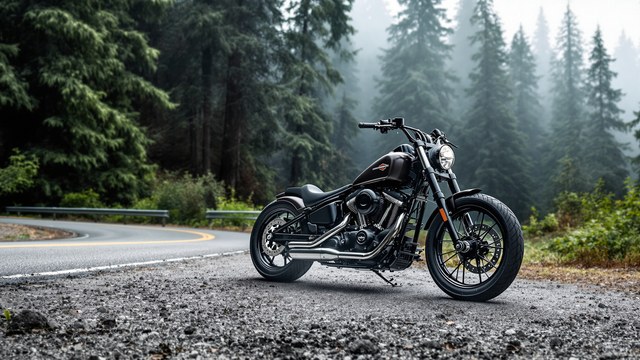
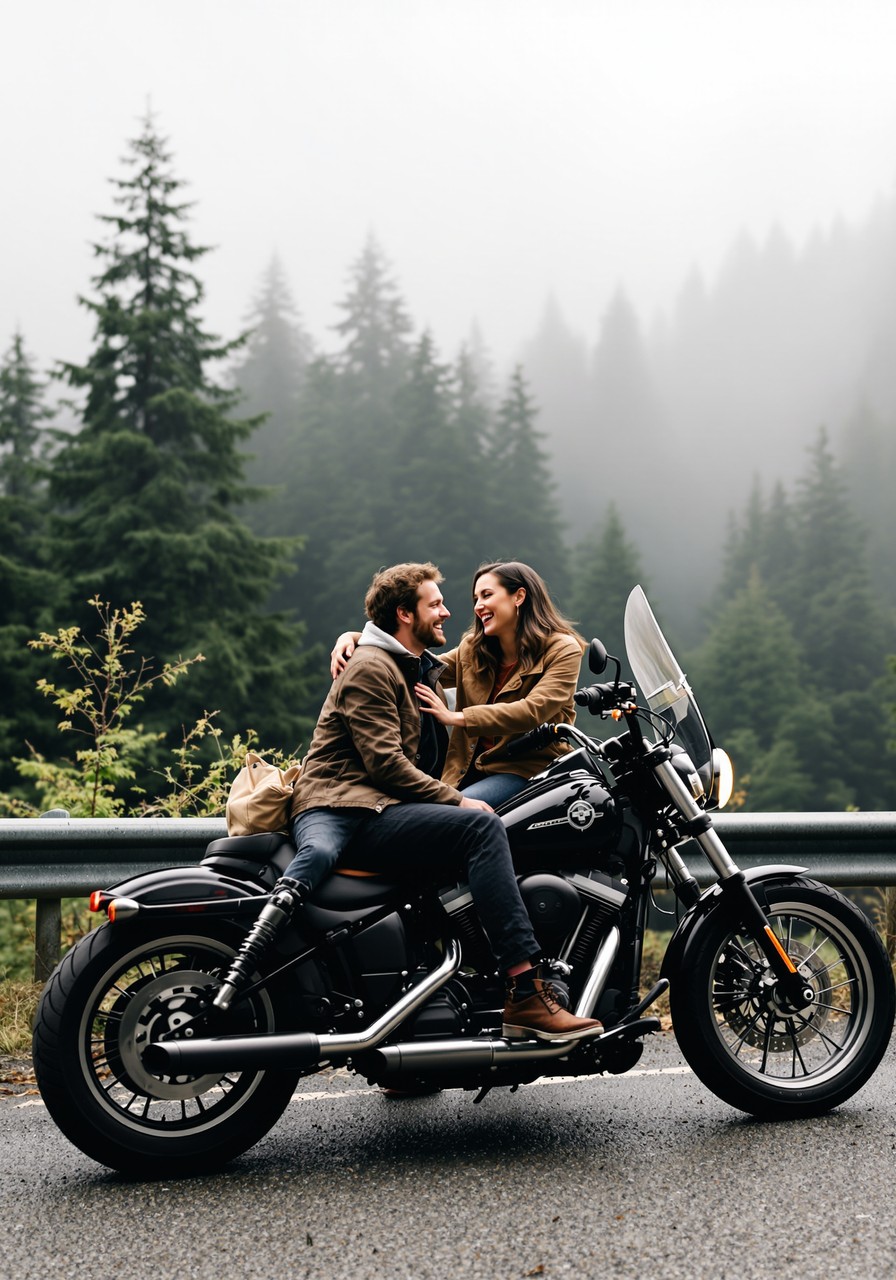
This or that: a foggy Chuckanut Drive coast run or a clear Chinook Pass day under Mount Rainier. Pick one and tell us why. #RideNationWA #ChuckanutDrive #MountRainier #SeattleRiders
Giveaway & Countdown
The BikersWin $20,000 motorcycle giveaway is officially rolling, Seattle. Every rider who talks to us about a crash gets entered for free. Call Washington Injury Law at (833) 388-2453 to ask how. #RideNationWA #BikersWin #20kGiveaway
Local WA & Rides
Snoqualmie Pass on I-90 is the first big run every spring. Watch the old Sunset Highway sections and wait until the chain-up signs come down for good. #RideNationWA #SnoqualmiePass #PNWMoto
Gear & New Iron
Washington helmet reality: DOT lids are the law here for every rider and every passenger, no exceptions. Check the sticker, and if it ever hit the ground, replace it. #RideNationWA #GearUp #ATGATT
Safety & WA Law
Washington is a pure comparative negligence state, riders. Even if you were partly at fault, your claim is not barred, it is only reduced by your share. Insurers still push blame onto you, so document the scene. Questions? Call Washington Injury Law at (833) 388-2453. #RideNationWA #RiderRights #WashingtonRiders
Engagement
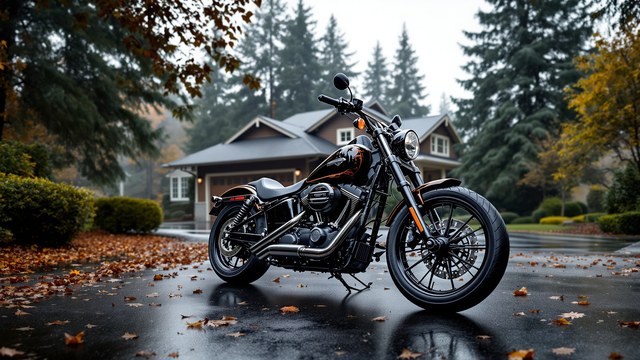
Caption this: your bike under a tarp, three straight weeks of Puget Sound rain in the forecast. Best line wins. #RideNationWA #PNWMoto #SeattleRiders
Giveaway & Countdown
Countdown is on, PNW. Twenty thousand reasons to tag a riding buddy and get them in on it. #RideNationWA #MotorcycleGiveaway #SeattleRiders
Local WA & Rides
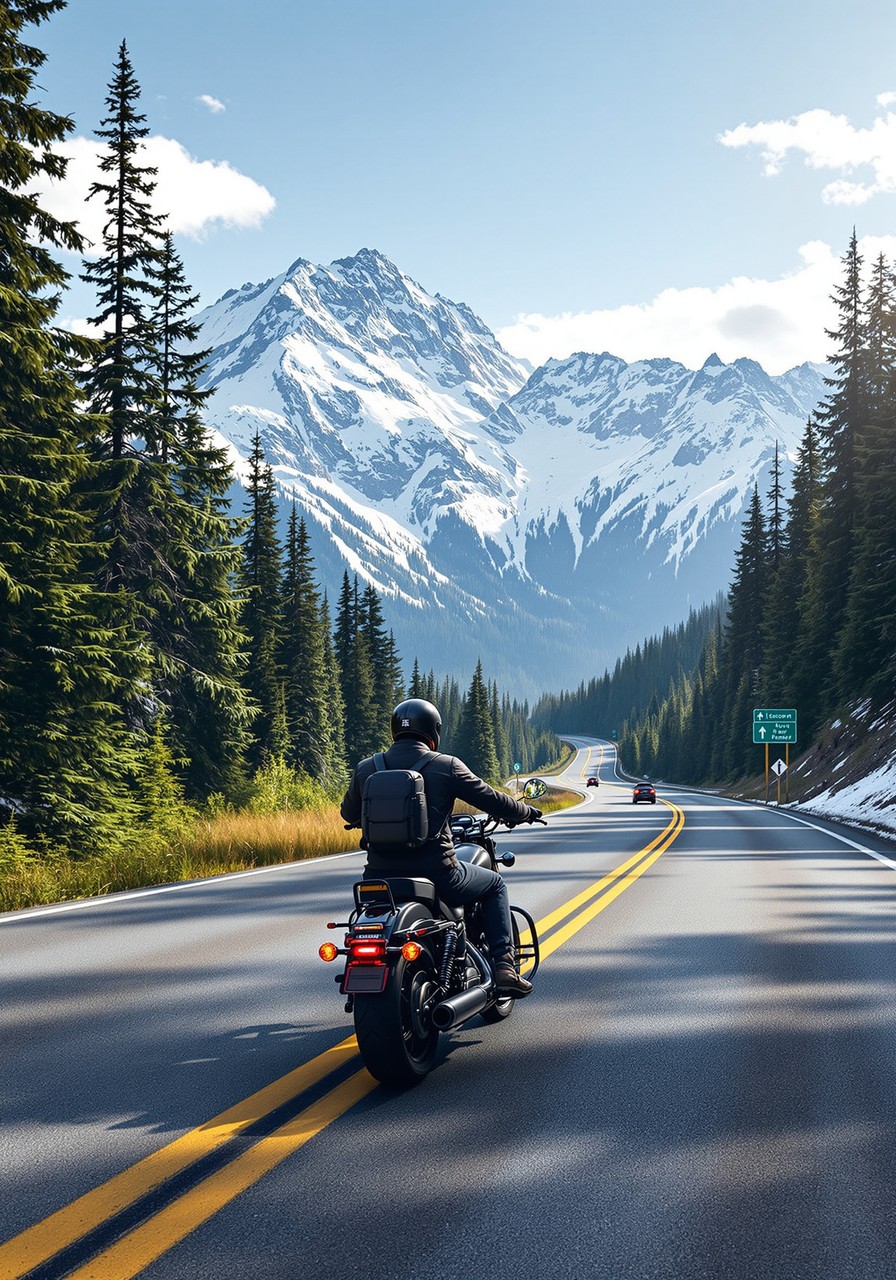
Chuckanut Drive on SR-11 with the Salish Sea off your shoulder and old madronas overhead. Put it near the top of the spring list. #RideNationWA #ChuckanutDrive #WashingtonRiders
Gear & New Iron
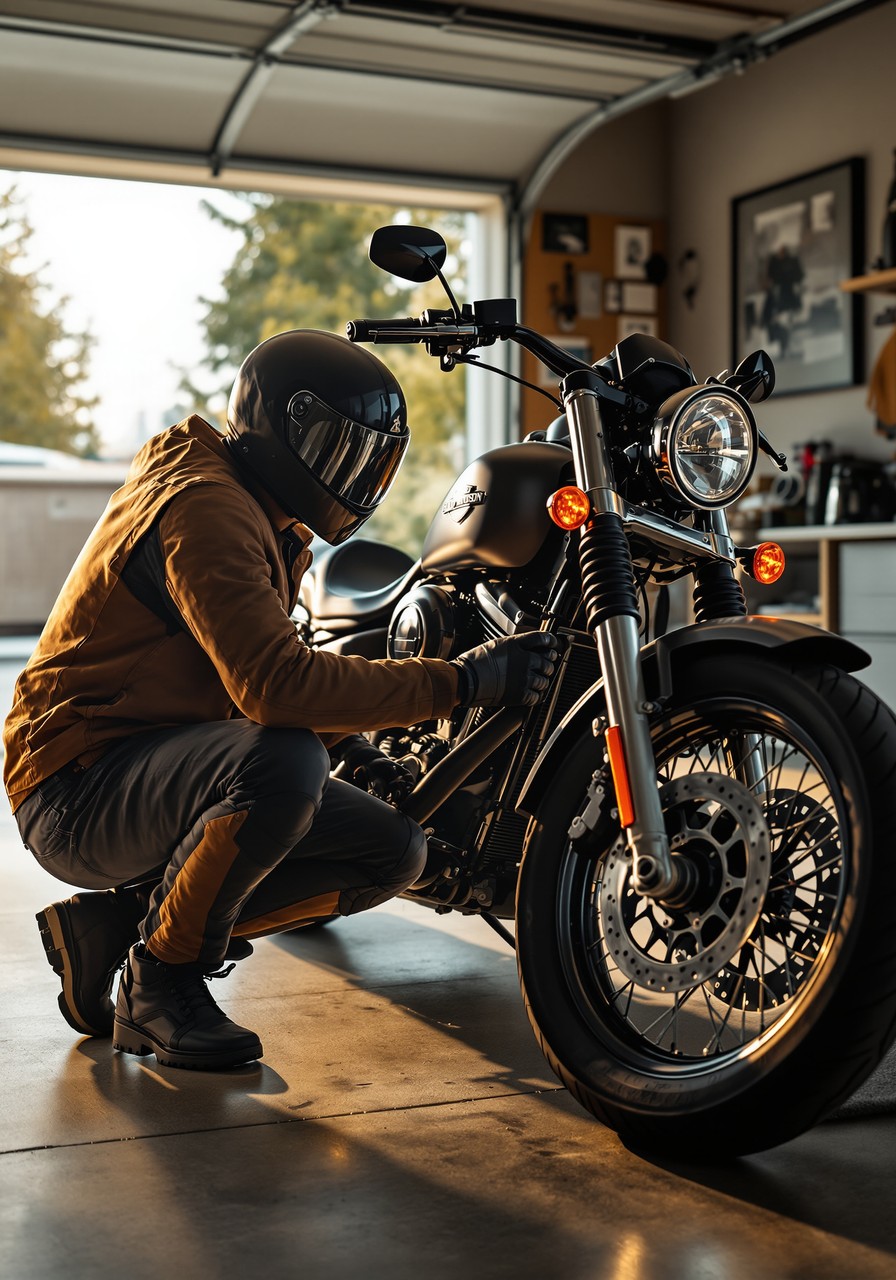
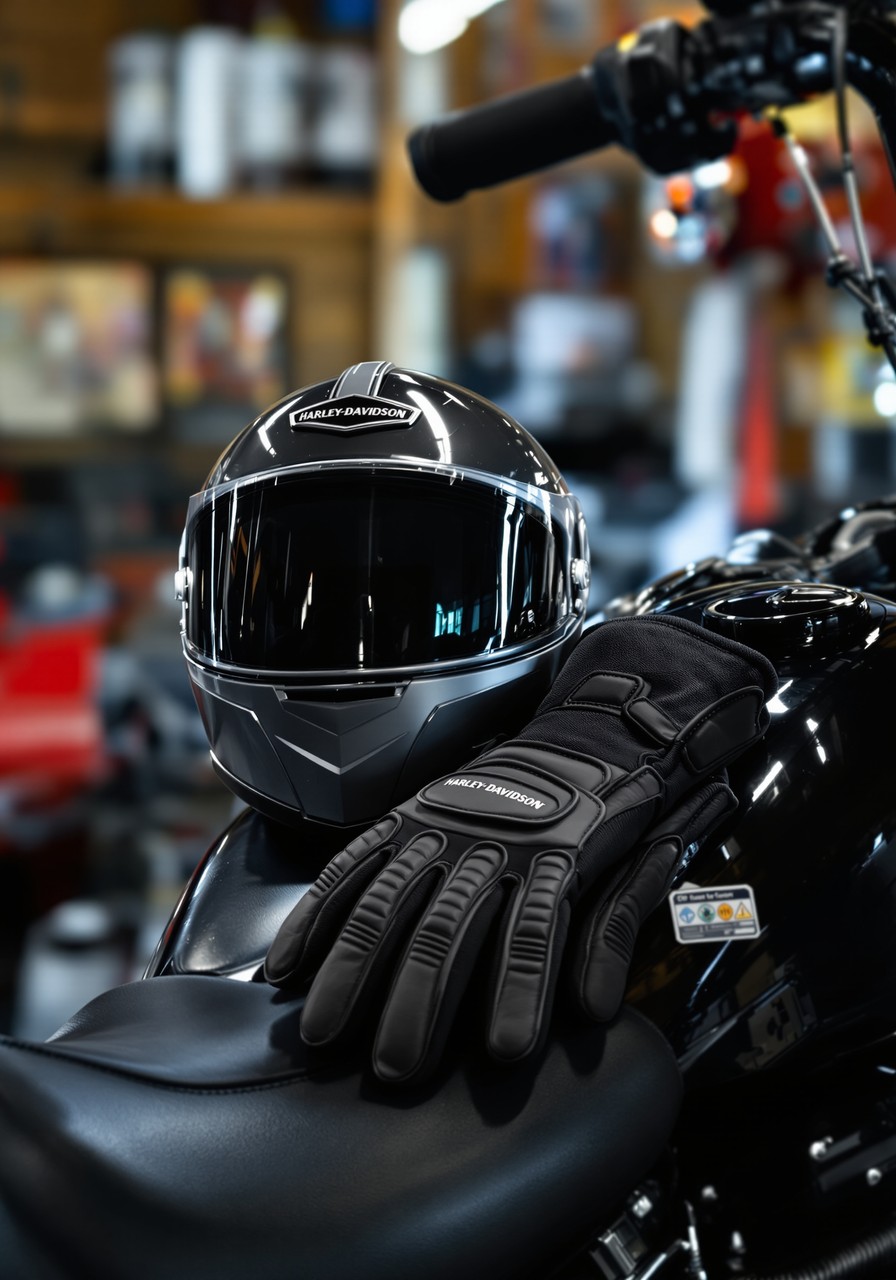
Dropped your helmet off the seat in the garage? Replace it. The foam crushes on impacts you cannot see, and a cracked liner will not protect you next time. #RideNationWA #GearUp #RiderTips
Safety & WA Law
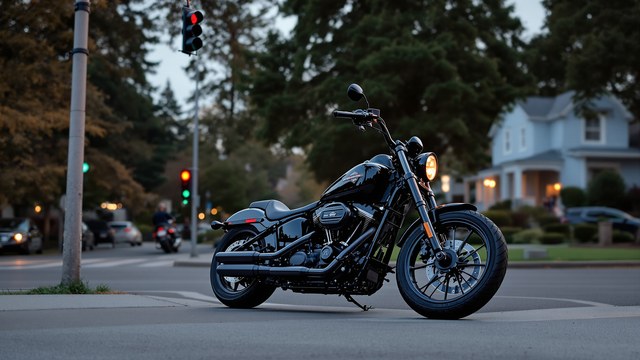
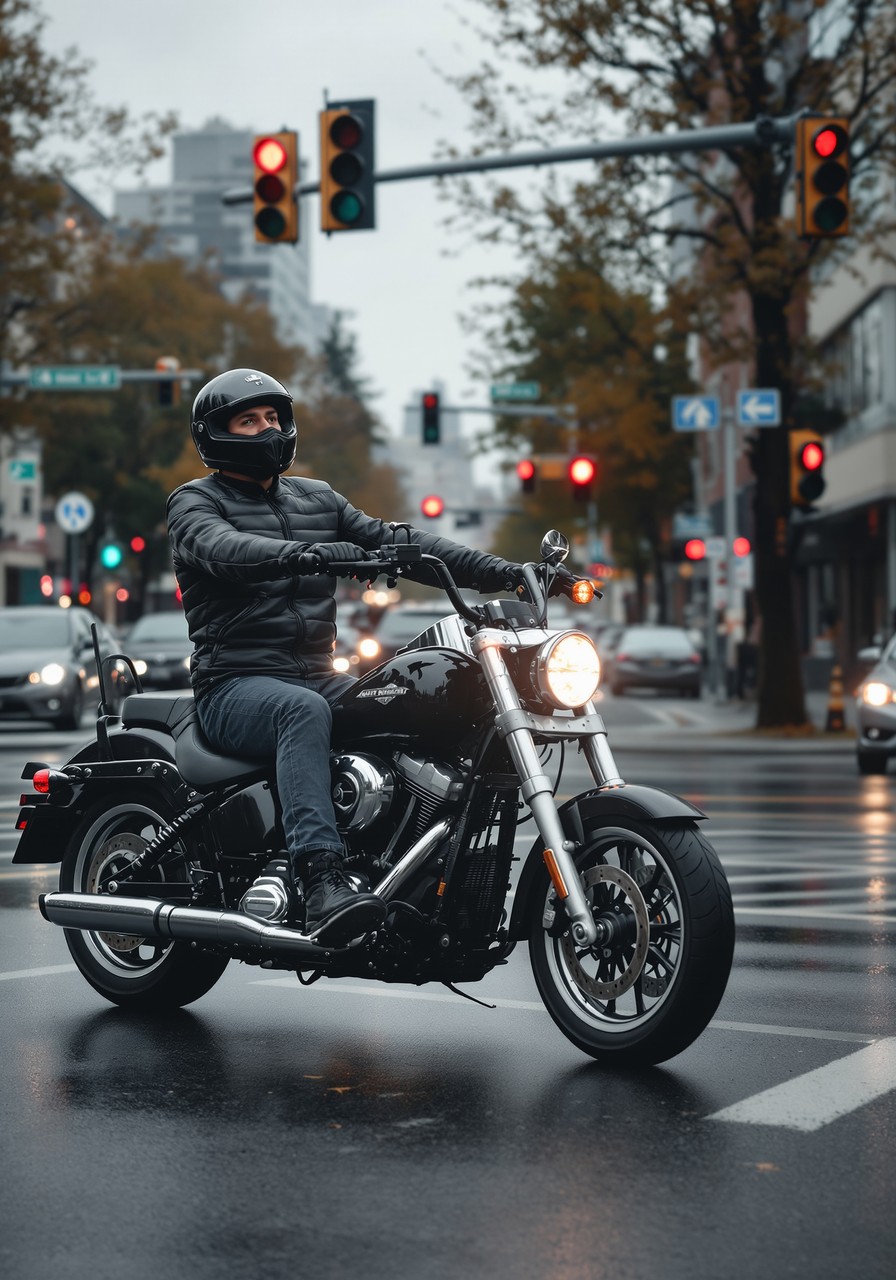
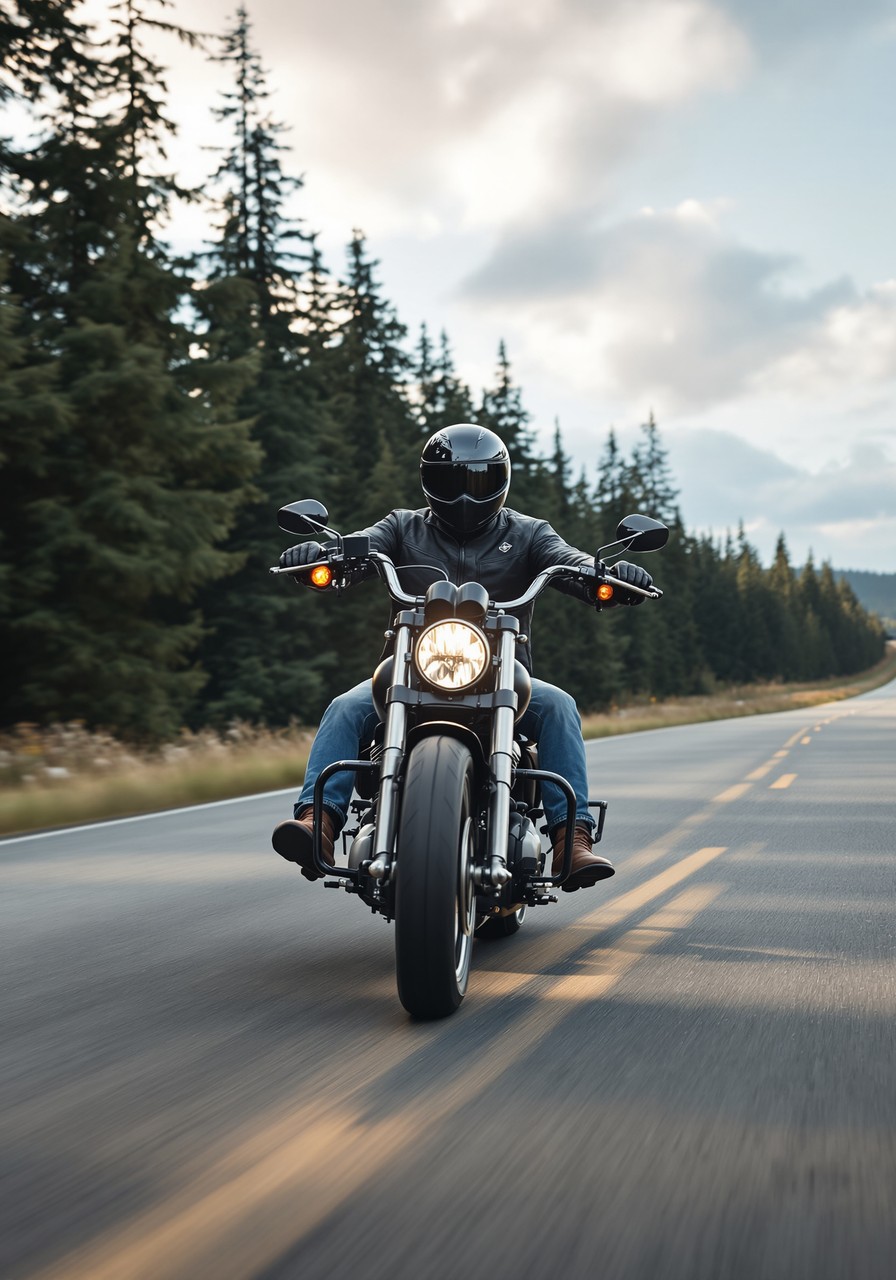
Left-turning drivers are the top threat at Seattle intersections. Cover your brakes, slow down, and assume they do not see you until they prove otherwise. #RideNationWA #MotorcycleSafety #SeattleRiders
Engagement
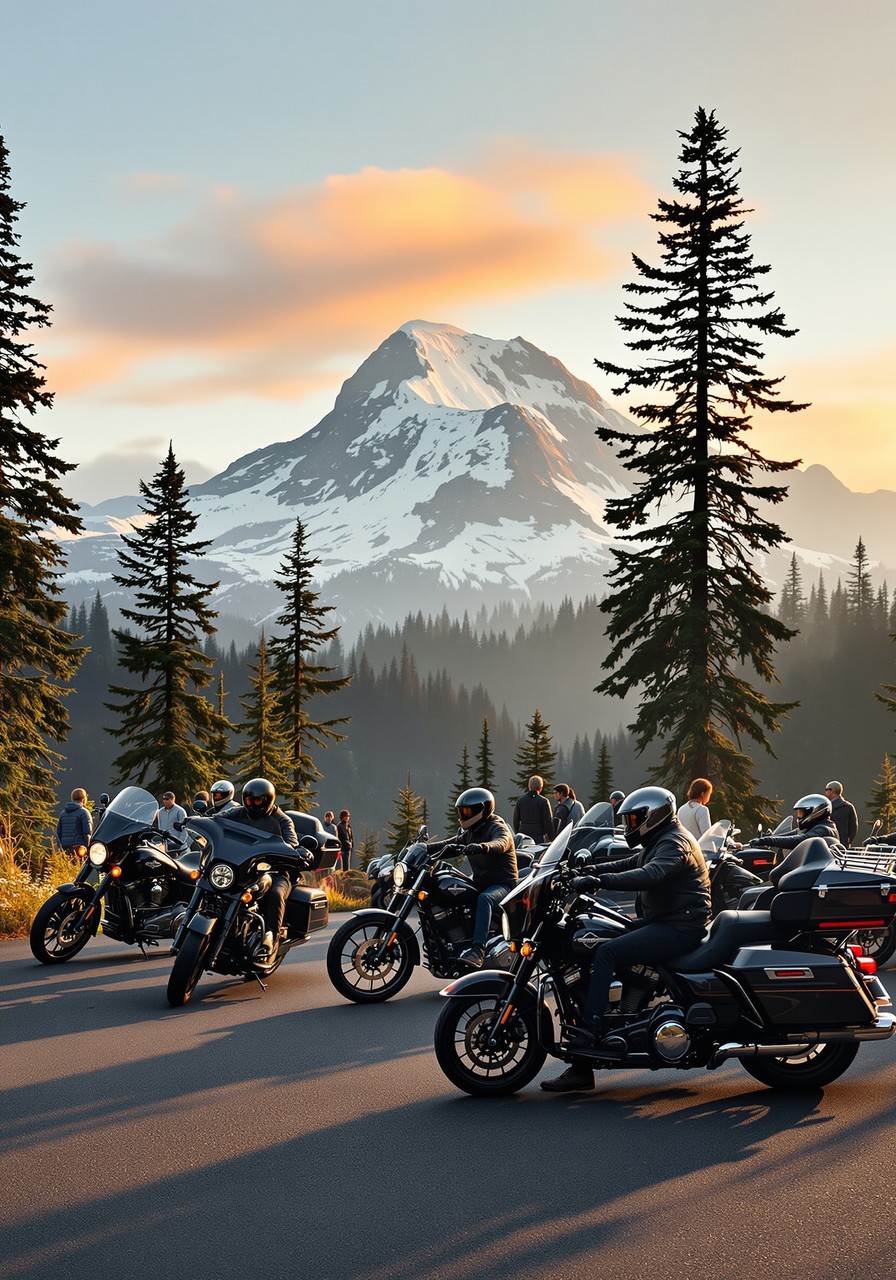
Poll: December in Washington means garage wrenching, gear shopping, or actually riding the dry days. Which one is you right now? #RideNationWA #WashingtonRiders #TwoWheels
Giveaway & Countdown
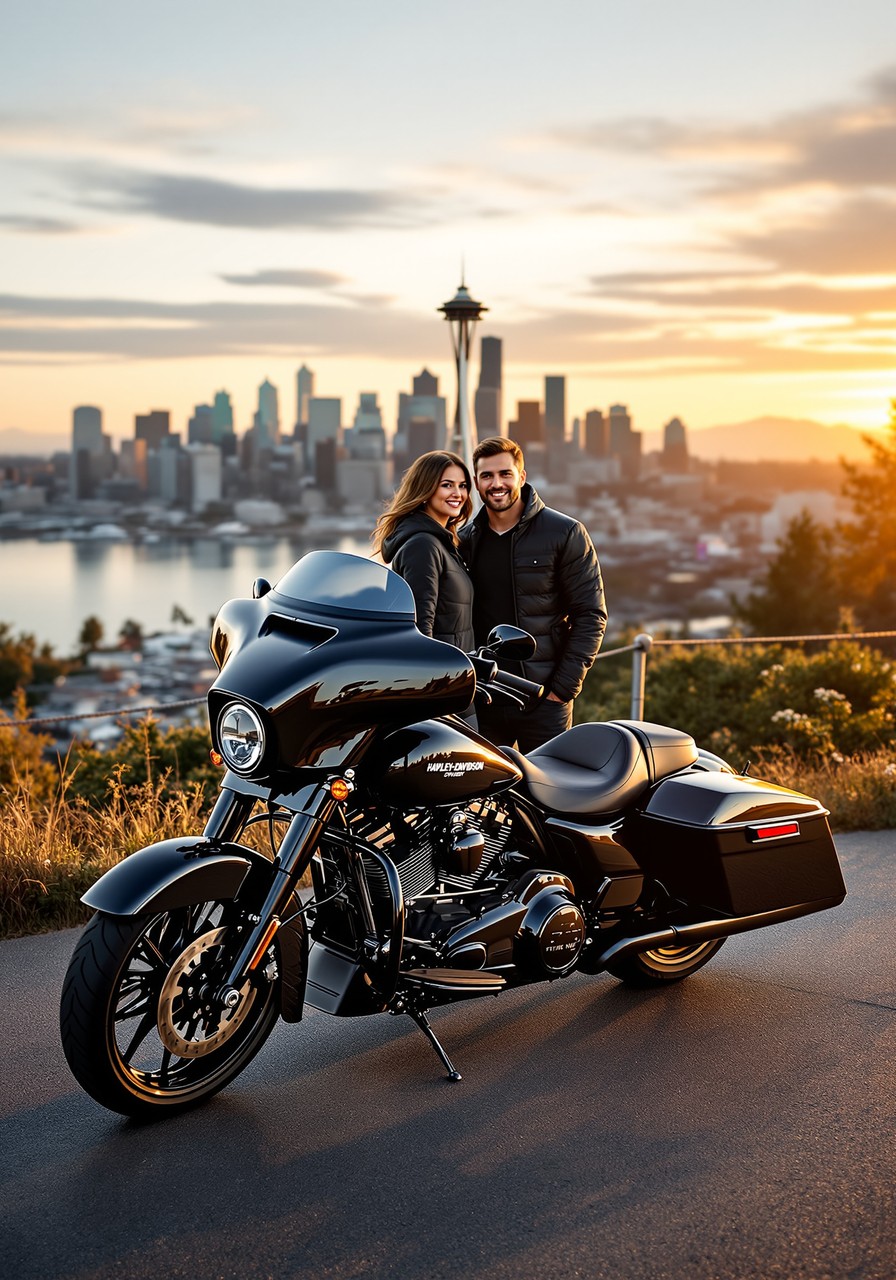
Down here in the Sea-Tac corridor, one conversation can enter you in the BikersWin $20,000 giveaway. A free case review is your ticket. Dial (833) 388-2453 and ask us how. #RideNationWA #BikersWin #WashingtonRiders
Local WA & Rides
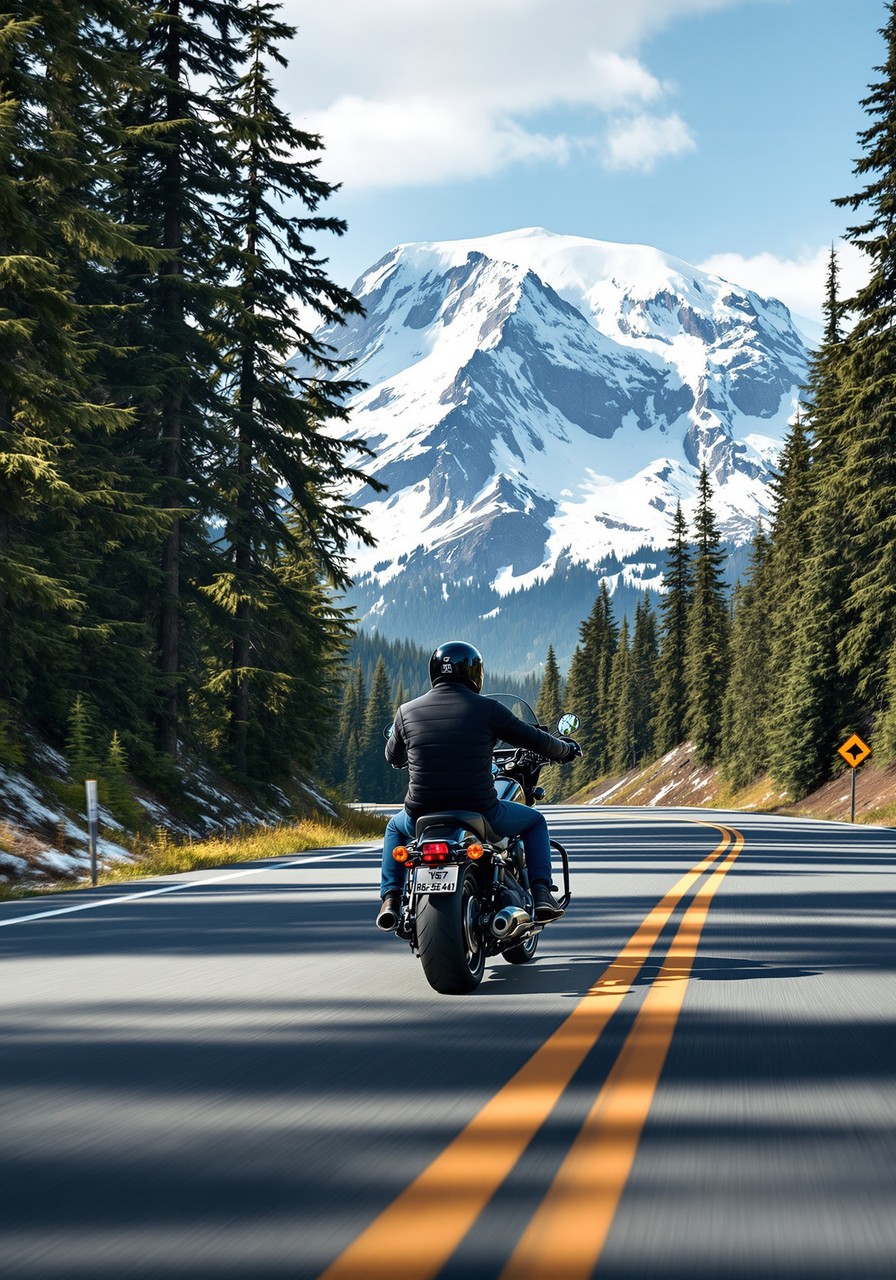
Stevens Pass on US-2 is a gift on a rare dry winter day, but check the pass report first. Snow up top comes fast this time of year. #RideNationWA #WashingtonRiders #MotorcycleRoads
Gear & New Iron
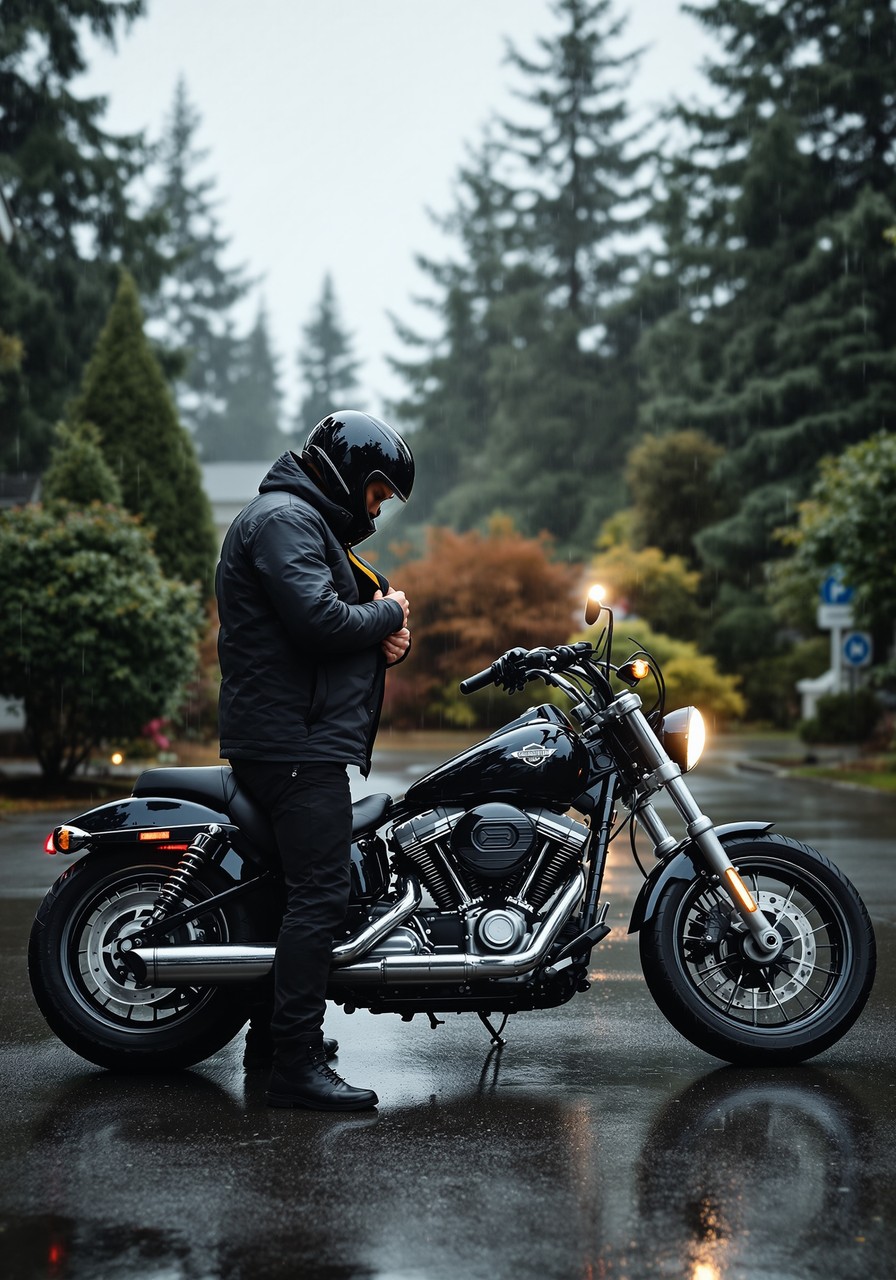
Helmet math nobody likes: five years from the manufacture date, it is done. The liner breaks down whether you crashed or not. Check the date sticker inside. #RideNationWA #GearUp #ATGATT
Safety & WA Law
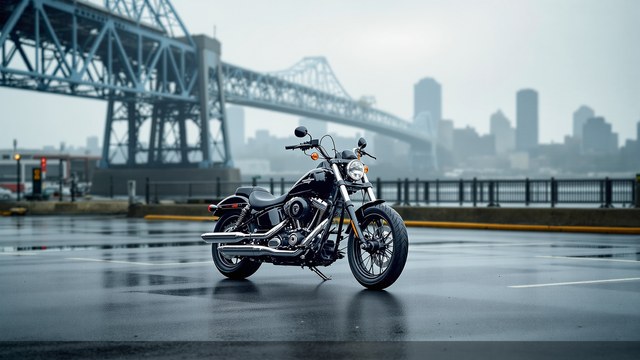
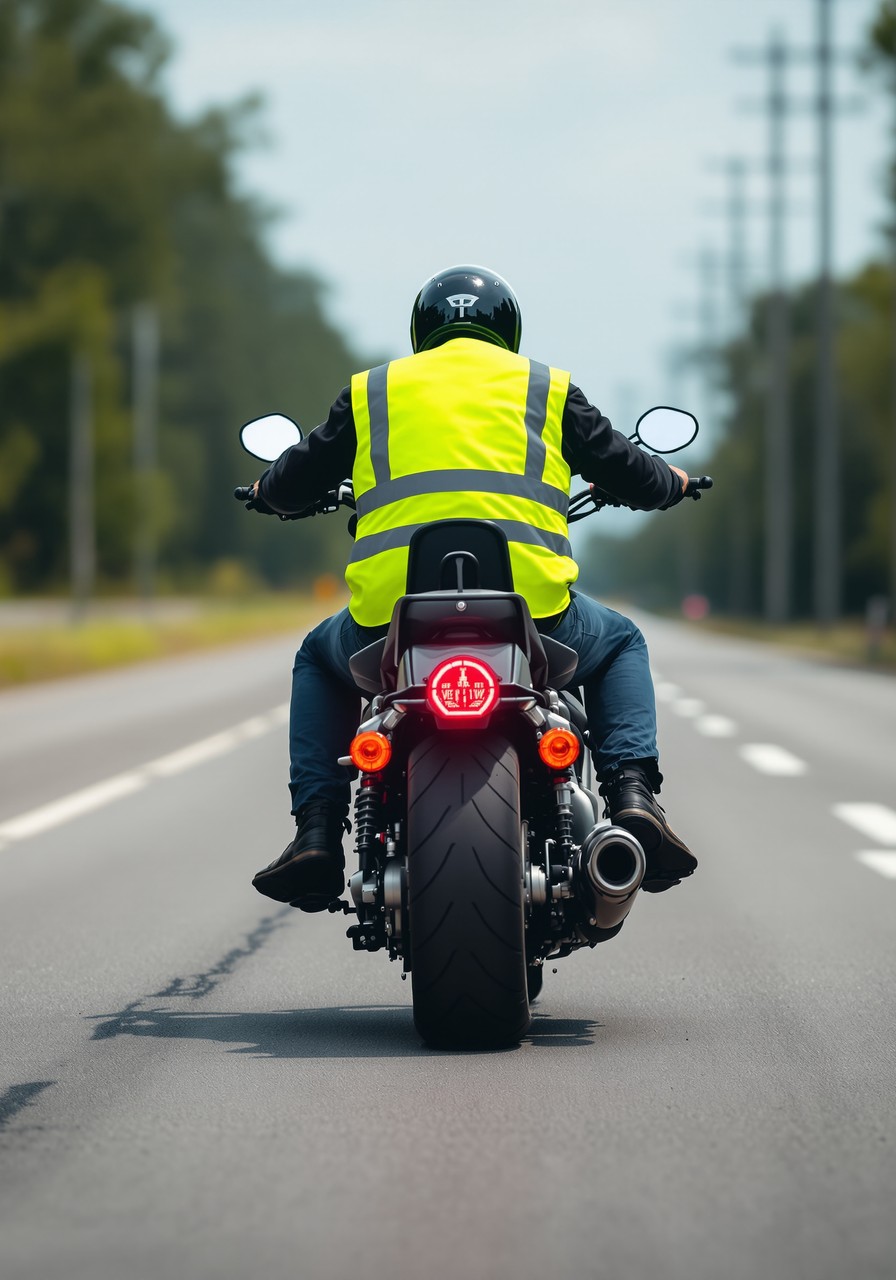
That grated bridge deck gets glassy when it rains, and around here it rains a lot. Relax on the bars, stay smooth, and let the bike track across. #RideNationWA #PNWMoto #MotorcycleSafety
Engagement
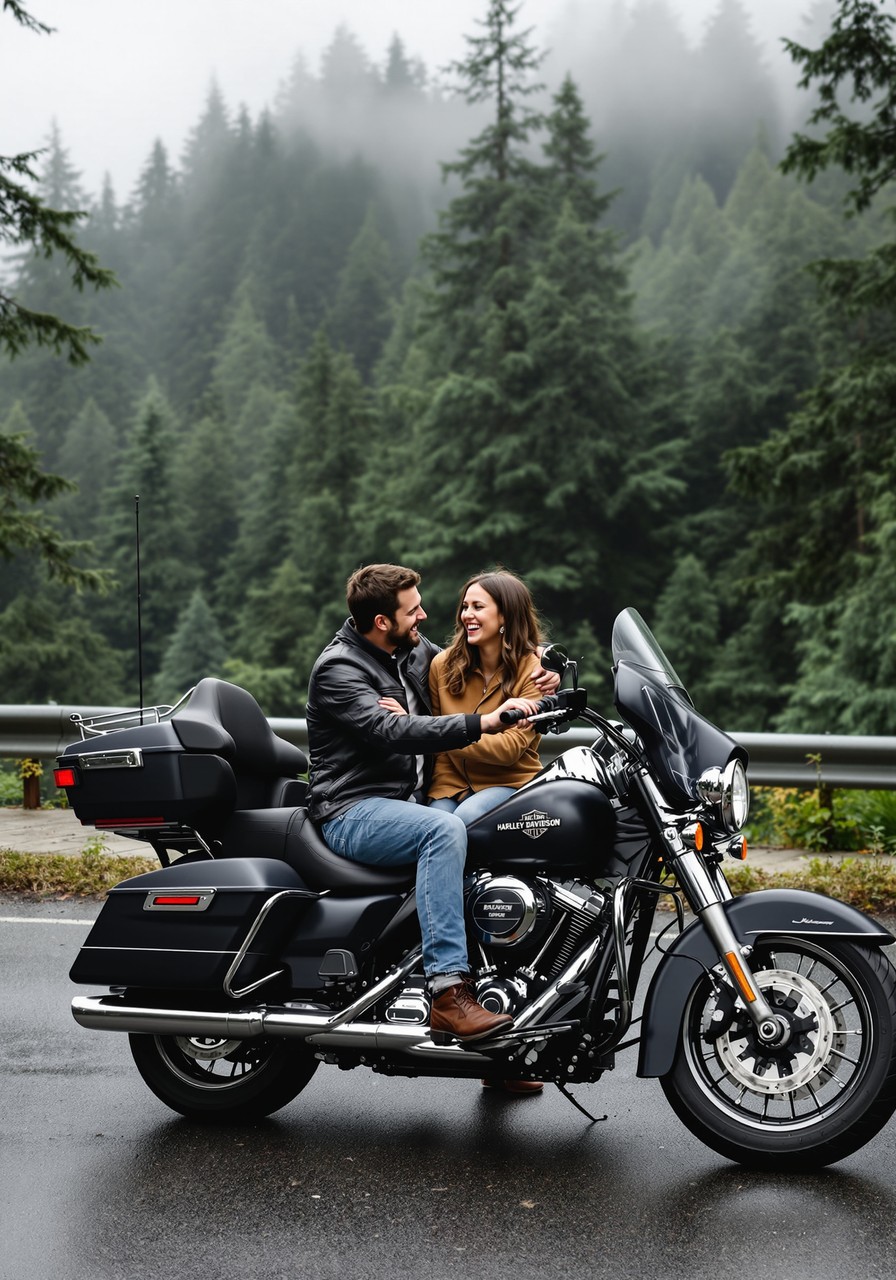
Tag your ride-or-die, the one who texts you the second the rain lets up. We will wait. #RideNationWA #RideOrDie #PNWMoto
Giveaway & Countdown
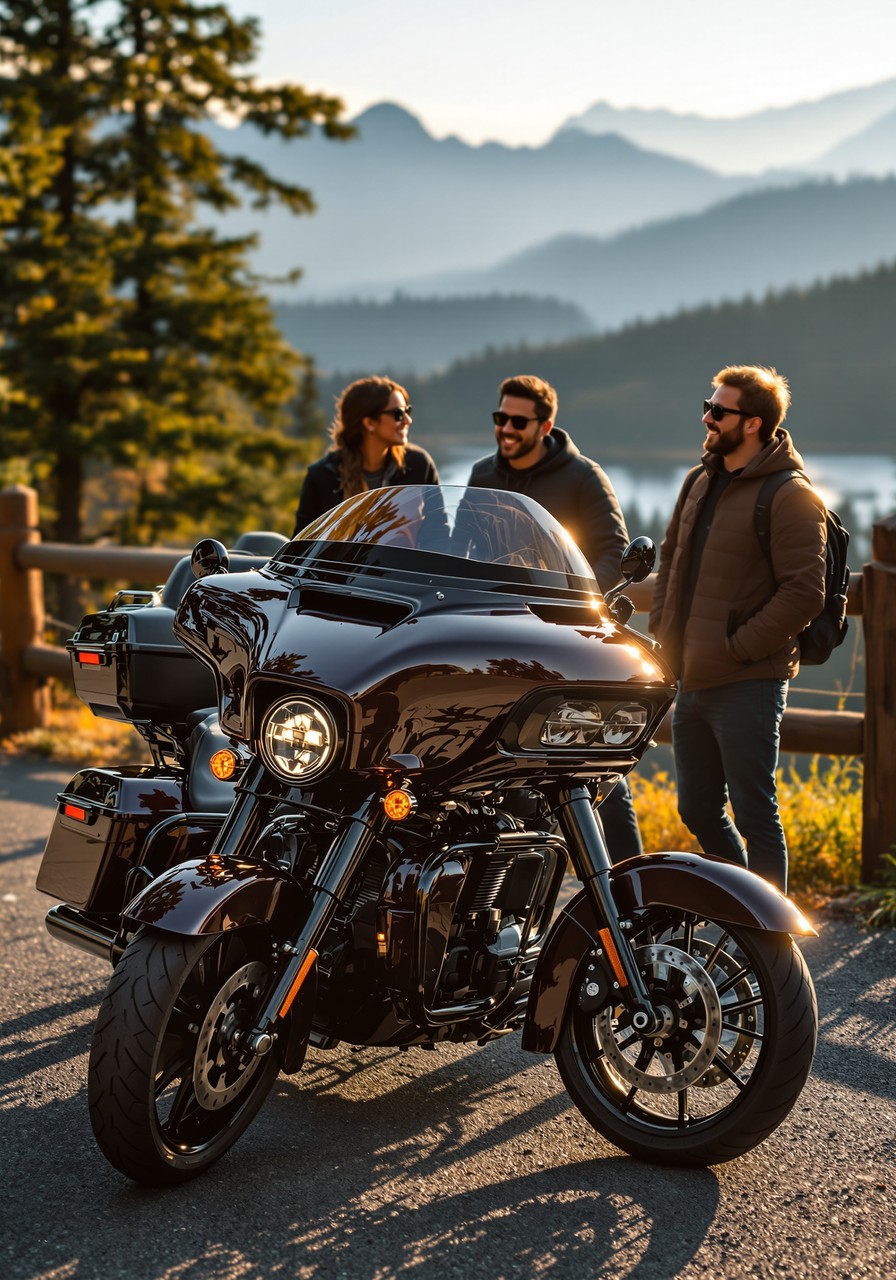
Big things ahead for Ride Nation Seattle. The $20,000 bike giveaway clock is ticking, so stay locked in. #RideNationWA #20kGiveaway #PNWMoto
Local WA & Rides
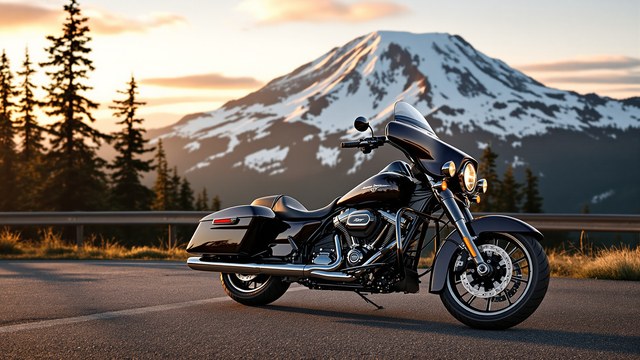
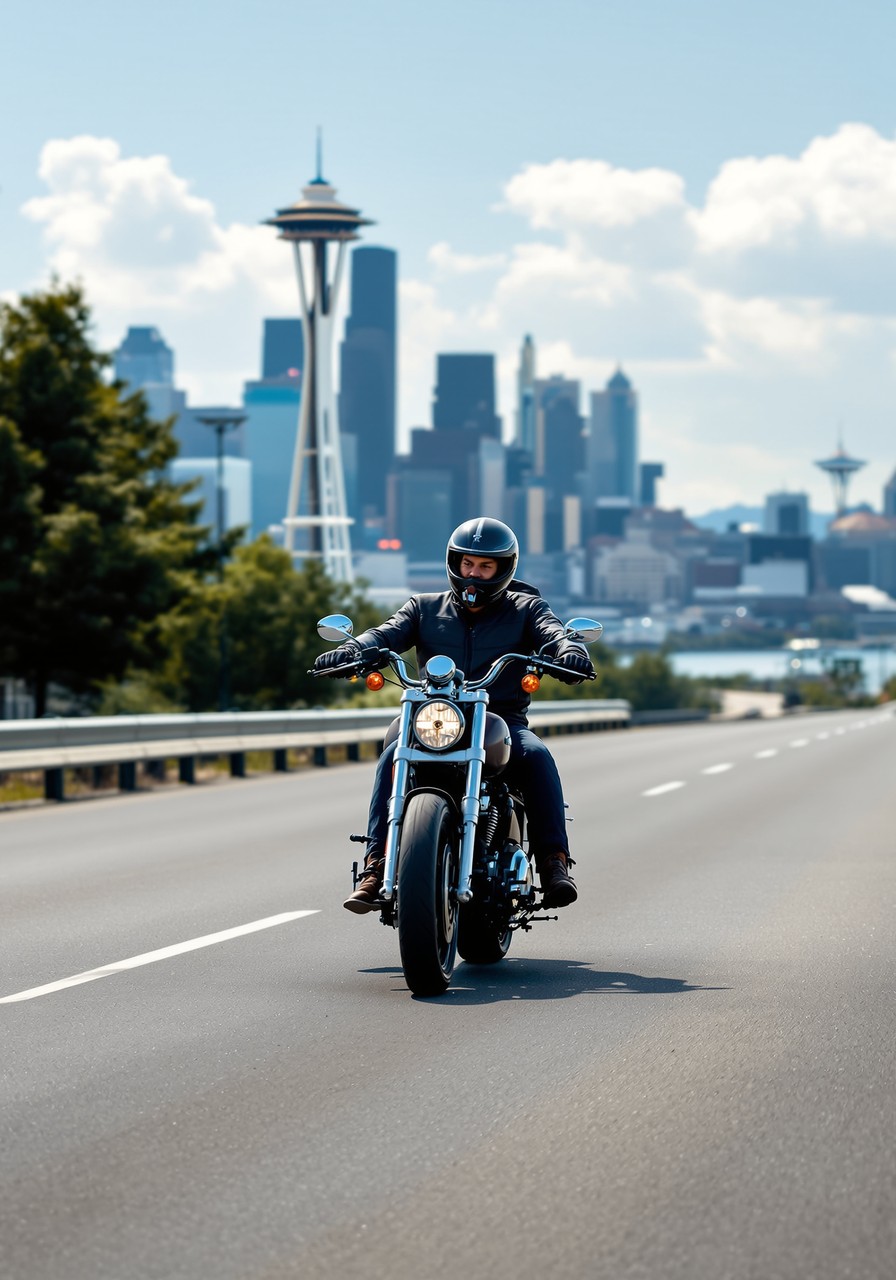
Chinook Pass on SR-410 wraps you right around Mount Rainier once it reopens. It gates shut for winter, so this one is a spring and summer treat. #RideNationWA #MountRainier #PNWMoto
Gear & New Iron
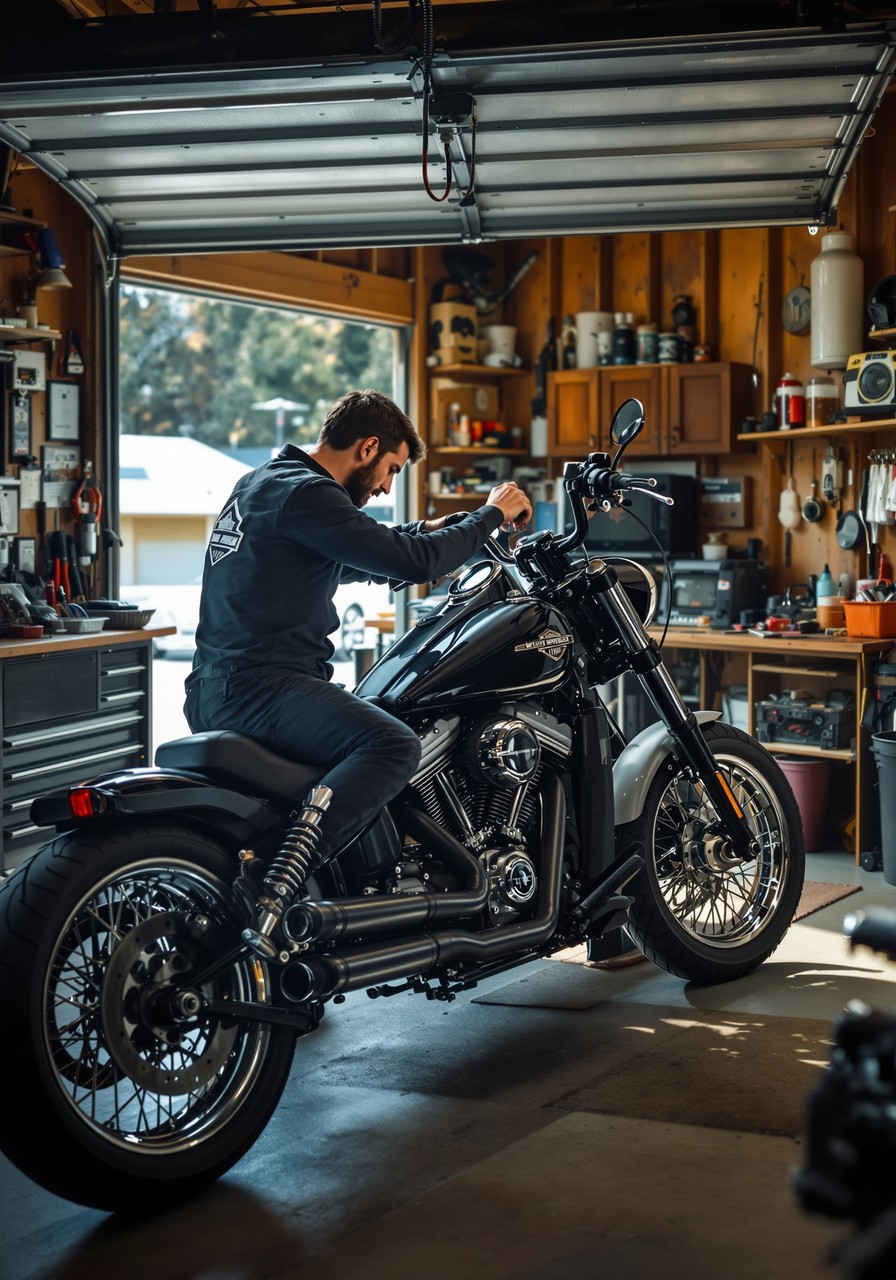
ATGATT is not overkill in the PNW. It is a normal Tuesday. Gear up every ride, even the short damp one to the coffee shop. #RideNationWA #ATGATT #SeattleRiders
Safety & WA Law
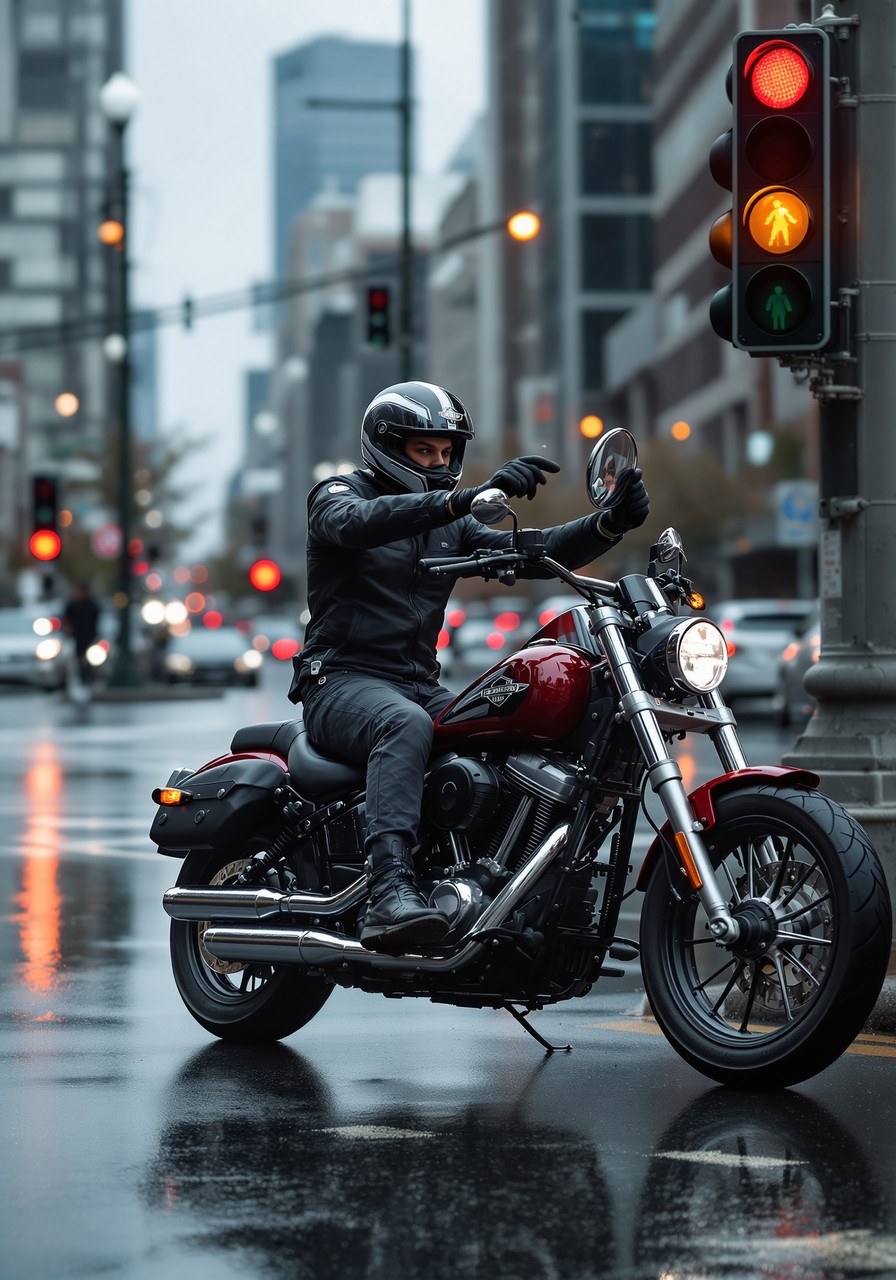
Heads up: Washington gives you 3 years to file a personal injury claim after a crash. That sounds like plenty until evidence fades and memories blur. Get advice early. Call Washington Injury Law at (833) 388-2453. #RideNationWA #KnowYourRights #WashingtonRiders
Engagement
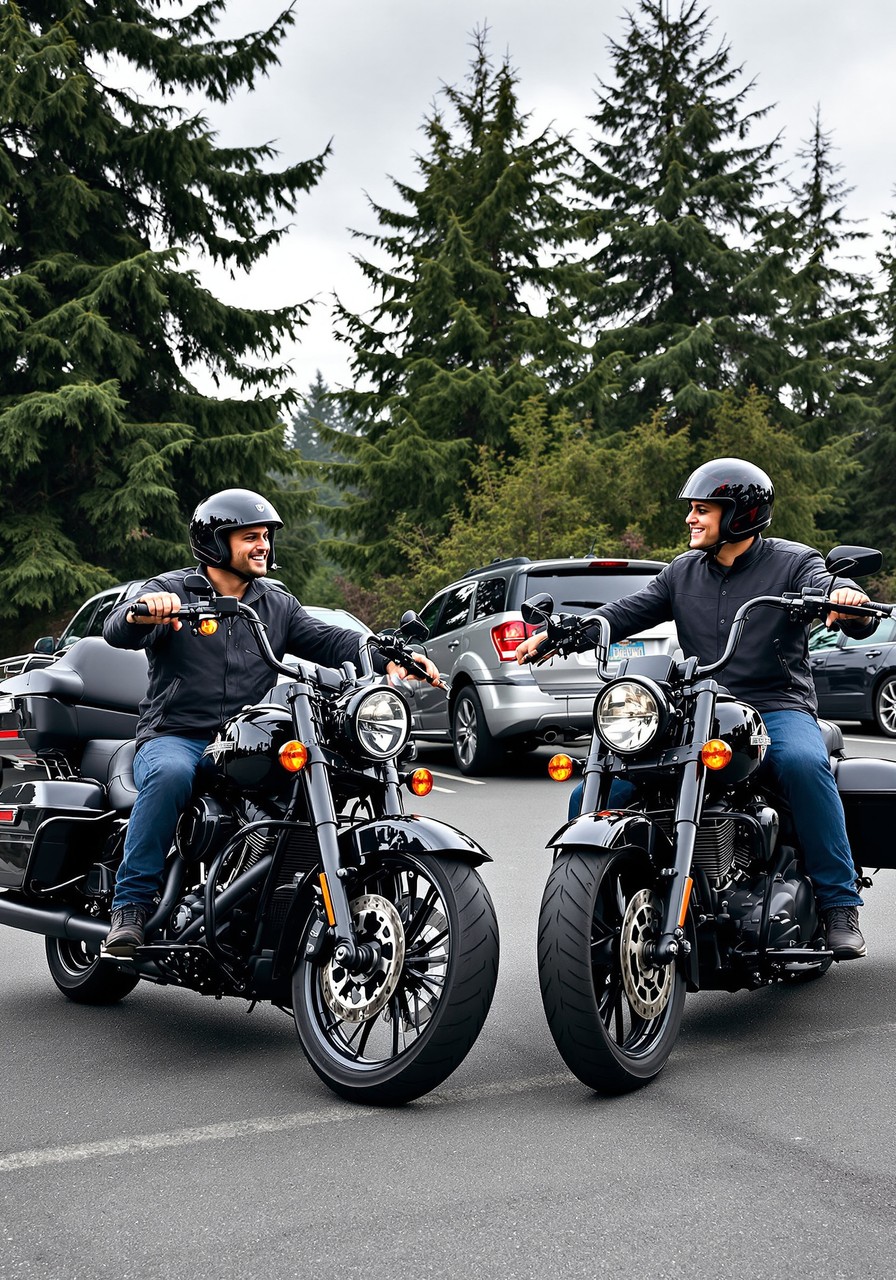
Fill in the blank: winter riding in the PNW is not cold, it is just ______. Give us your answer. #RideNationWA #WashingtonRiders #PacificNorthwest
Giveaway & Countdown
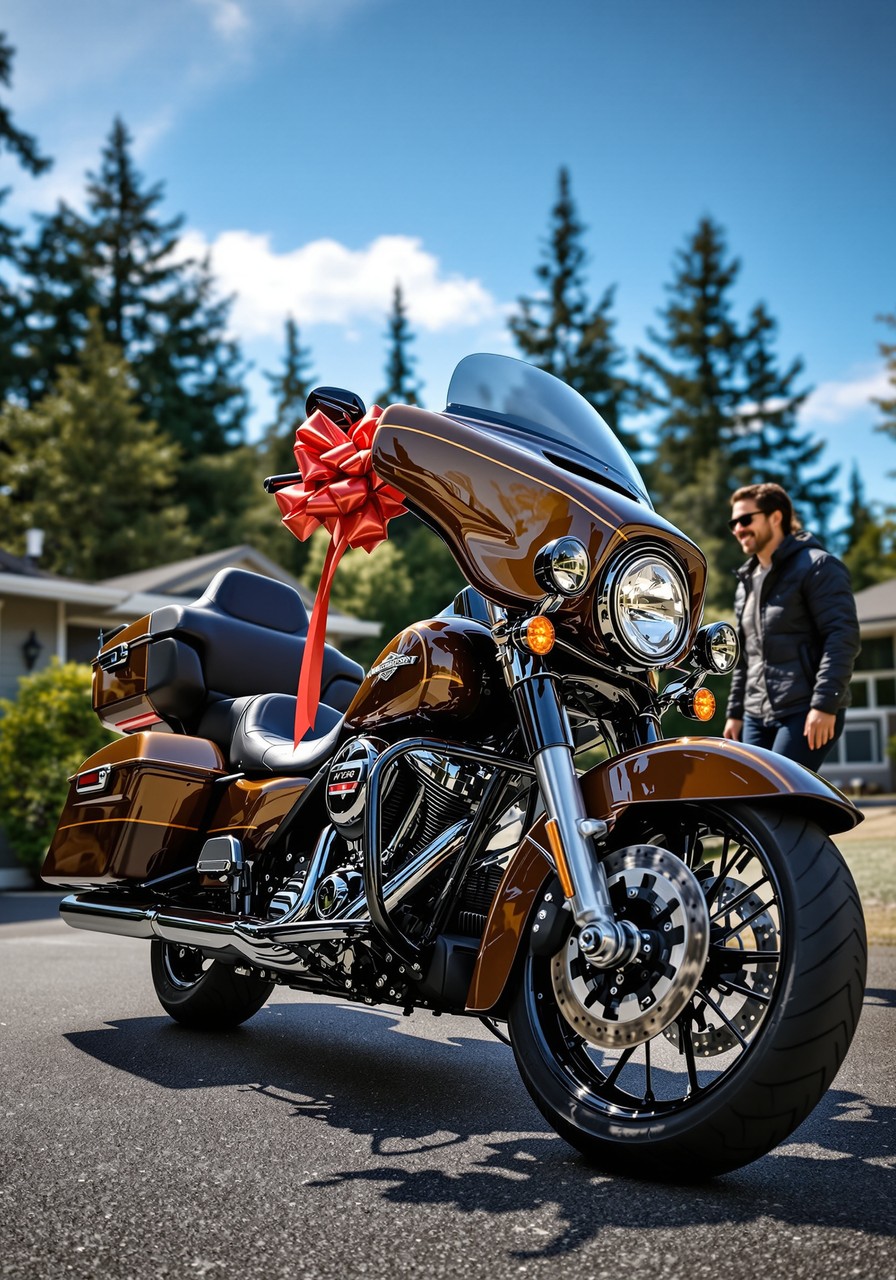
Been in a wreck this year? Talking to us about your claim gets you entered in the BikersWin giveaway, no cost to you. Call (833) 388-2453 today. #RideNationWA #MotorcycleGiveaway #SeattleRiders
Local WA & Rides
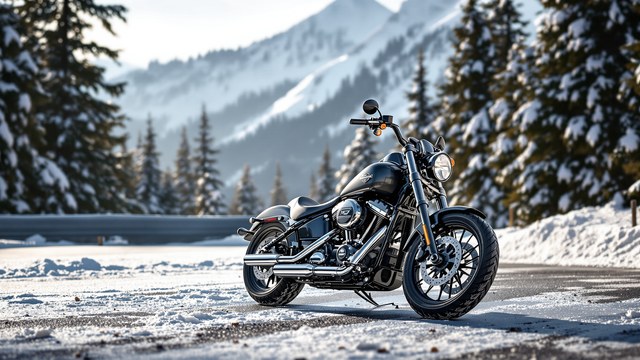
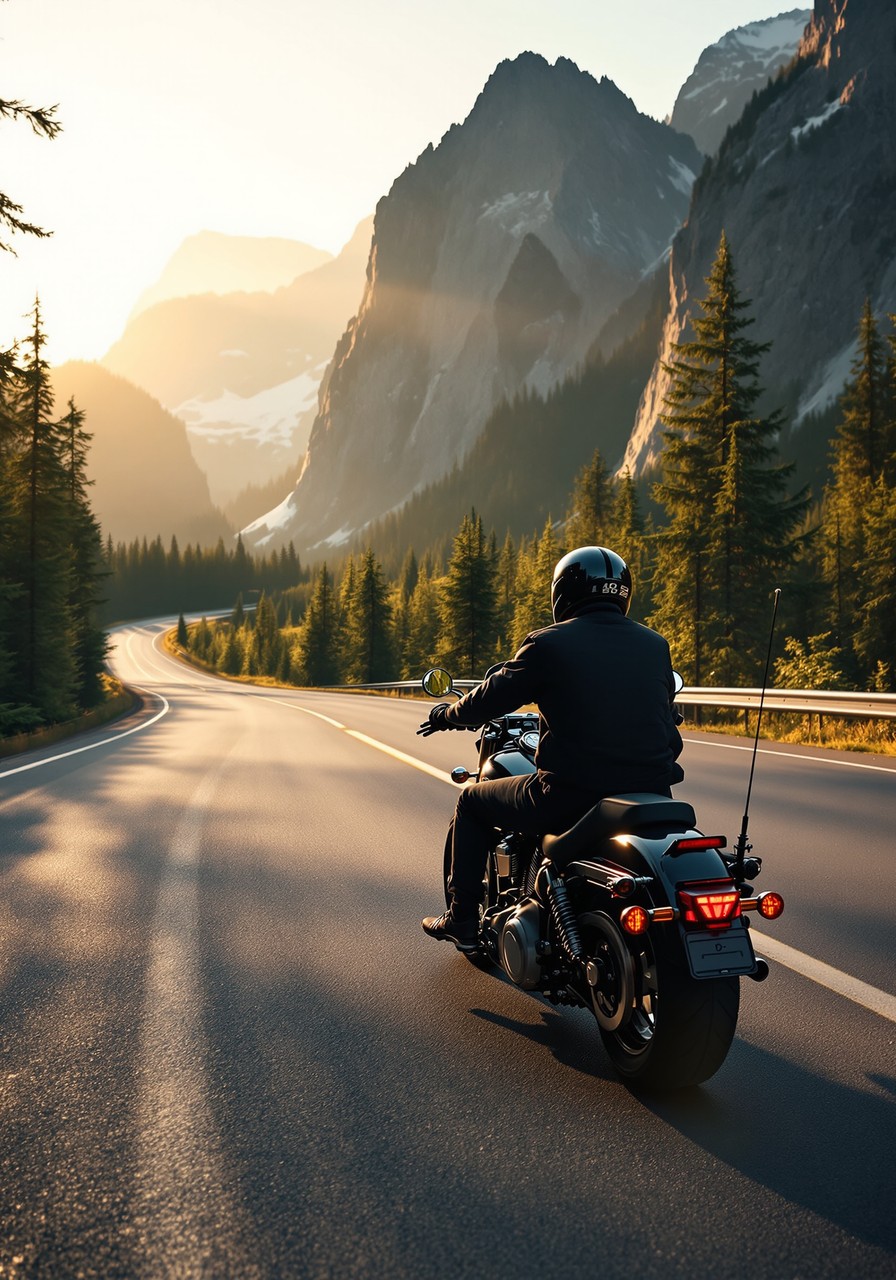
The North Cascades Highway on SR-20 is closed for the season once the snow stacks up. Mark your calendar for the spring reopening and ride it clean. #RideNationWA #MotorcycleRoads #WashingtonRiders
Gear & New Iron
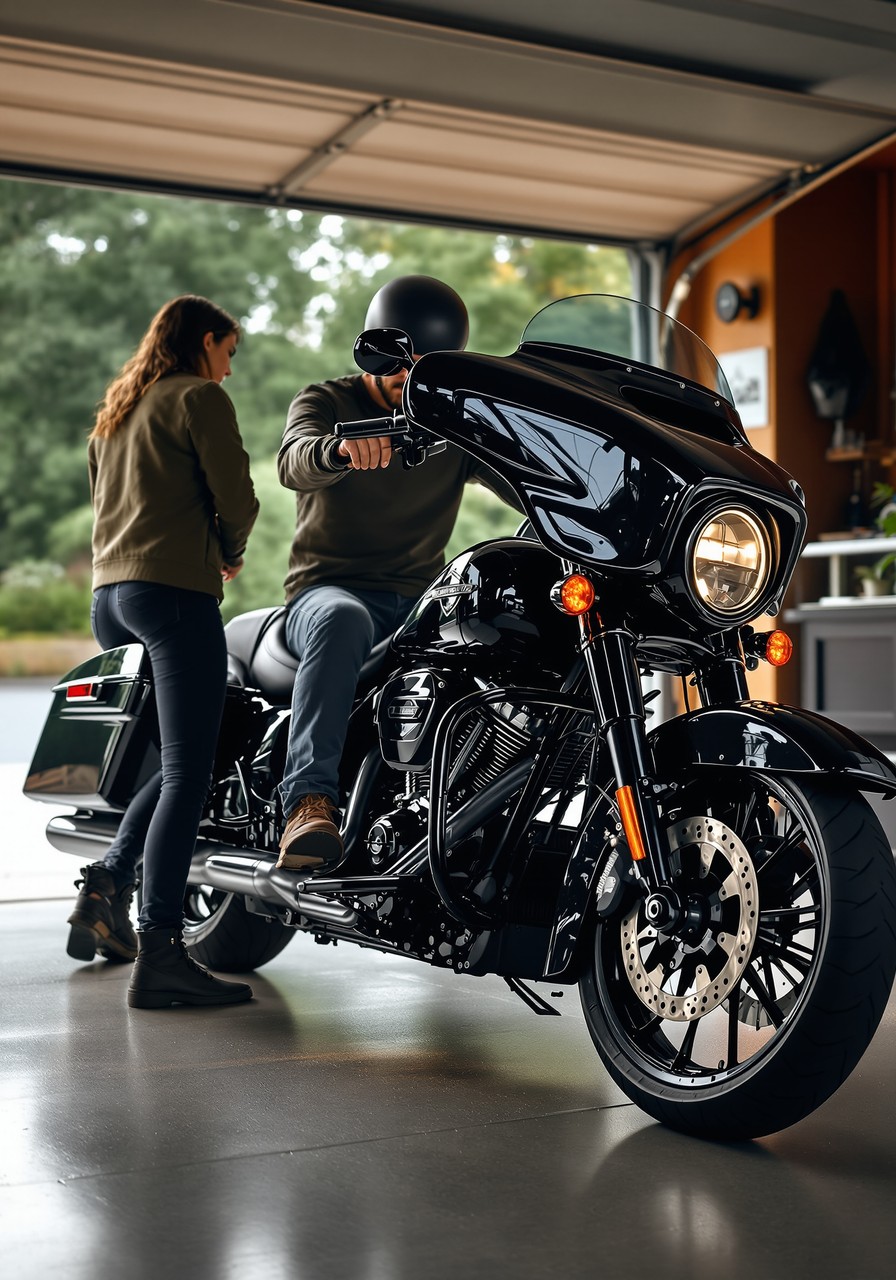
CE-rated armor is the difference between a bruise and a hospital stay. Check that your jacket actually has back and shoulder inserts, not just empty pockets. #RideNationWA #GearUp #ATGATT
Safety & WA Law
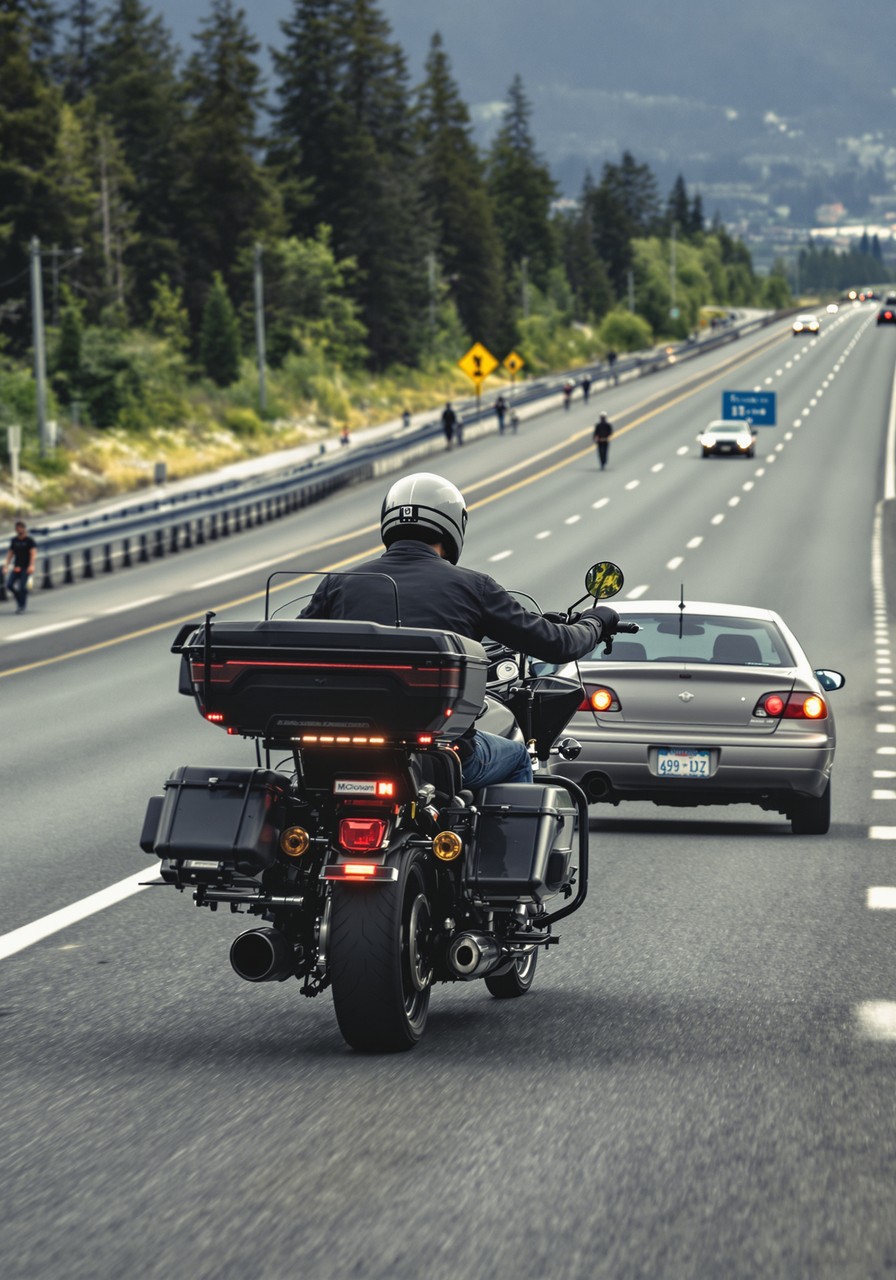
Washington requires every rider and passenger to wear a DOT helmet, no exceptions. It is the law and it is the difference maker. Gear up every ride. #RideNationWA #ATGATT #MotorcycleSafety
Engagement
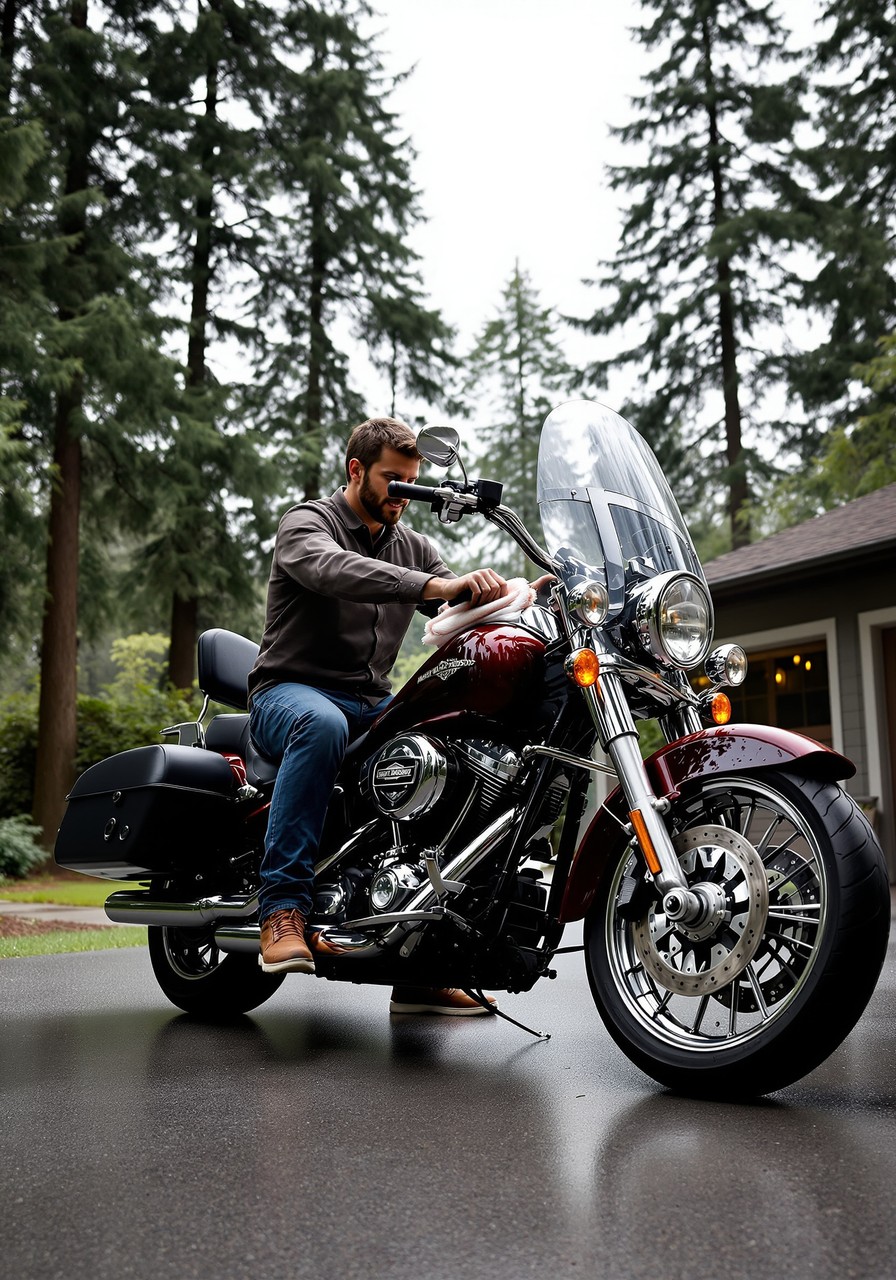
Favorite winter coffee stop before a cold ride? Drop the shop and the town so we can all find it. #RideNationWA #SeattleRiders #TwoWheels
Giveaway & Countdown
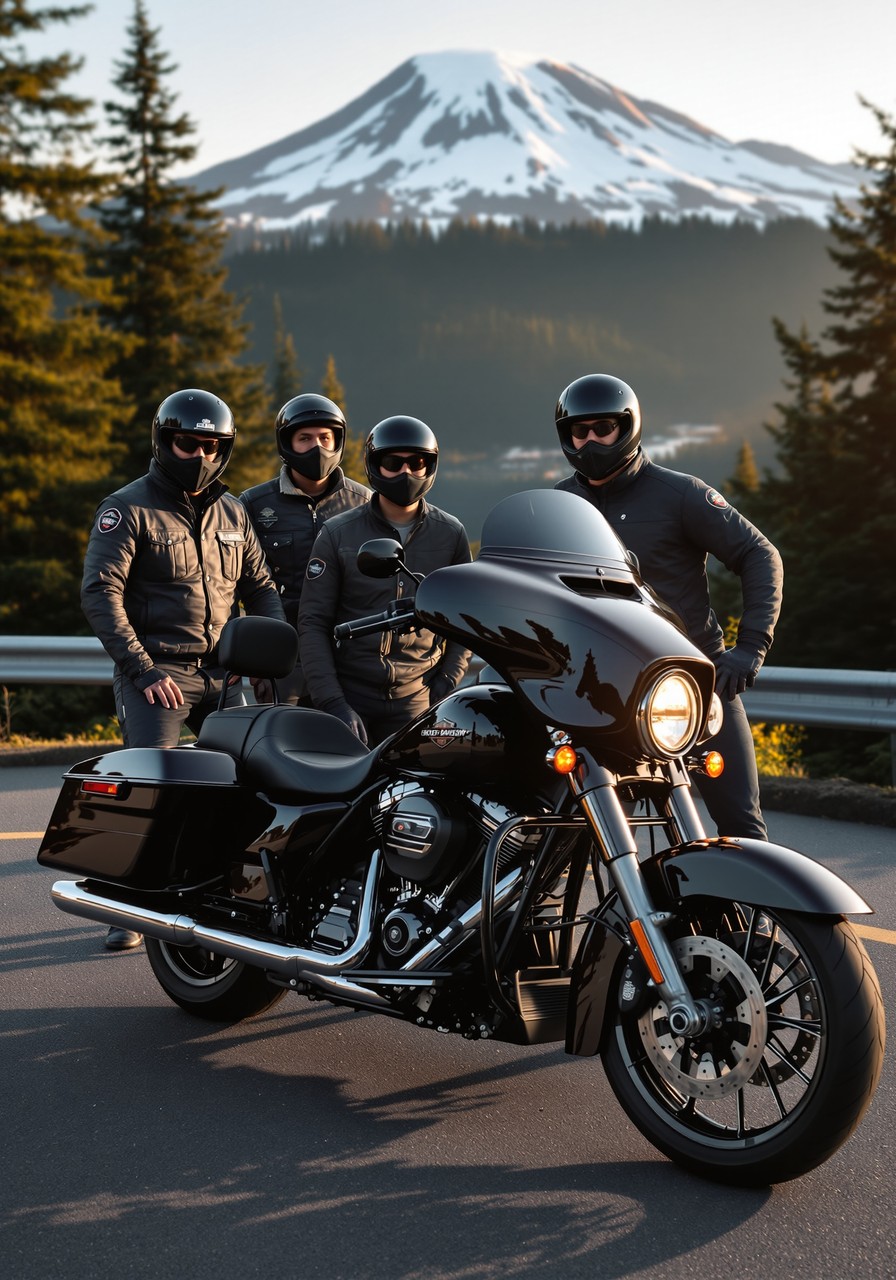
Twenty grand. One lucky rider. The BikersWin countdown just got real. #RideNationWA #BikersWin #20kGiveaway
Local WA & Rides
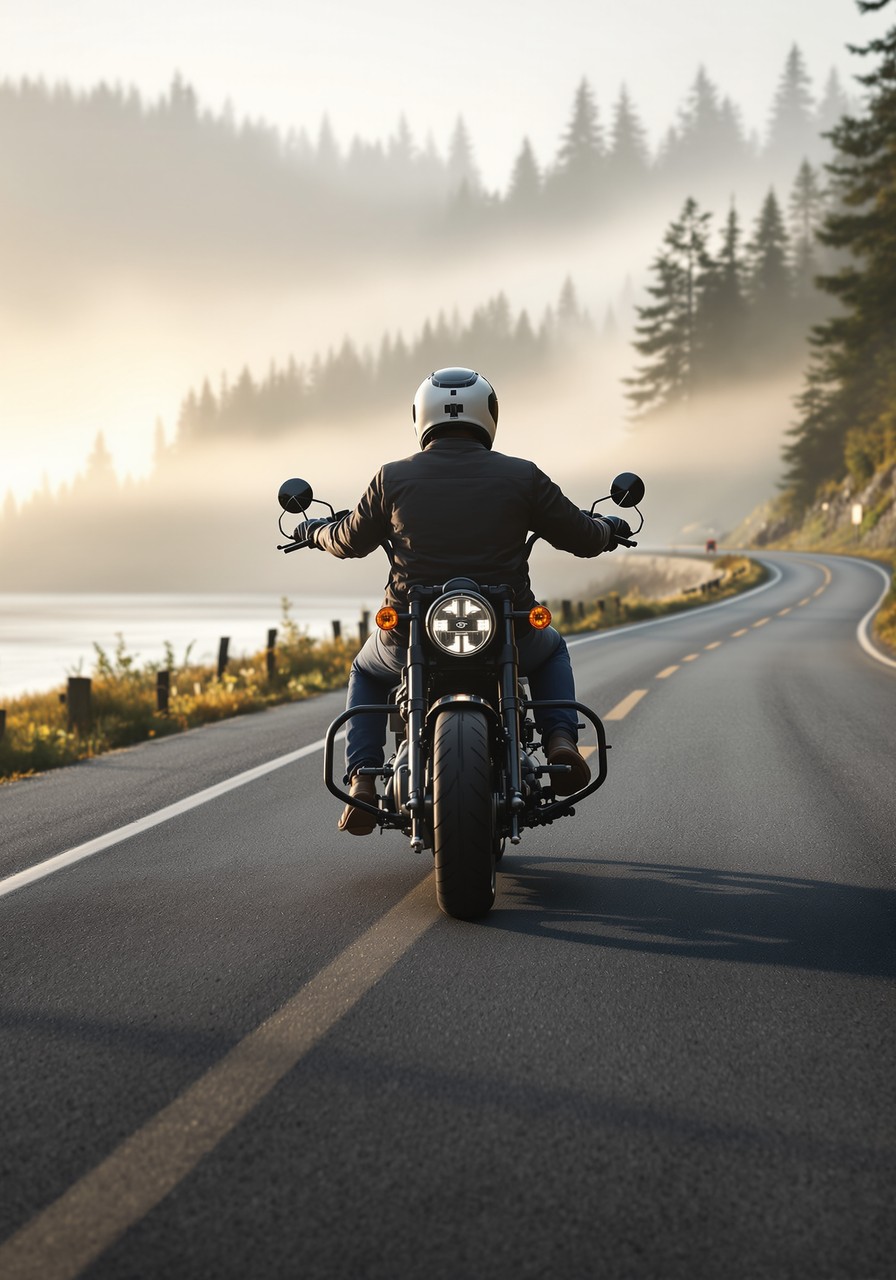
US-101 around the Olympic Peninsula and the Hood Canal is quiet, green, and long. Give yourself the whole day and a full tank. #RideNationWA #OlympicPeninsula #PNWMoto
Gear & New Iron
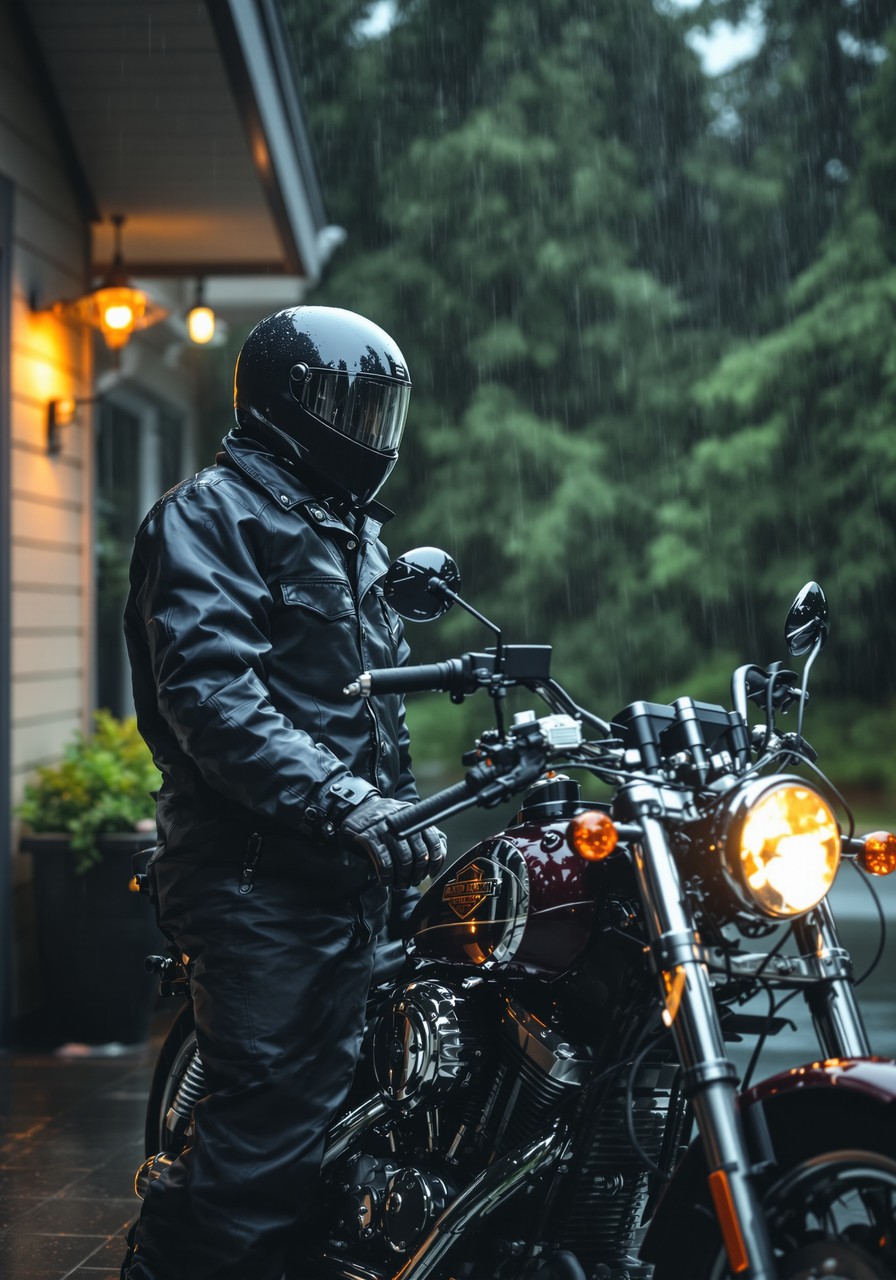
That mesh jacket with no armor pockets is a summer T-shirt with a zipper. Upgrade to real CE inserts before your next ride. #RideNationWA #ATGATT #RiderTips
Safety & WA Law
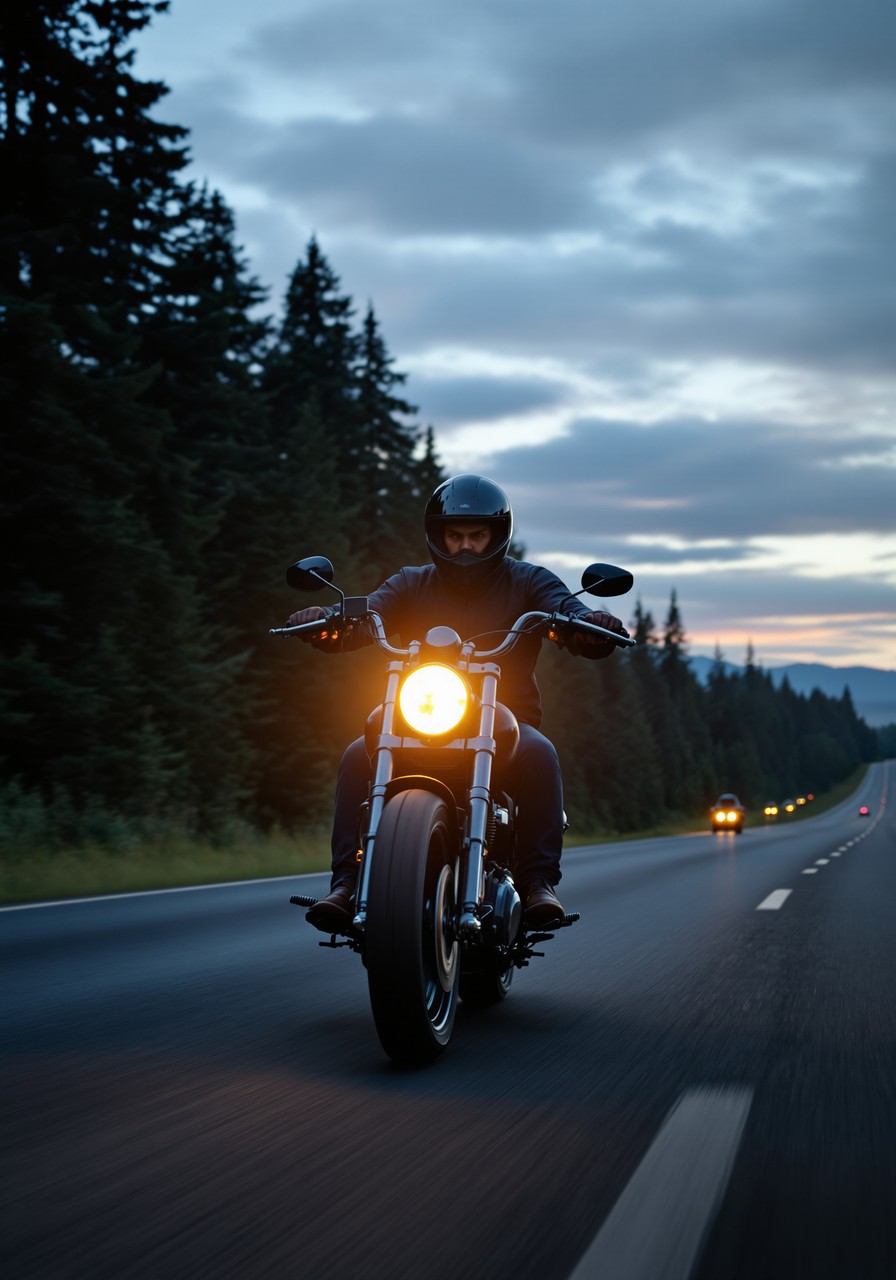
The most common line after a crash is I never saw the motorcycle. Ride like you are invisible, use your lane position, and make drivers look twice. Hurt by a driver who did not see you? Call (833) 388-2453. #RideNationWA #SeattleRiders #MotorcycleSafety
Engagement
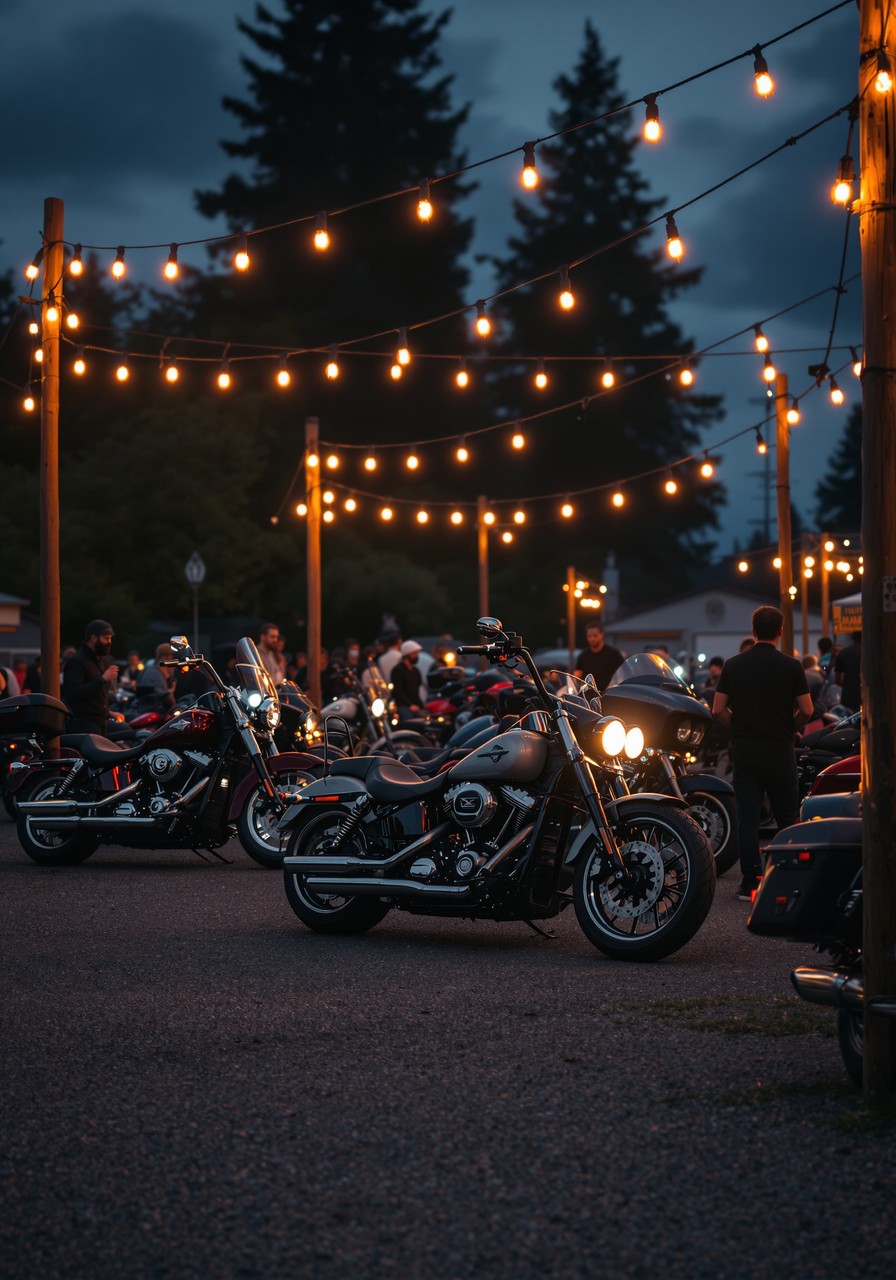
This or that: heated grips or heated jacket. You only get one for the whole wet season. Choose. #RideNationWA #PNWMoto #WashingtonRiders
Giveaway & Countdown
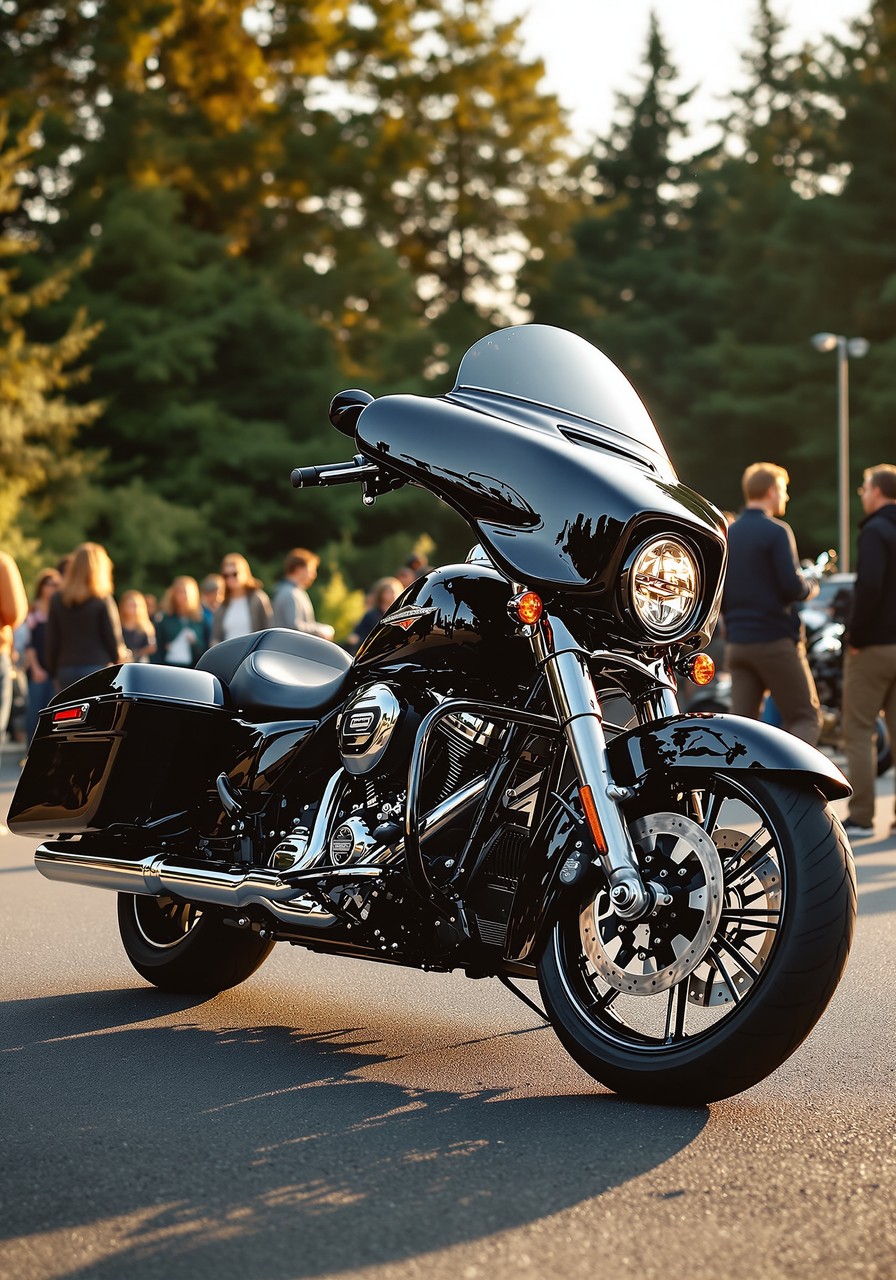
Entering is free and it starts with a conversation. Ask Washington Injury Law about your crash and you are in the running for $20,000. (833) 388-2453. #RideNationWA #BikersWin #WashingtonRiders
Local WA & Rides
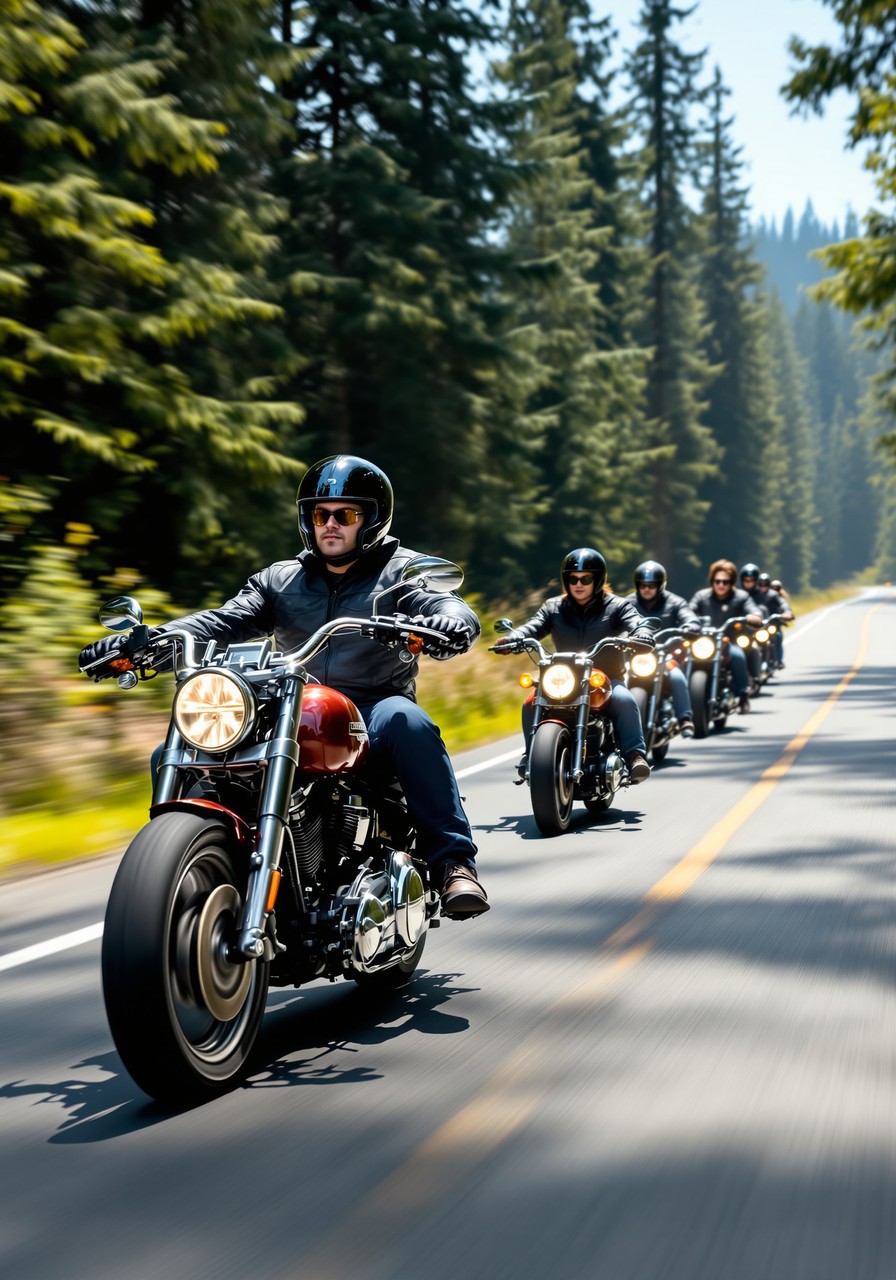
Grated metal bridge decks go slick the second it rains here. Cross them square, easy on the bars, no sudden inputs. #RideNationWA #SeattleRiders
Gear & New Iron
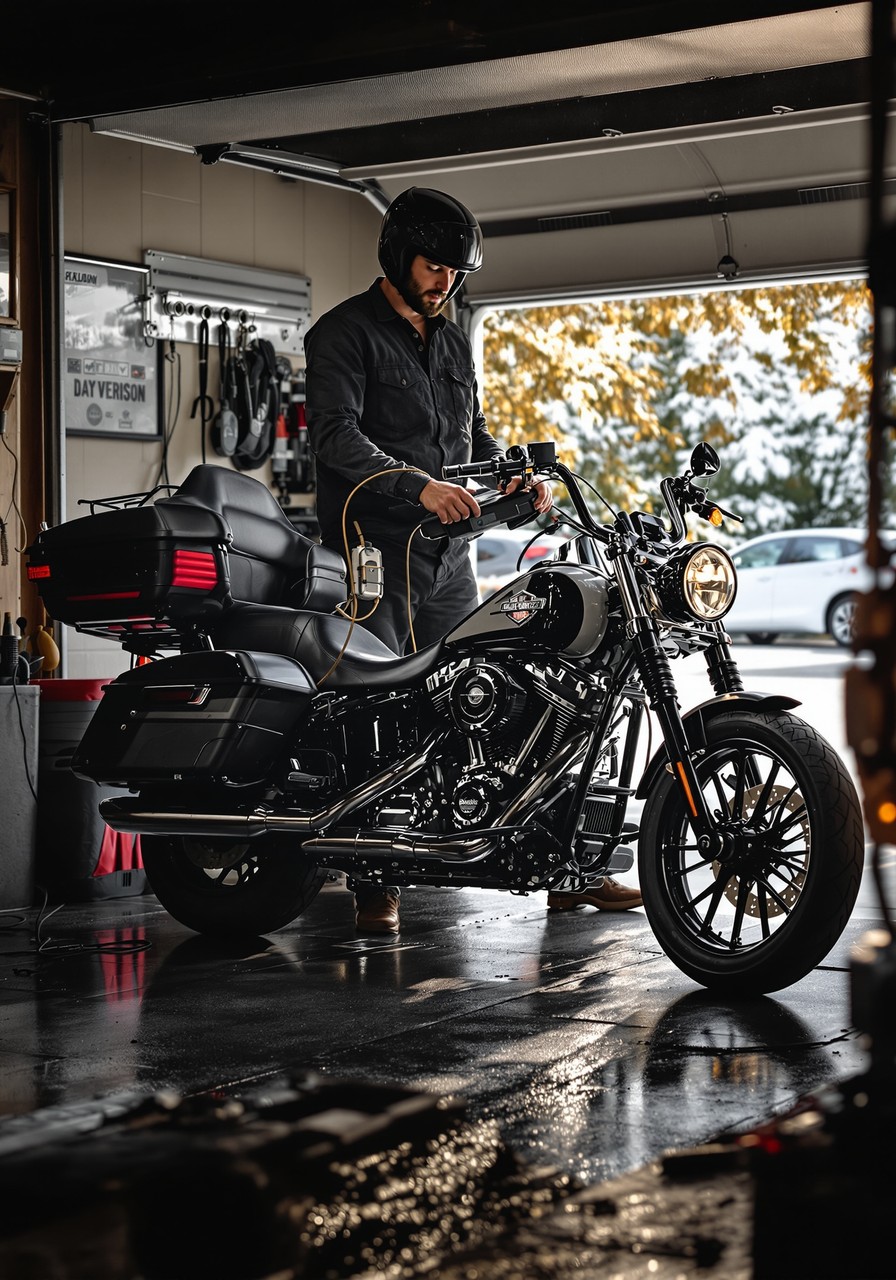
PNW truth: your rain gear is your most important gear nine months a year. Waterproof shell, waterproof gloves, a Pinlock visor. That kit changes everything. #RideNationWA #RainGear #ATGATT
Safety & WA Law
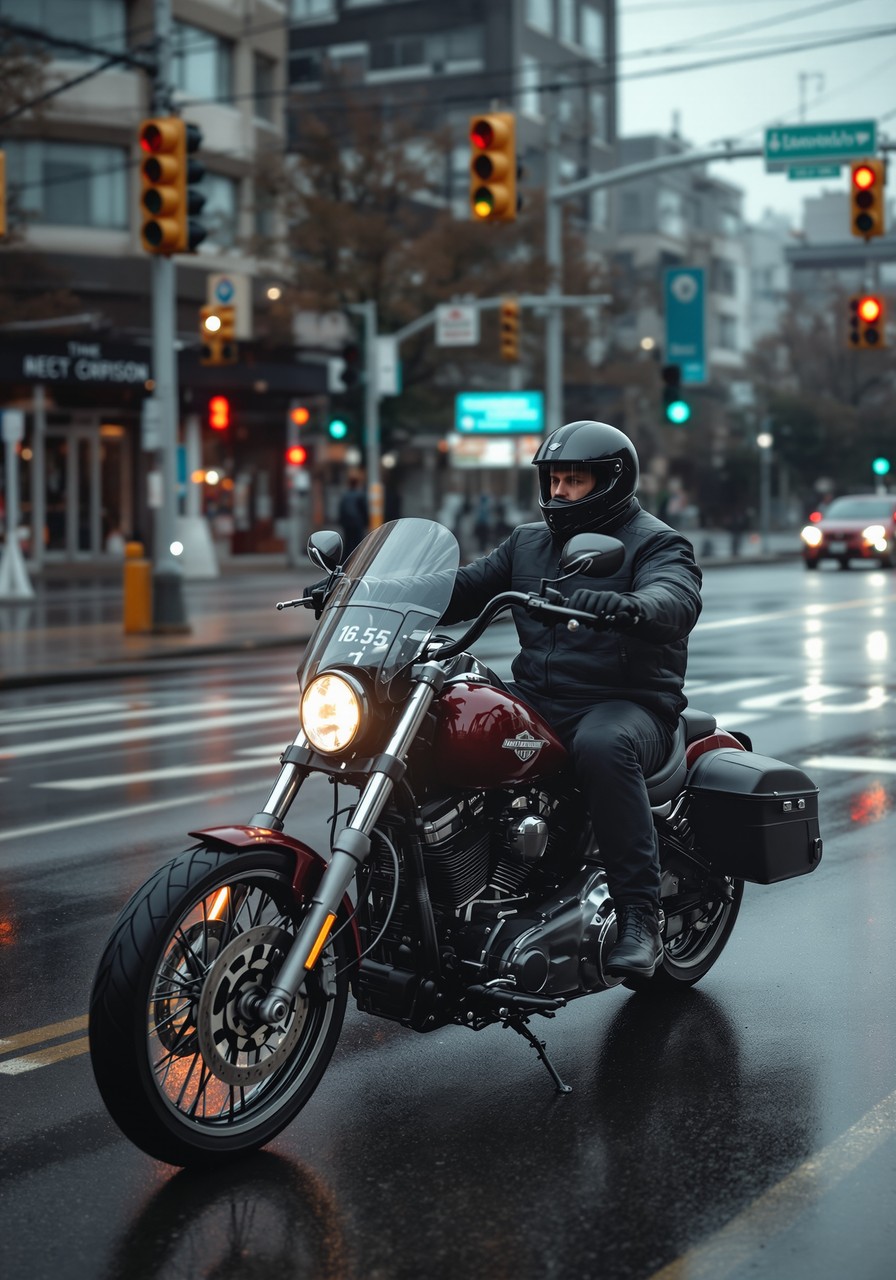
PIP is optional coverage in Washington, so many riders skip it and lean on health insurance instead. Know what you carry before you need it. Want a free case review of your coverage? Call (833) 388-2453. #RideNationWA #RiderRights #KnowYourRights
Engagement
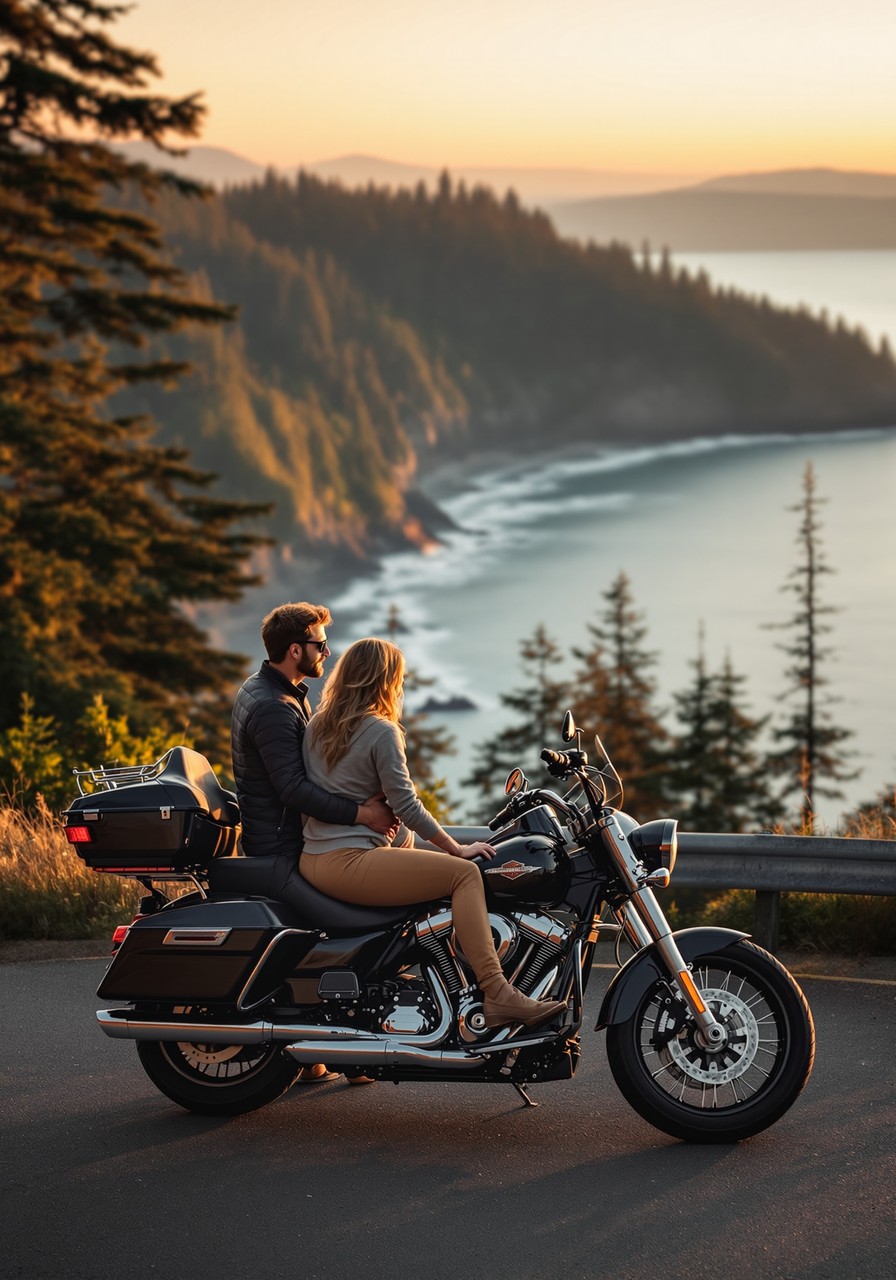
Question for the group: what is the one road you are counting down to ride once the passes clear? #RideNationWA #MountRainier #PacificNorthwest
Giveaway & Countdown
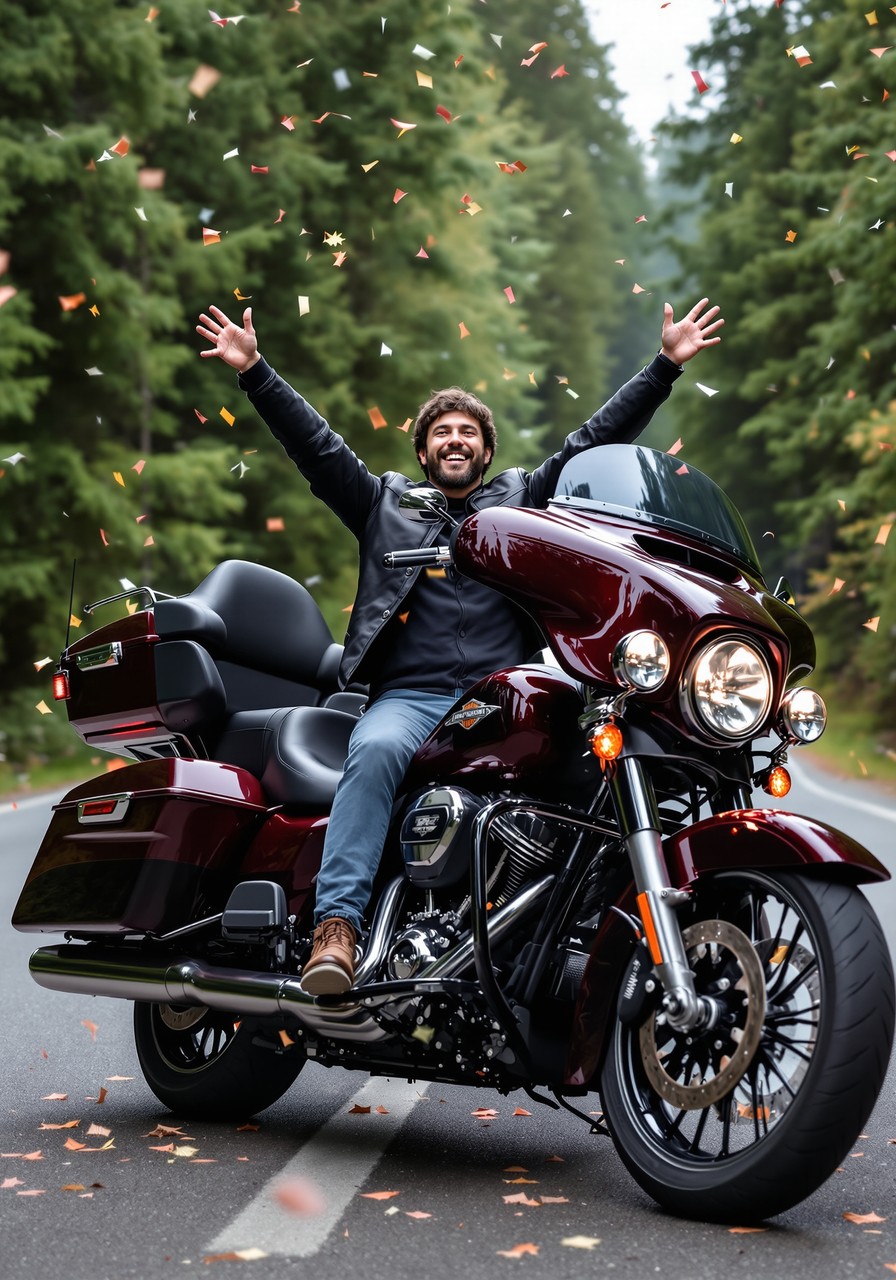
Tag the rider who never misses a good giveaway. This one is worth twenty thousand. #RideNationWA #MotorcycleGiveaway #PNWMoto
Local WA & Rides
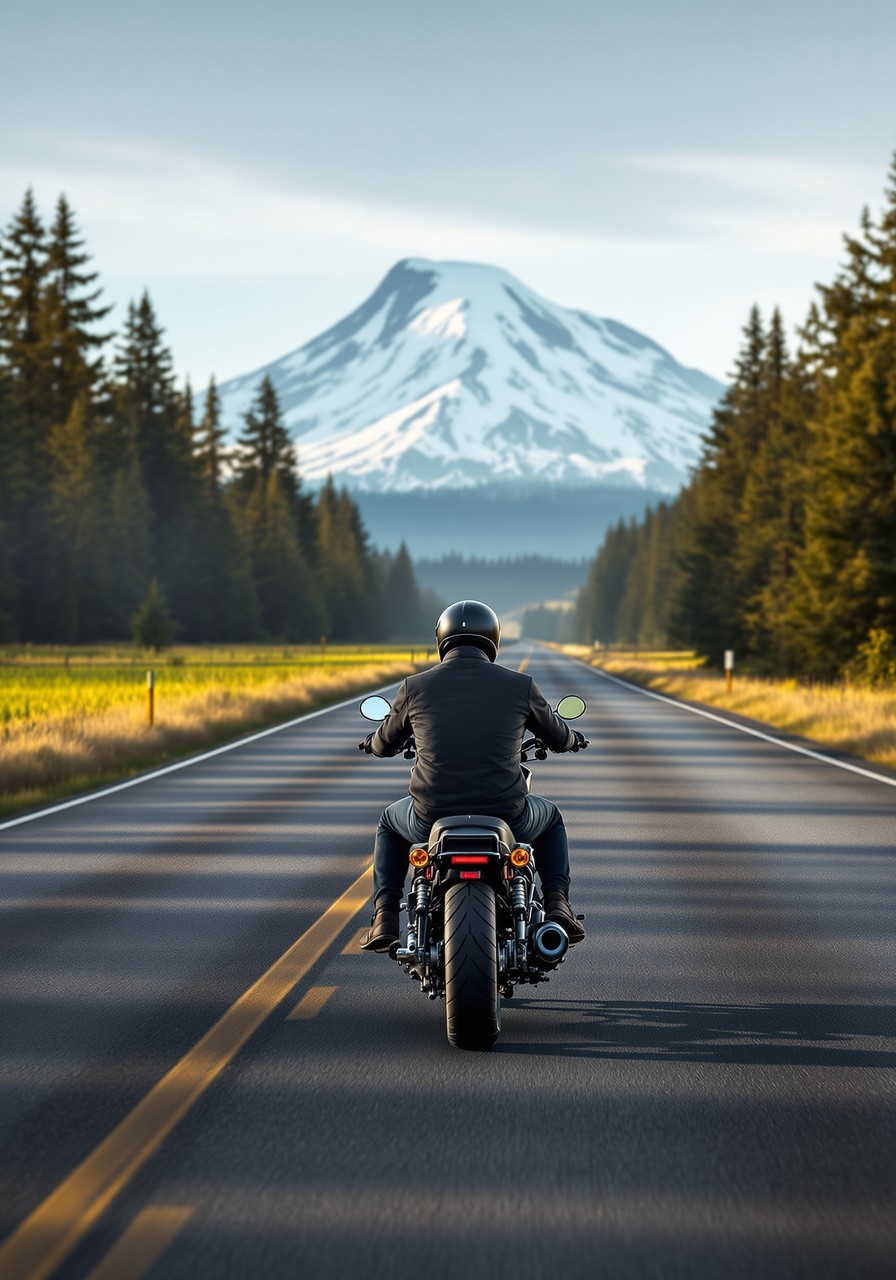
Wet light-rail and old streetcar tracks downtown are greasy in the drizzle. Take them at a shallow angle and roll through steady. #RideNationWA #SeattleRiders
Gear & New Iron
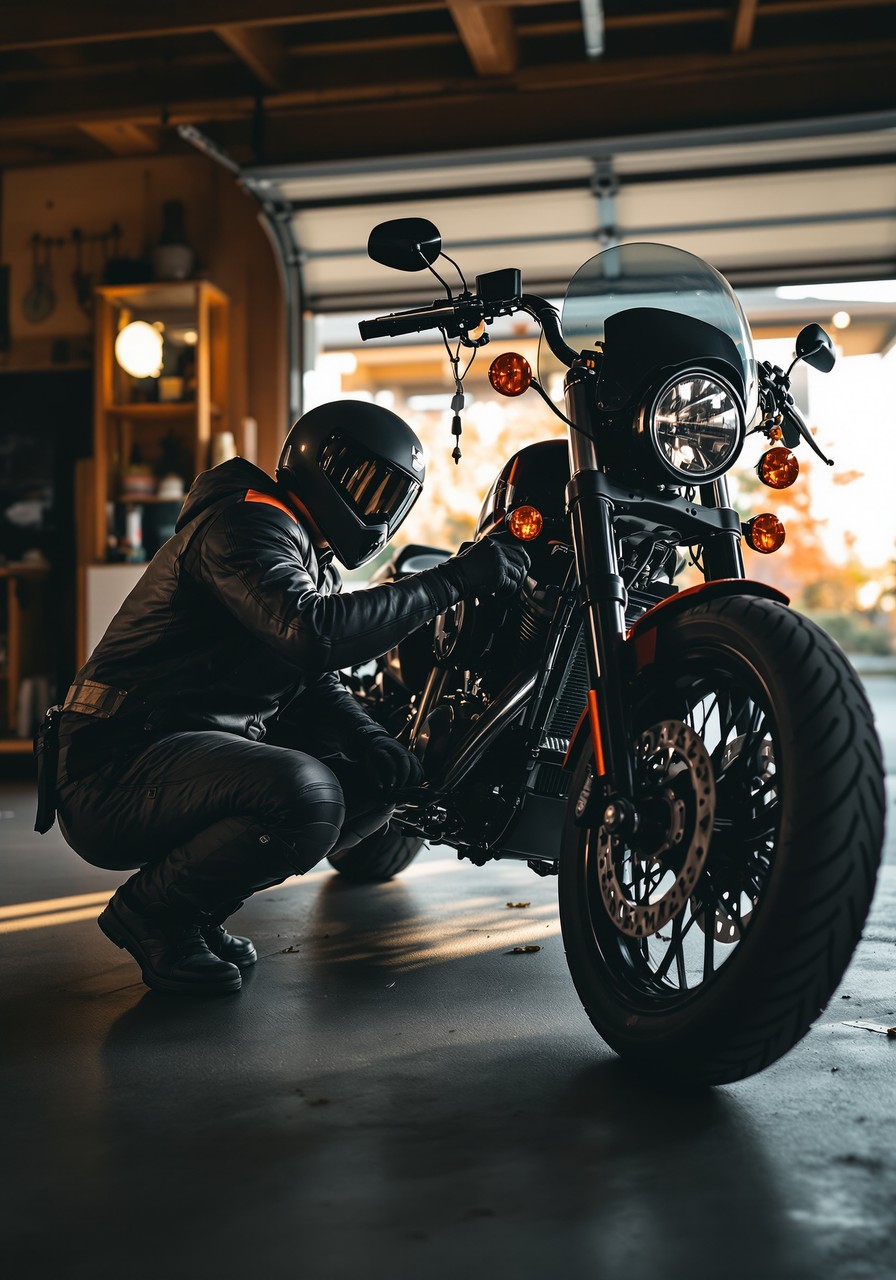
Rain gear you can pull on over your jacket at a gas station beats being soaked to Tacoma. Keep a packable set under the seat all winter. #RideNationWA #RainGear #PNWMoto
Safety & WA Law
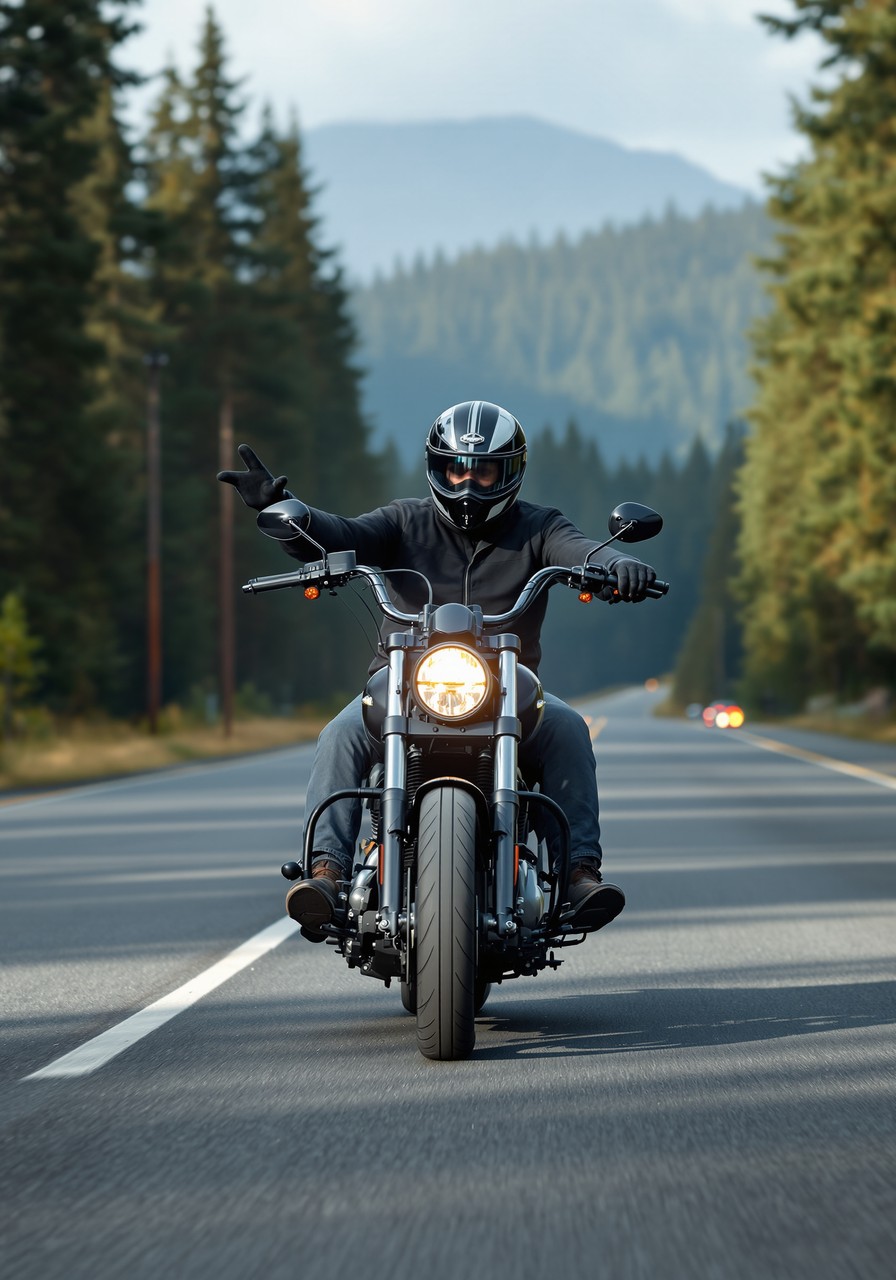
Light-rail and streetcar tracks in the city are slick steel traps in the wet. Cross them as close to square as you safely can and stay off the paint. #RideNationWA #SeattleRiders #PNWMoto
Engagement
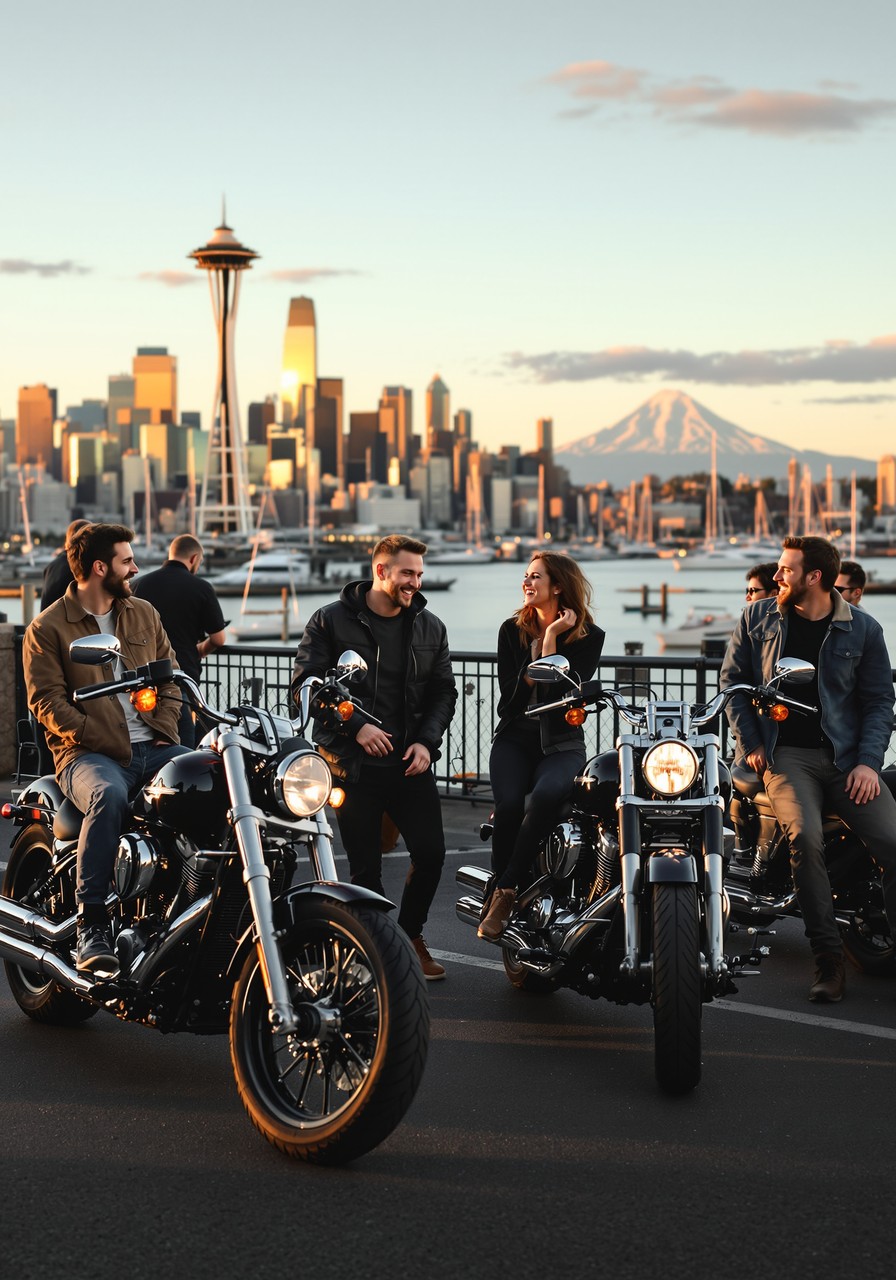
Two truths and a lie about your riding year. Drop them below and we will guess. #RideNationWA #SeattleRiders #TwoWheels
Giveaway & Countdown
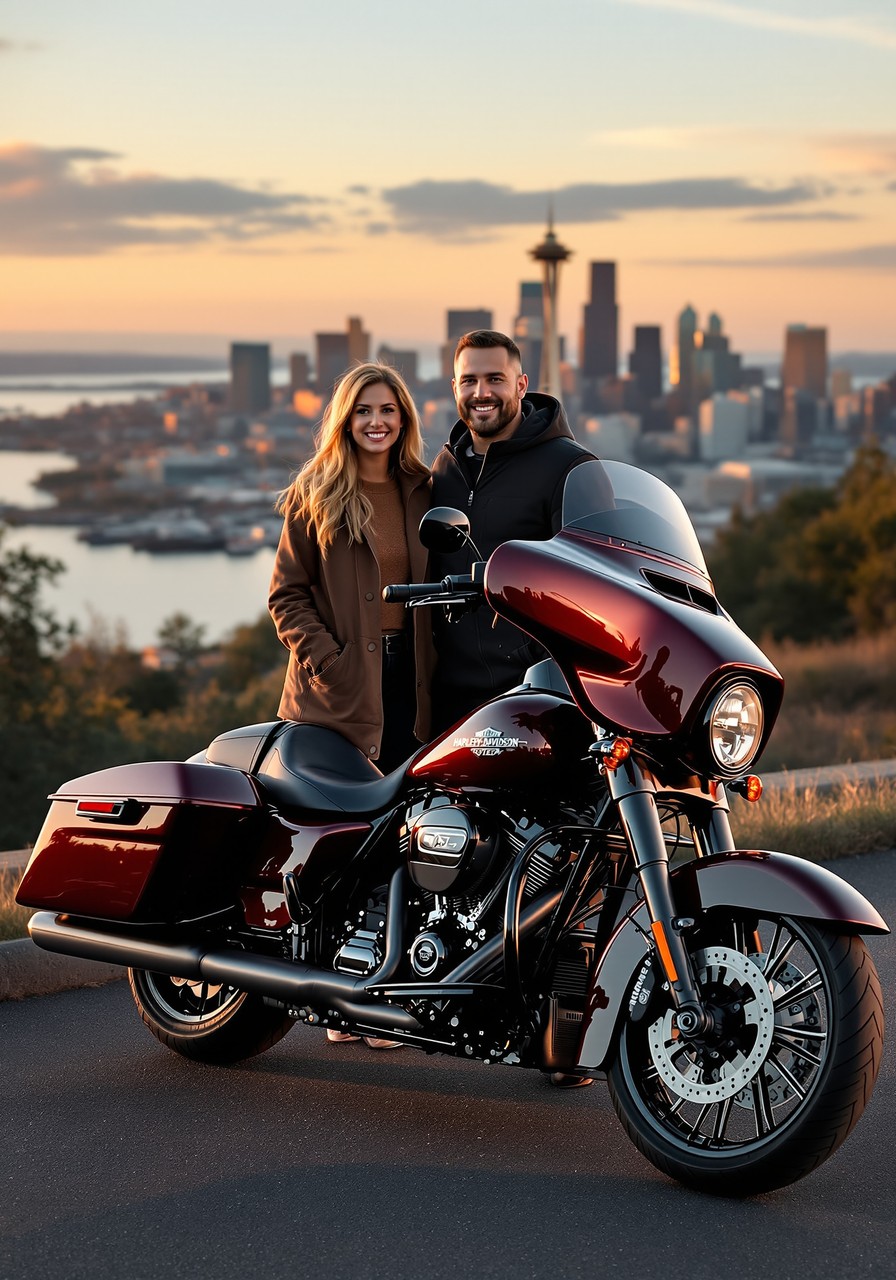
No purchase, no catch. A free case review with our team enters you in the BikersWin $20,000 giveaway. Call (833) 388-2453 to get started. #RideNationWA #20kGiveaway #SeattleRiders
Local WA & Rides
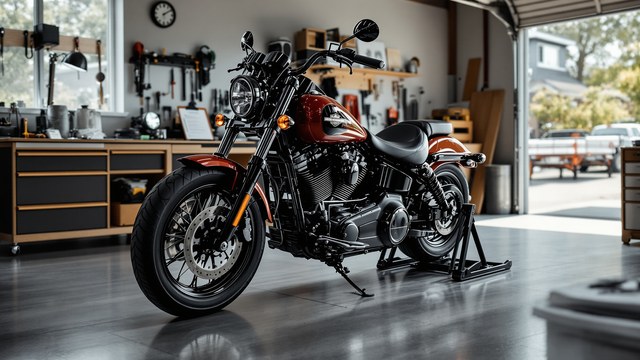
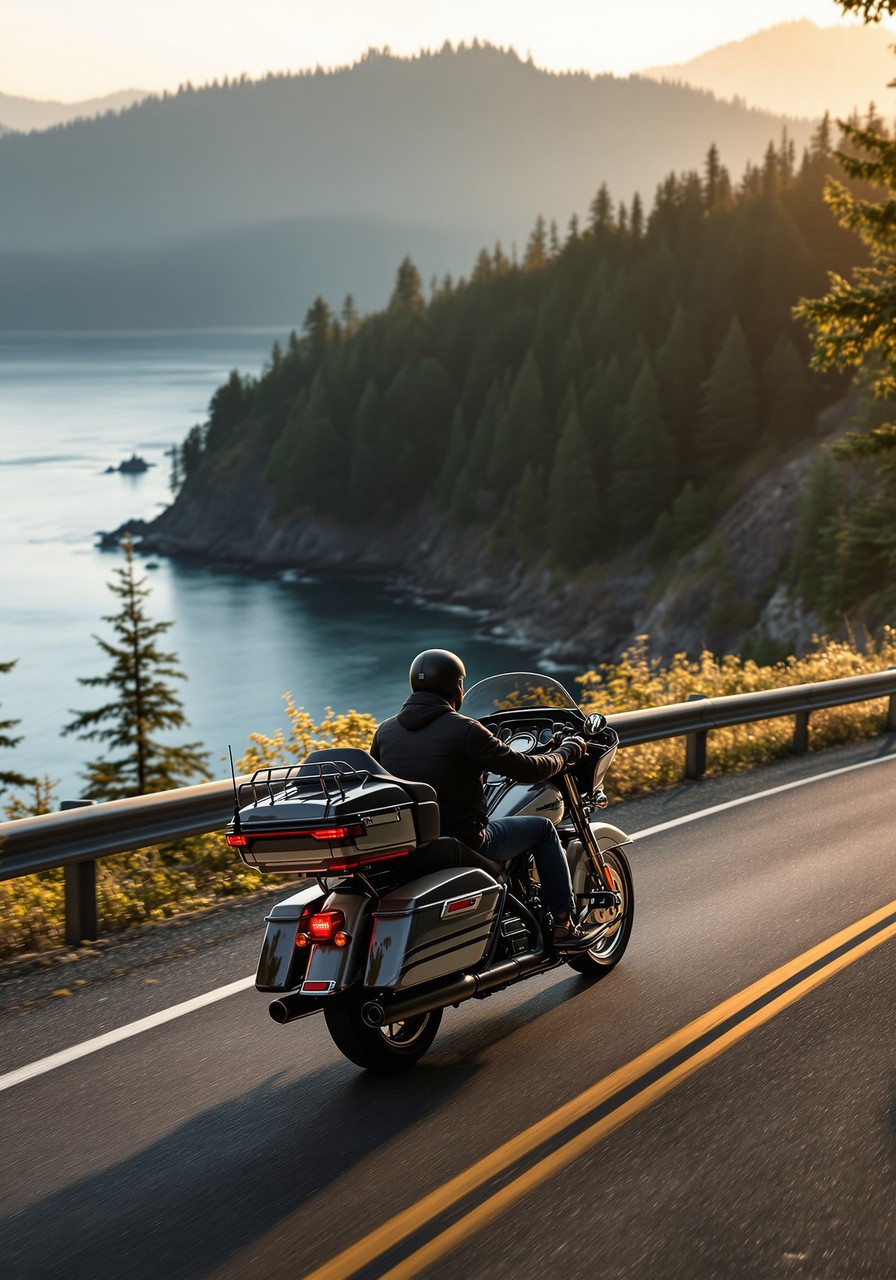
December is garage season for most of us. Fresh oil, a battery tender, and a clean chain now means you roll on the first dry day. #RideNationWA #PNWMoto #WashingtonRiders
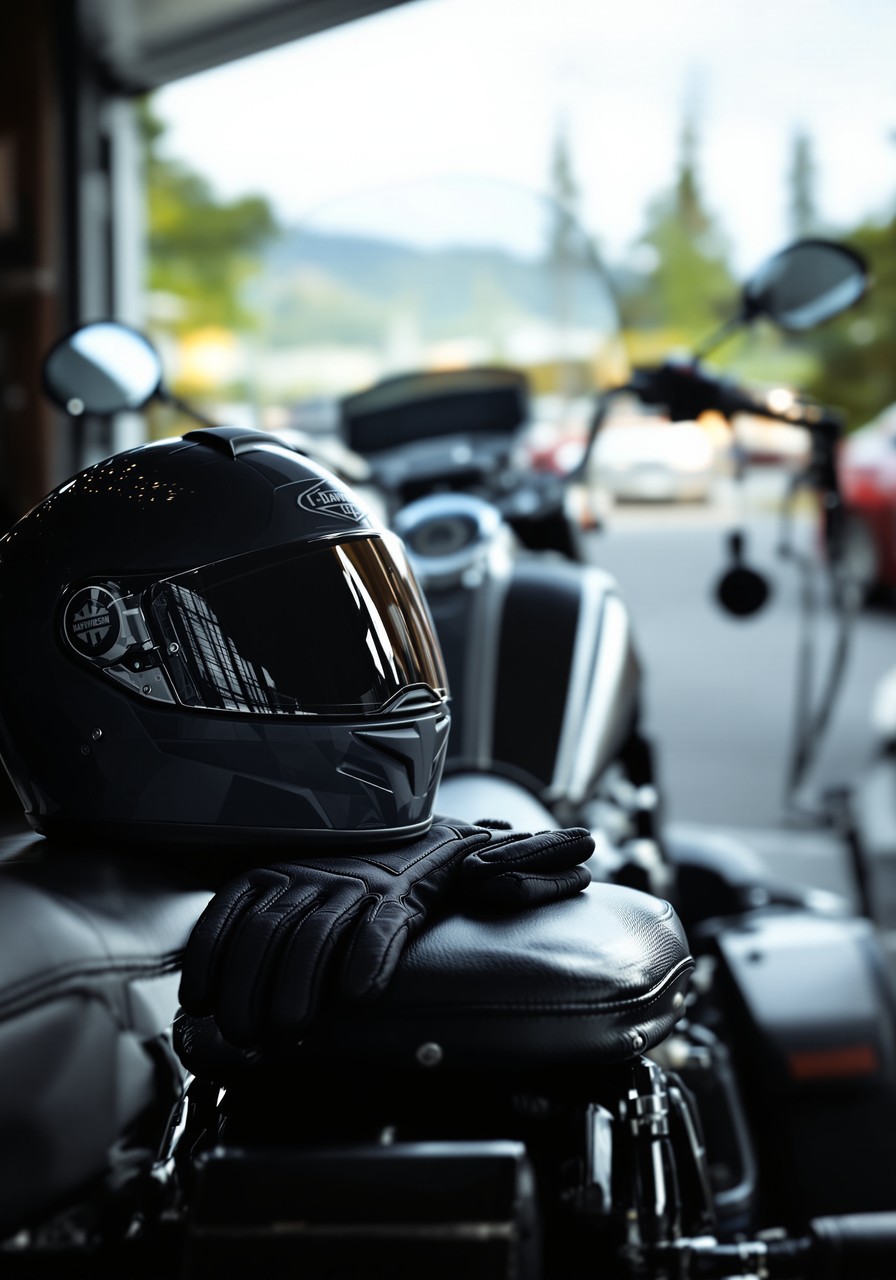
Gear & New Iron
Wet hands go numb, and numb hands miss the brake. Waterproof gloves are not a luxury here, they are control. #RideNationWA #RainGear #RiderTips
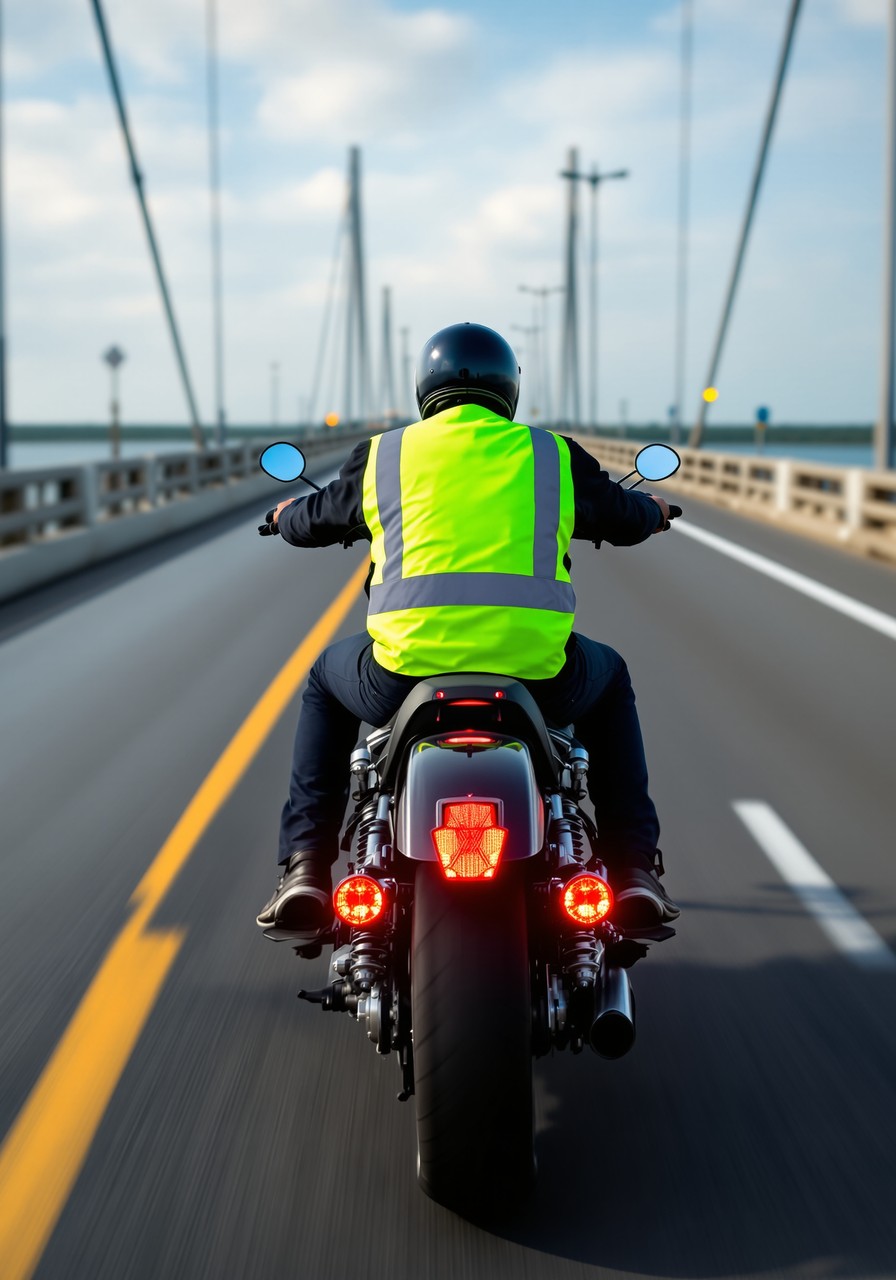
Safety & WA Law
UM and UIM coverage is your real backstop when the driver who hit you has no insurance or not enough. In Washington it must be offered to you, so do not reject it without thinking. Call Washington Injury Law at (833) 388-2453. #RideNationWA #RiderRights #WashingtonRiders
Engagement
Fill in the blank: I know it is layup season when ______. Finish the sentence. #RideNationWA #PNWMoto #PacificNorthwest
Giveaway & Countdown
The clock is running on the BikersWin giveaway, Seattle-Tacoma. Do not let this one pass you by. #RideNationWA #BikersWin #WashingtonRiders
Local WA & Rides
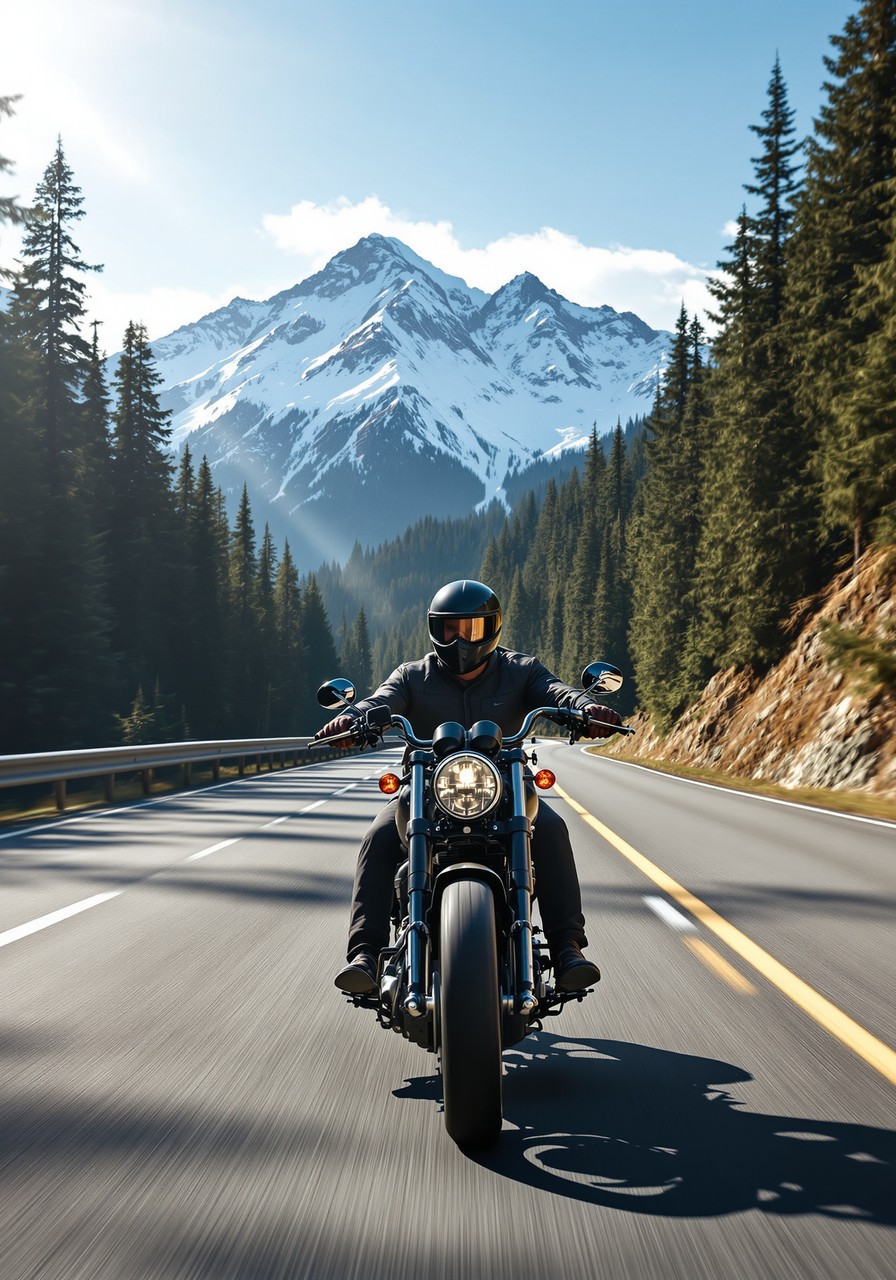
Chasing the rare dry winter day is a Puget Sound sport. Watch the radar, layer up, and grab the two-hour window when it opens. #RideNationWA #SeattleRiders #PNWMoto
Gear & New Iron
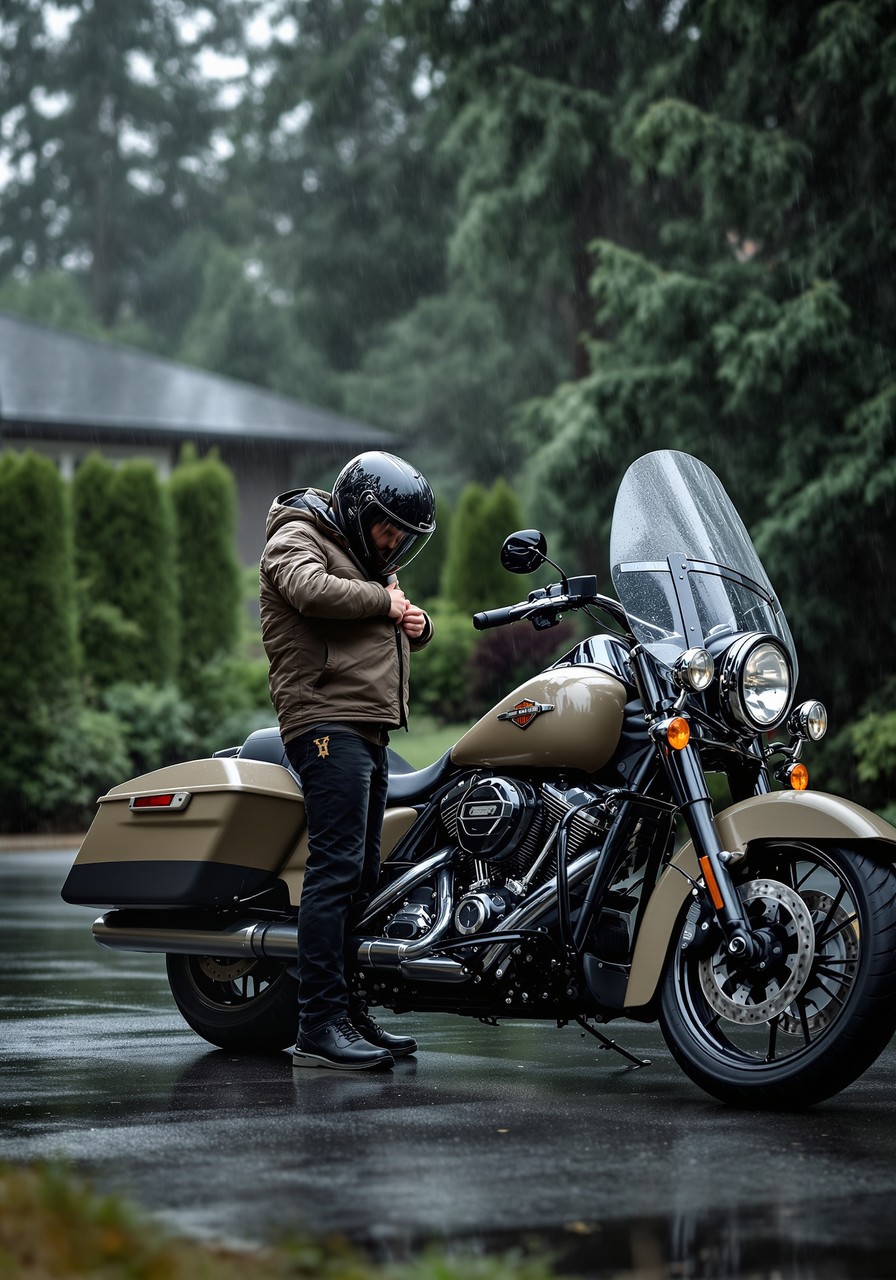
Two glove problem in the PNW: warm and waterproof rarely live in the same pair. Run a heated or insulated waterproof set for winter and save the summer gloves for July. #RideNationWA #GearUp #RainGear
Safety & WA Law
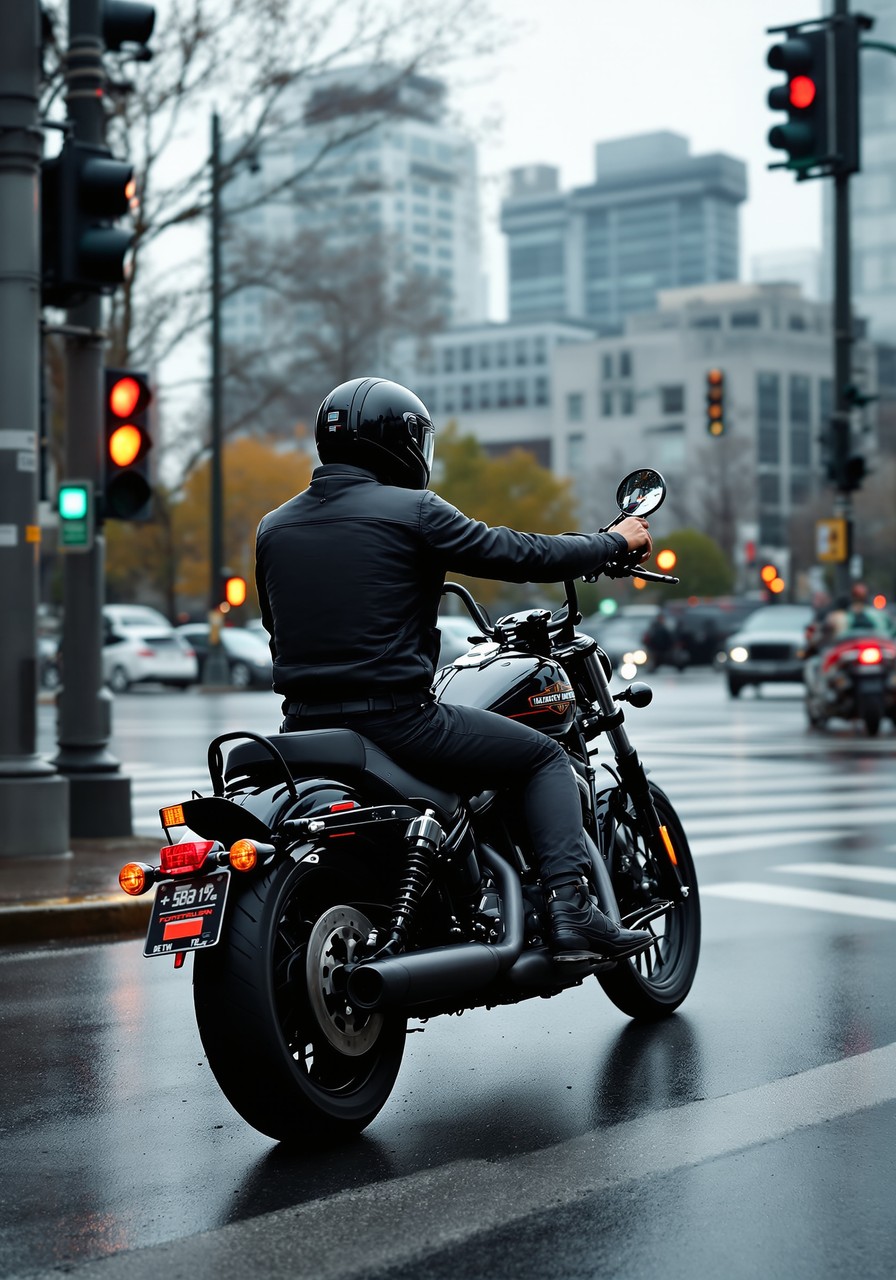
Minimum liability limits in Washington are just 25/50/10. That runs out fast after a serious motorcycle crash, which is why your own UM/UIM matters so much. Questions on your policy? Call (833) 388-2453. #RideNationWA #KnowYourRights #WashingtonRiders
Engagement
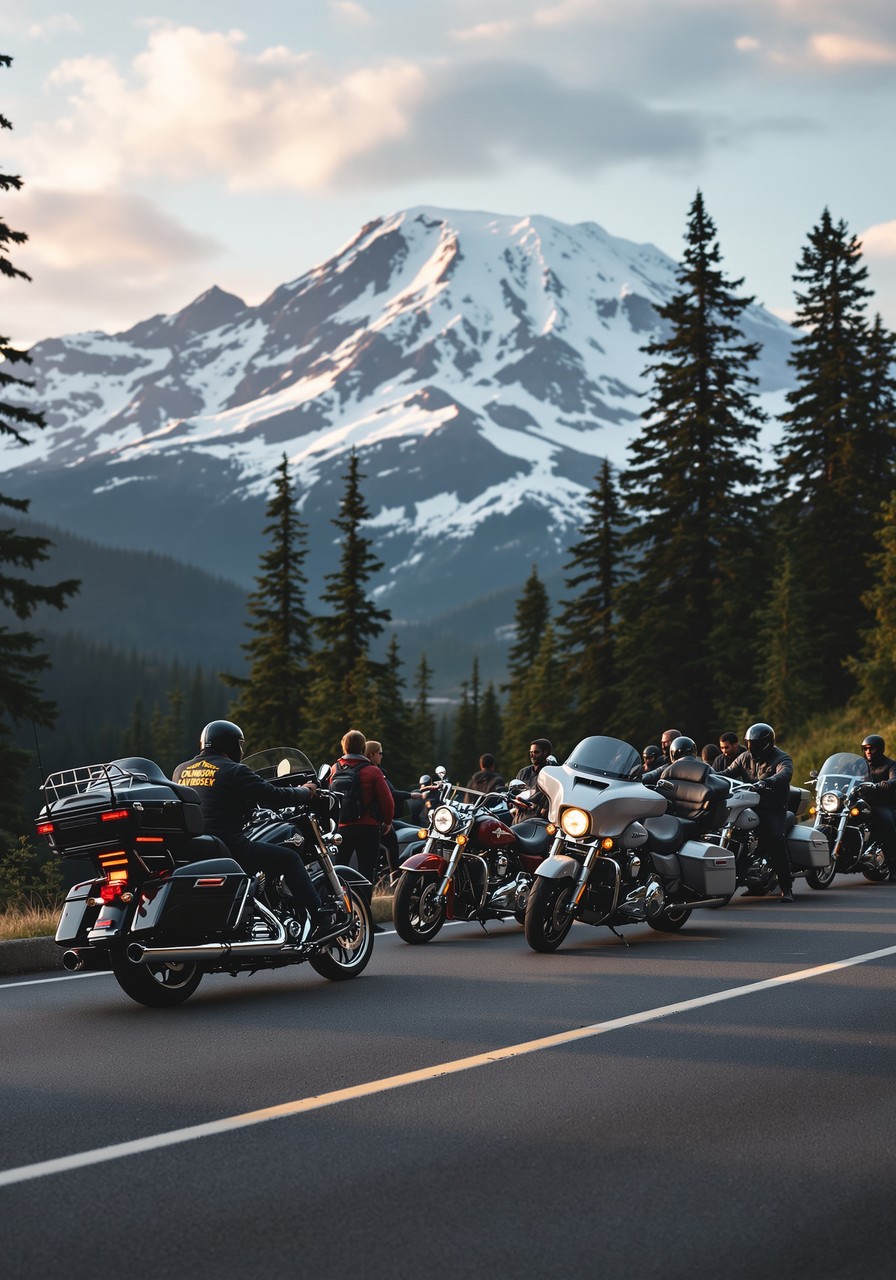
Poll: snow already on Snoqualmie Pass. Are you sad, relieved, or already planning spring? Vote below. #RideNationWA #WashingtonRiders #PacificNorthwest
Giveaway & Countdown
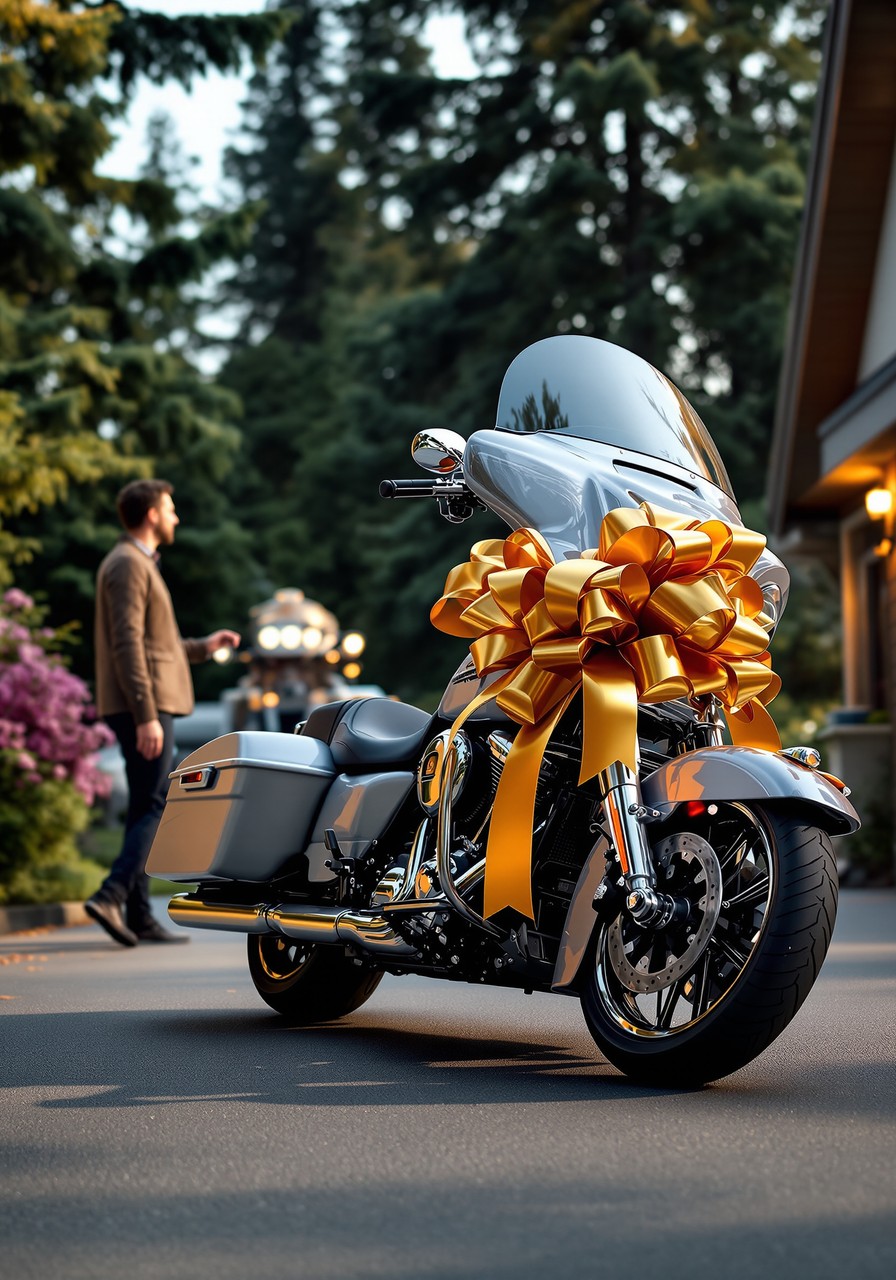
Winner energy only. Somebody in Ride Nation Seattle is about to be twenty thousand dollars richer. #RideNationWA #20kGiveaway #PNWMoto
Local WA & Rides
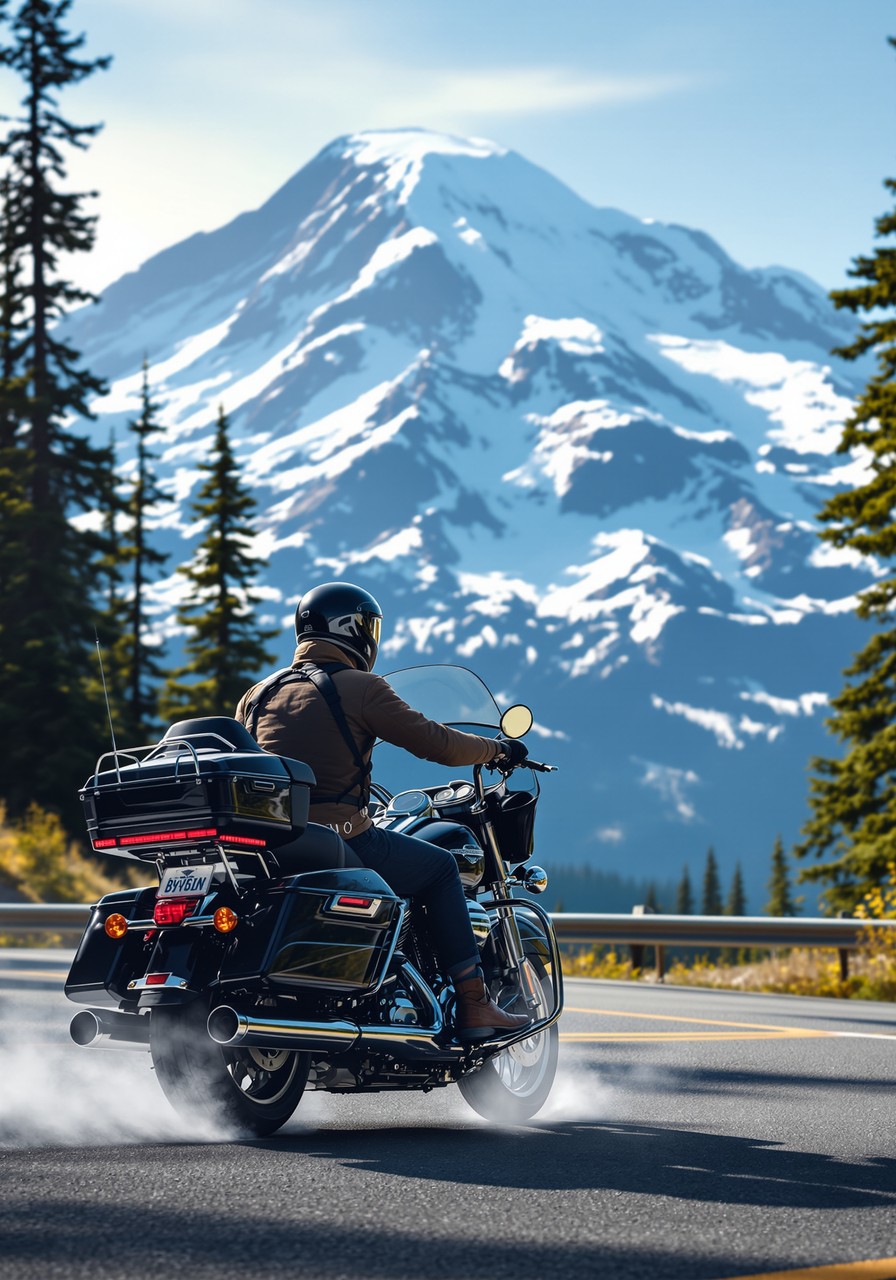
The SR-520 and I-90 floating bridges have joints and grating that turn slippery in the rain. Steady throttle, relaxed grip, and no lane changes mid-span. #RideNationWA #SeattleRiders
Gear & New Iron
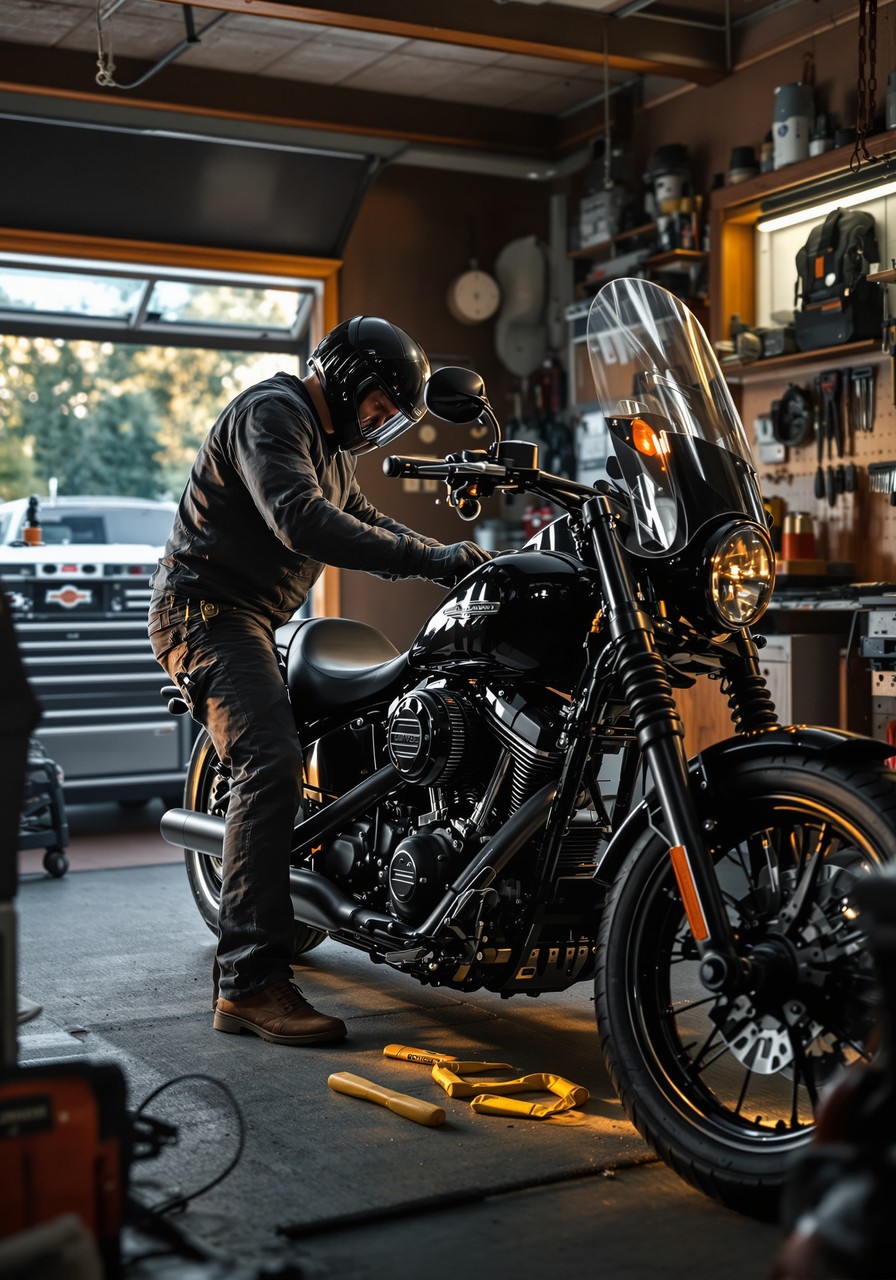
Waterproof boots keep your feet dry, and dry feet stay warm, and warm feet still feel the shifter on a cold pass. Seal the seams before the rain sets in. #RideNationWA #GearUp #PNWMoto
Safety & WA Law
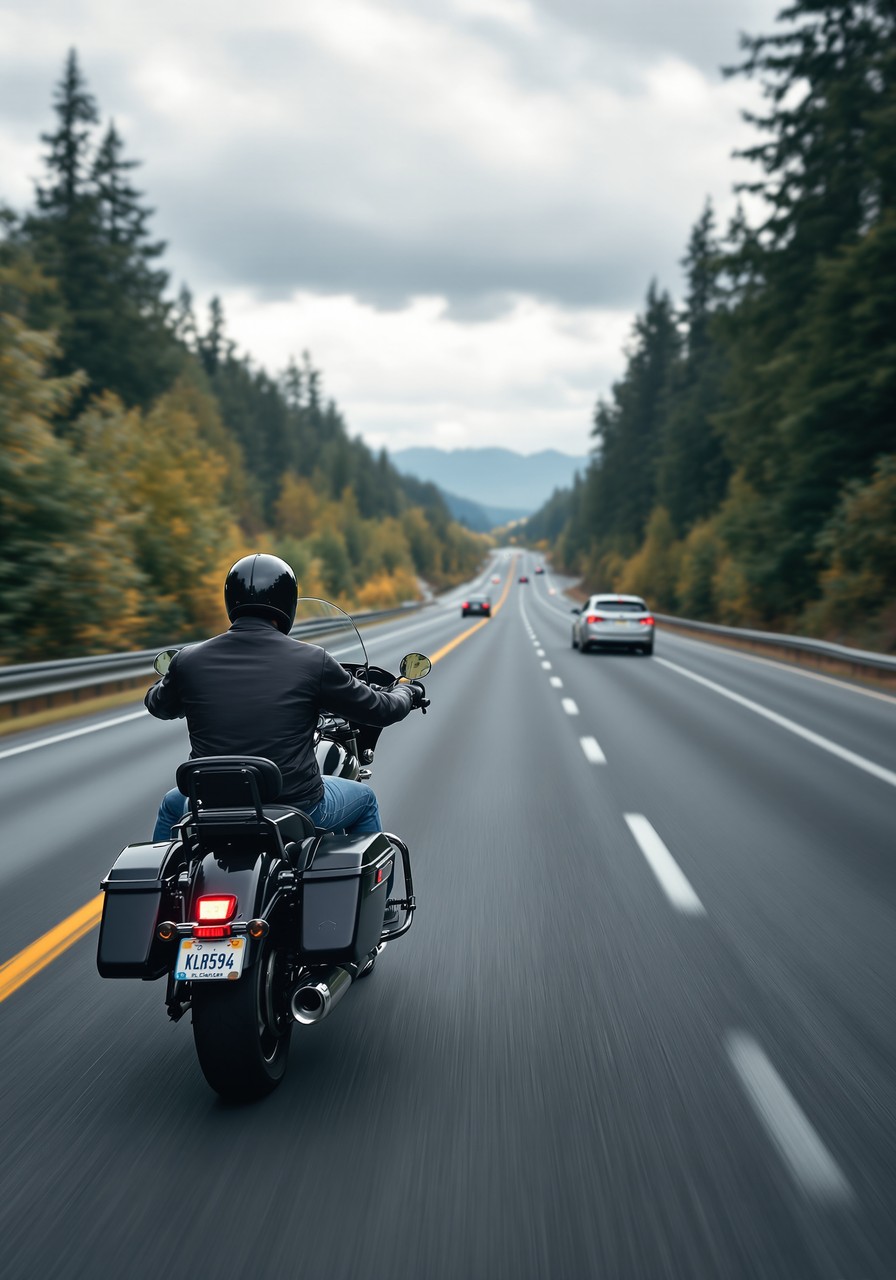
Black ice hides on the mountain passes long after the sun is out. If it has been near freezing, treat shaded corners and bridges like glass. #RideNationWA #MotorcycleSafety #PNWMoto
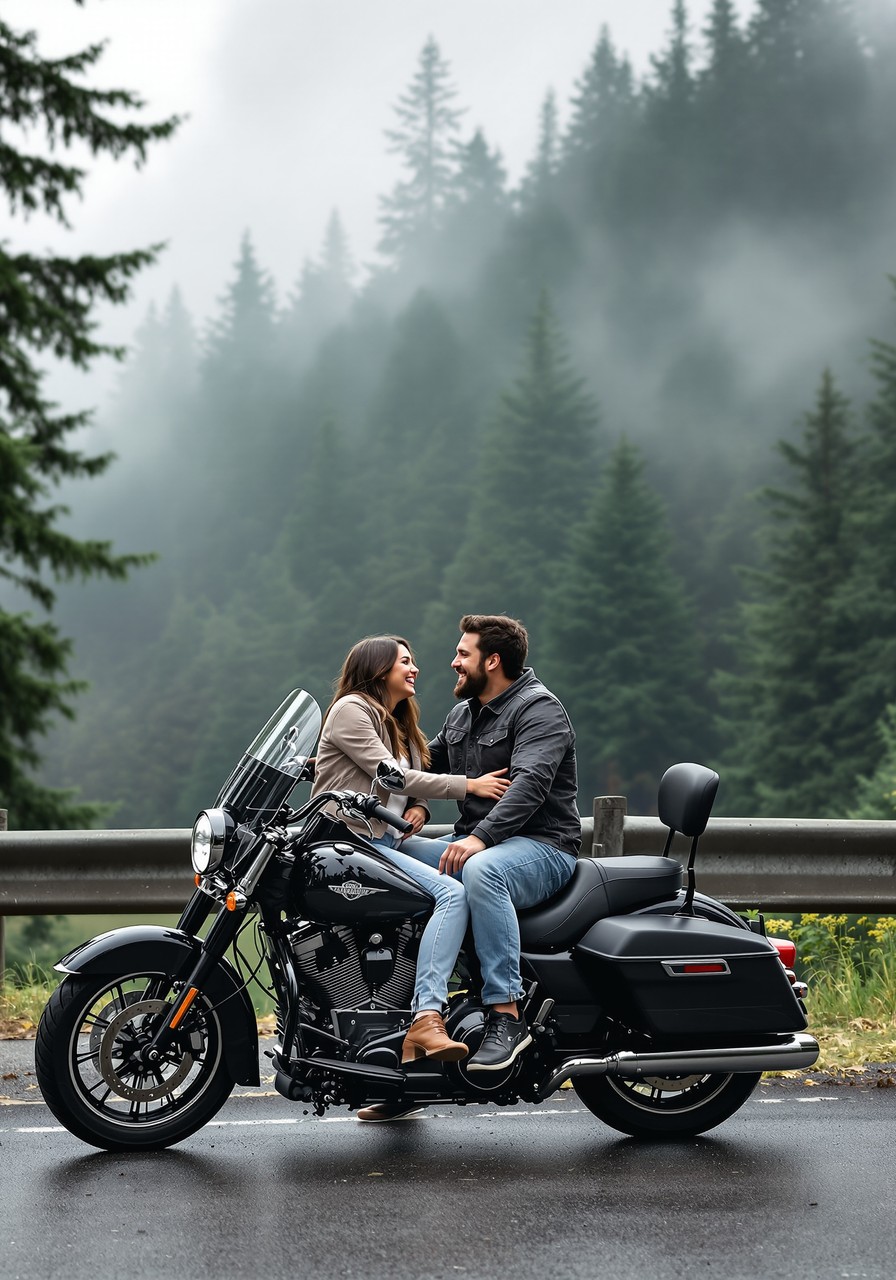
Engagement
Tag a rider who still finds a dry hour to ride in January. We salute the committed. #RideNationWA #RideOrDie #SeattleRiders
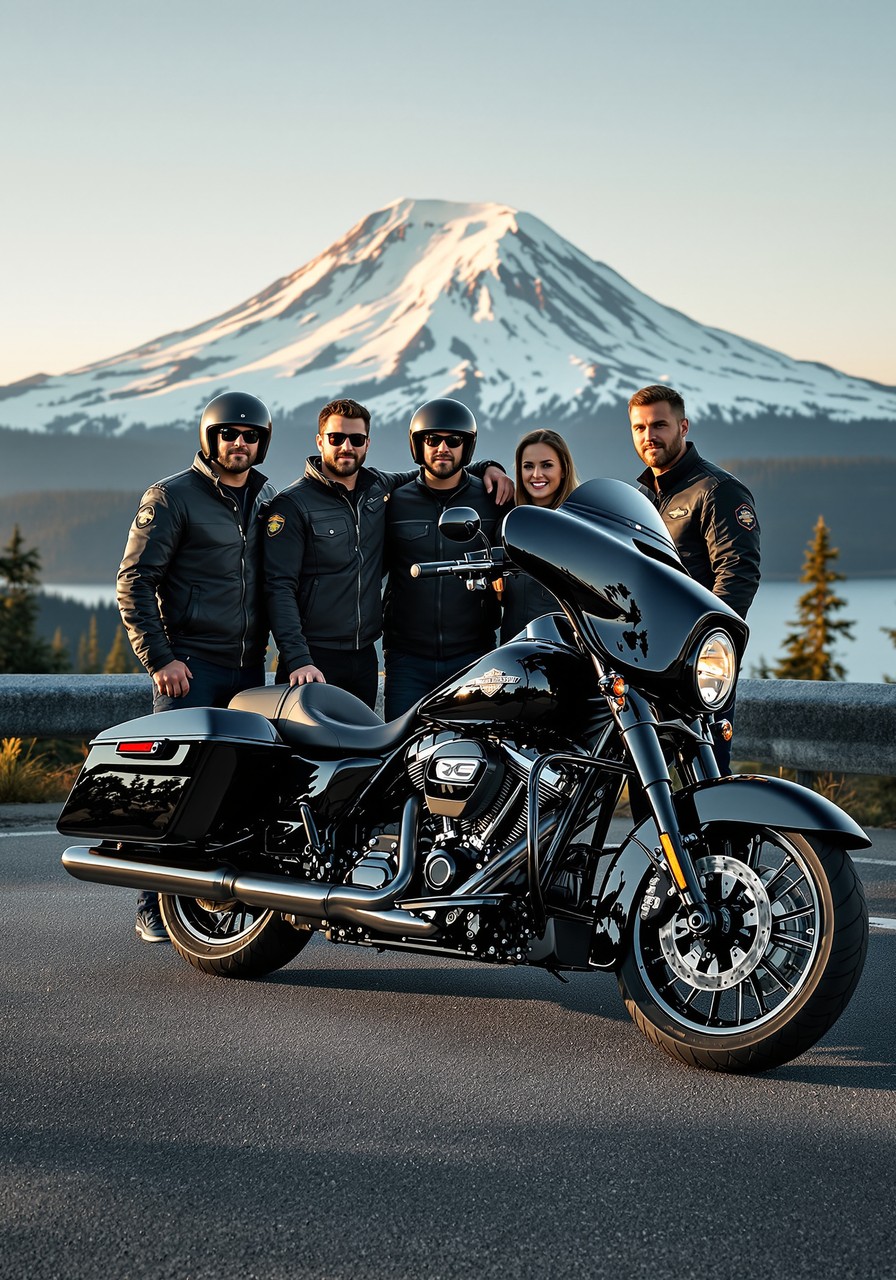
Giveaway & Countdown
Crashed and dealing with it alone? One free call about your claim puts you in the BikersWin giveaway. Reach us at (833) 388-2453. #RideNationWA #MotorcycleGiveaway #SeattleRiders
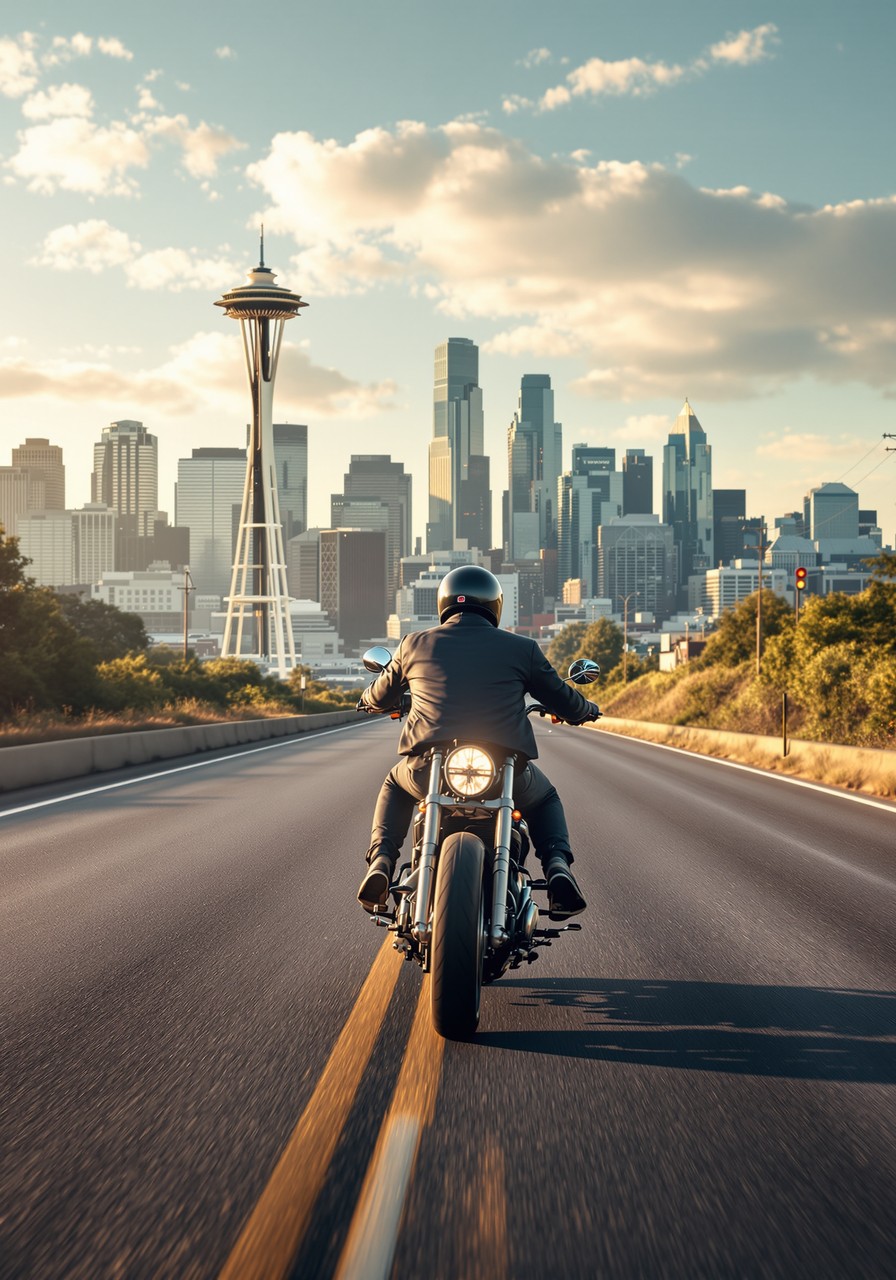
Local WA & Rides
Black ice hides on the passes long after the valley thaws. Snoqualmie shadows stay frozen in the morning, so give the early run a hard pass. #RideNationWA #SnoqualmiePass #WashingtonRiders
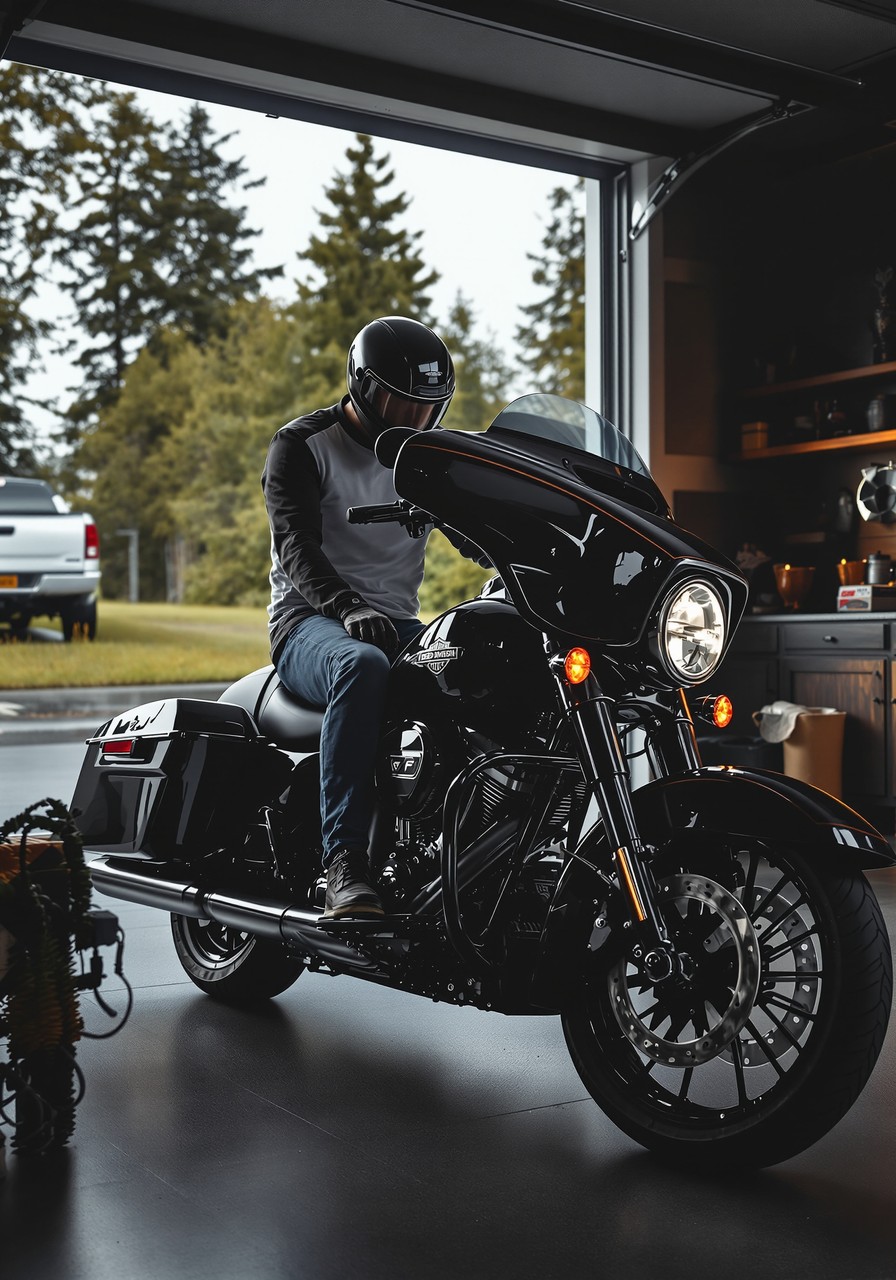
Gear & New Iron
Heated grips are nice. Heated gear is a season extender. A heated liner and gloves turn a miserable 40 degree ride into a comfortable one. #RideNationWA #GearUp #PNWMoto
Safety & WA Law
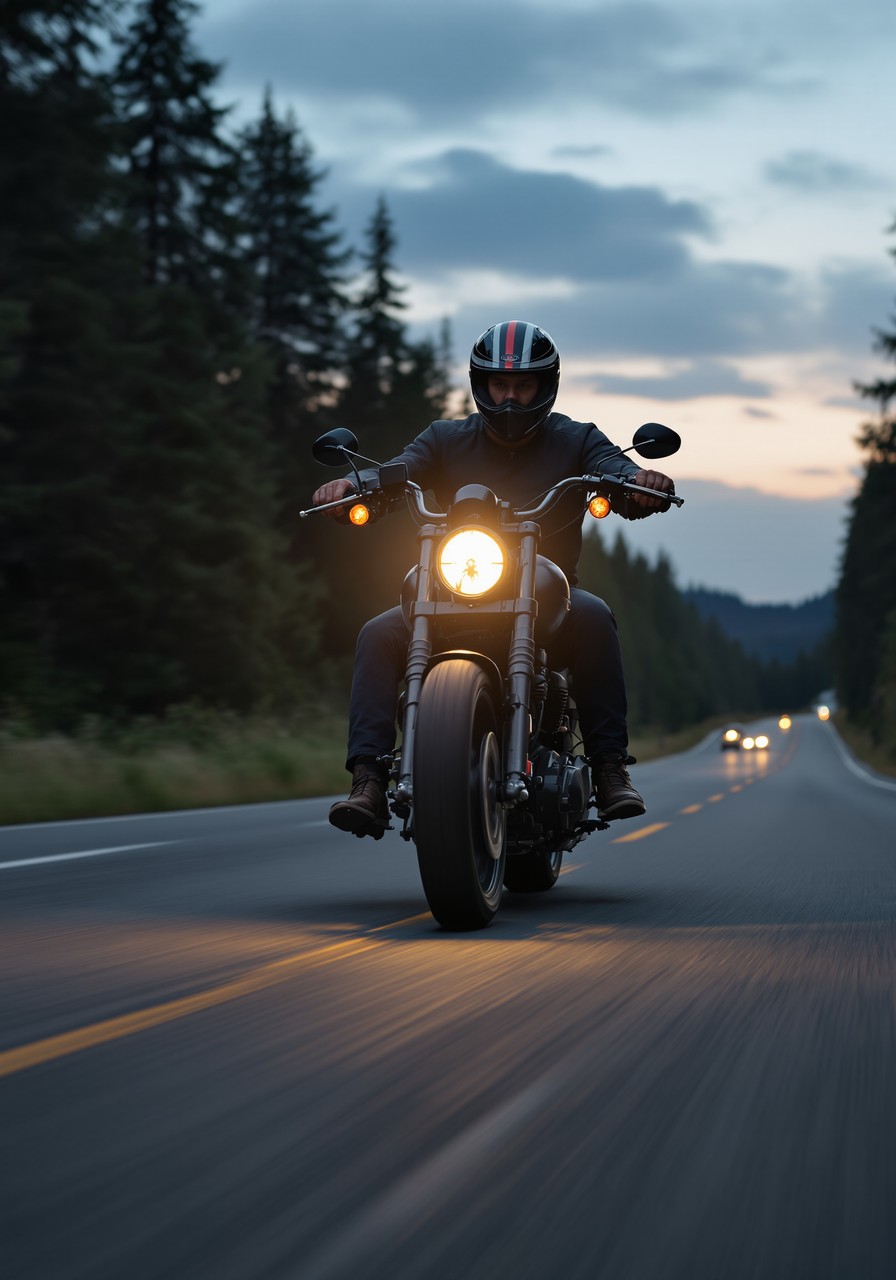
A helmet cam is one of the best witnesses you can carry. If a driver claims you came out of nowhere, your footage tells the truth. Have footage from a crash? Call Washington Injury Law at (833) 388-2453. #RideNationWA #RiderRights #MotorcycleSafety
Engagement
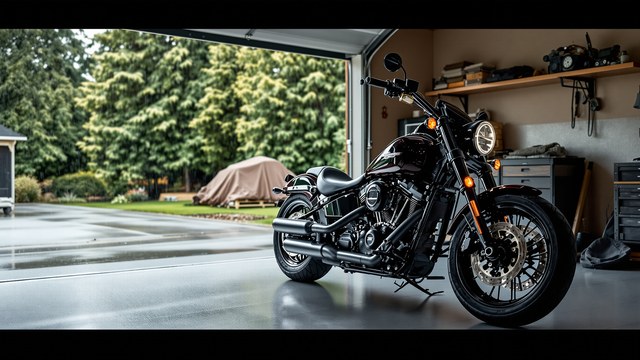
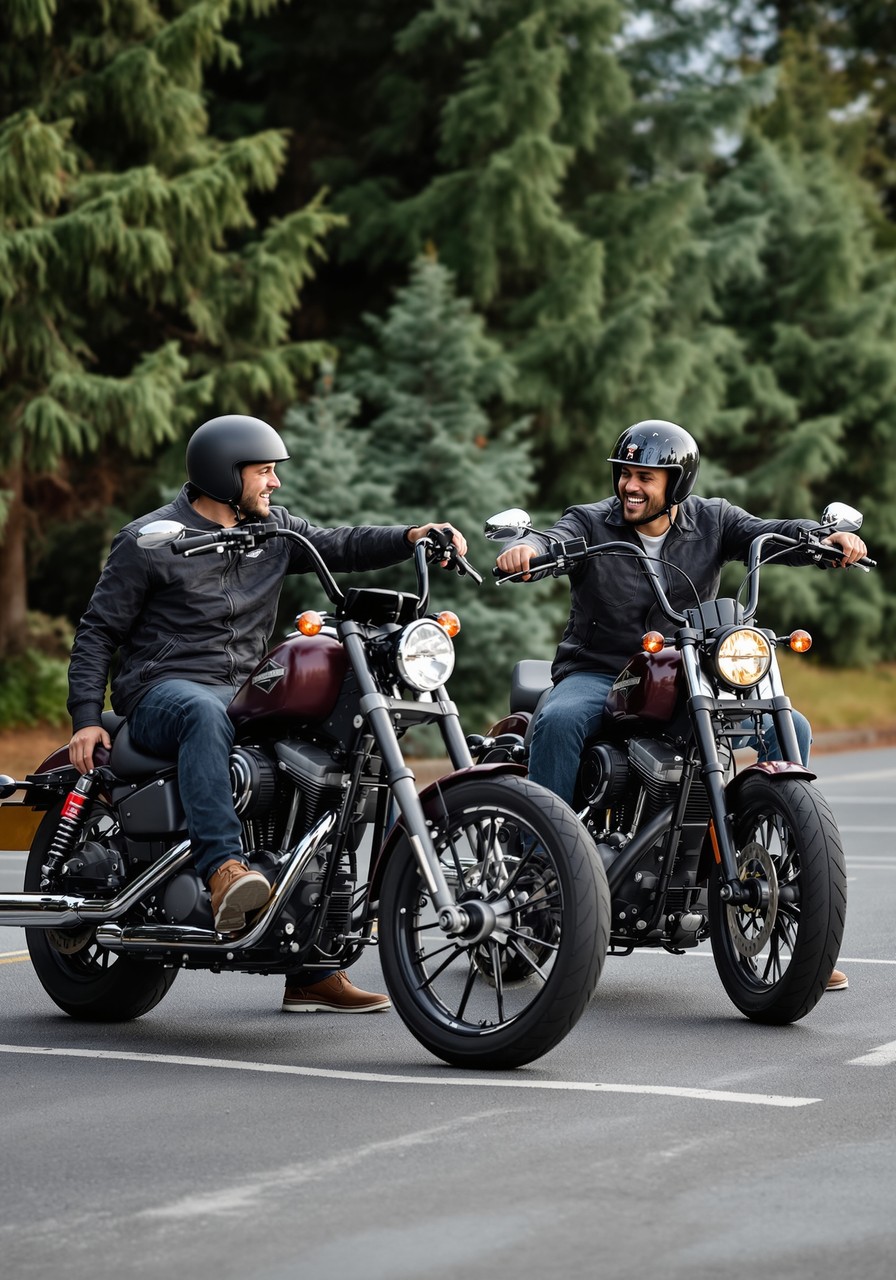
Caption this: the exact moment the rain clears and you sprint to the garage. Give it words. #RideNationWA #PNWMoto #TwoWheels
Giveaway & Countdown
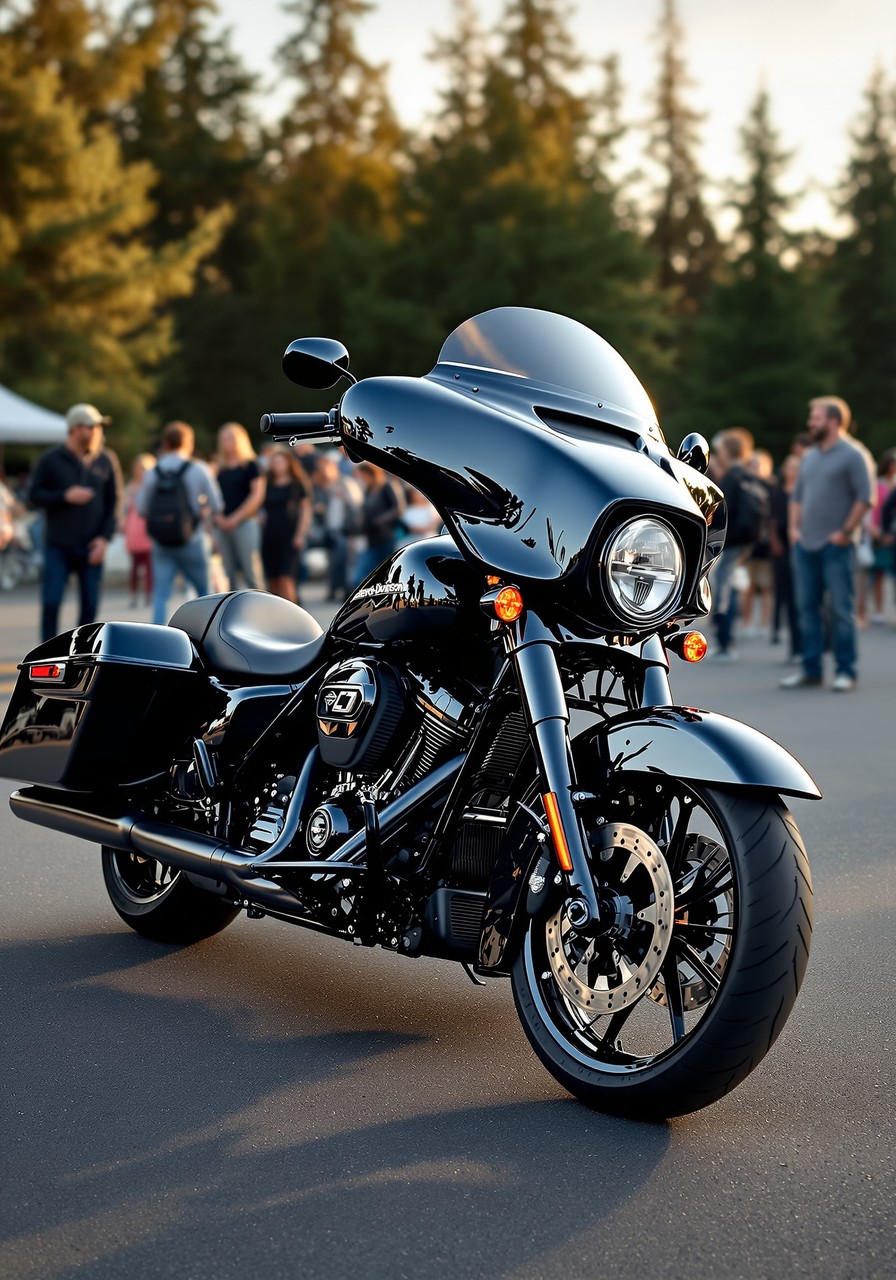
Spread the word across the PNW. The more riders who know about the BikersWin $20,000 giveaway, the bigger the party. #RideNationWA #BikersWin #WashingtonRiders
Local WA & Rides
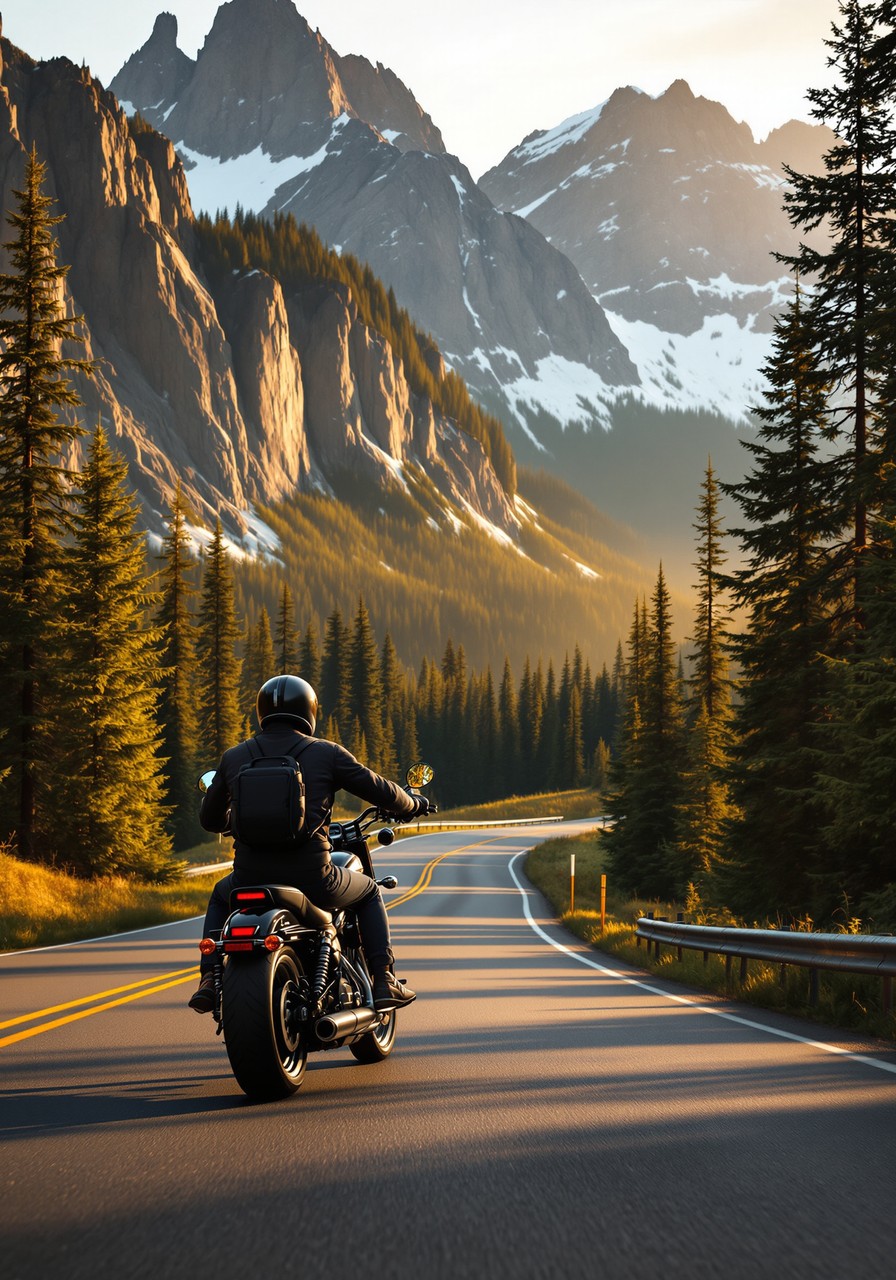
Deer own the peninsula backroads at dusk. On US-101 near the Hood Canal, ease off as the light drops and scan the shoulders. #RideNationWA #OlympicPeninsula #WashingtonRiders
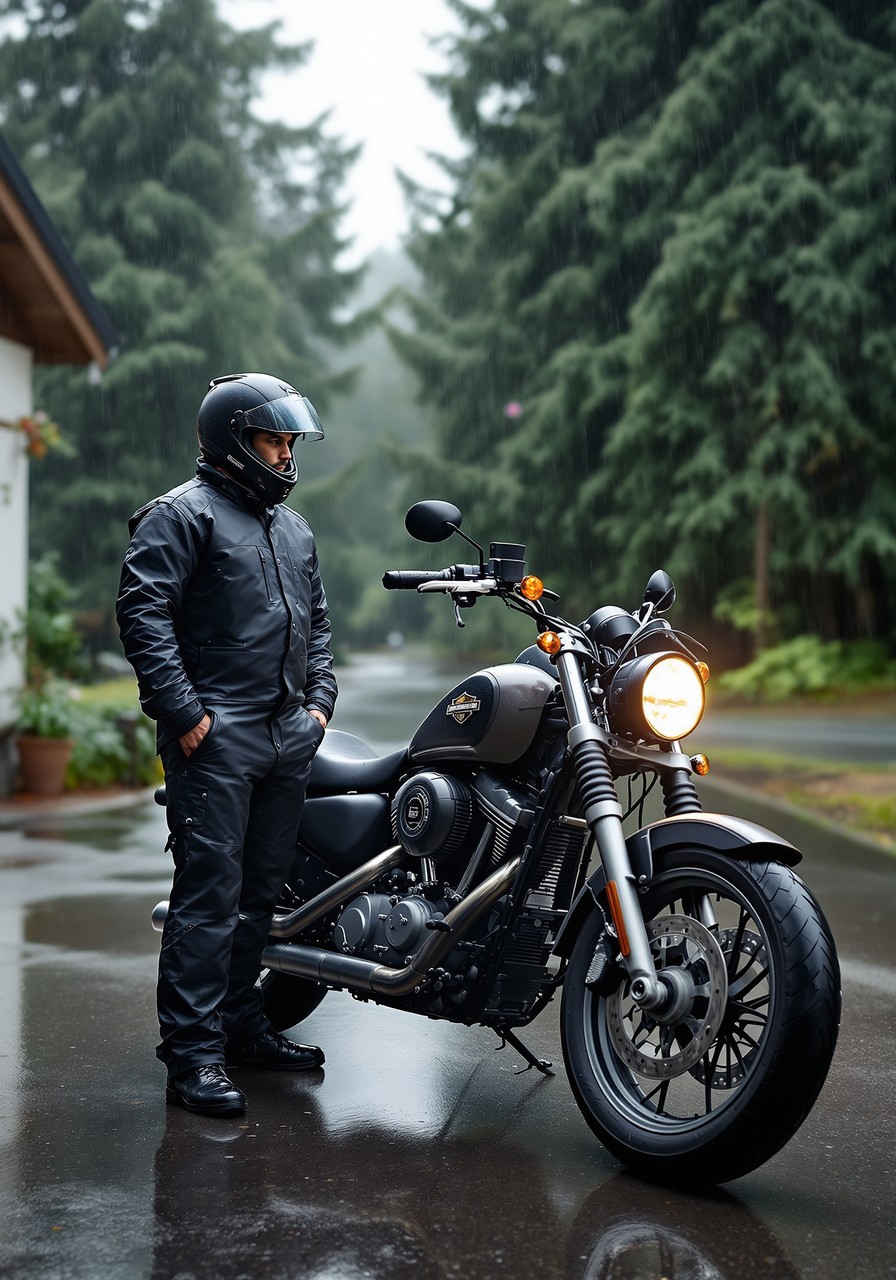
Gear & New Iron
Layering beats one thick coat. Base layer to wick, mid layer to insulate, waterproof shell on top. You stay dry, warm, and able to move. #RideNationWA #GearUp #RiderTips
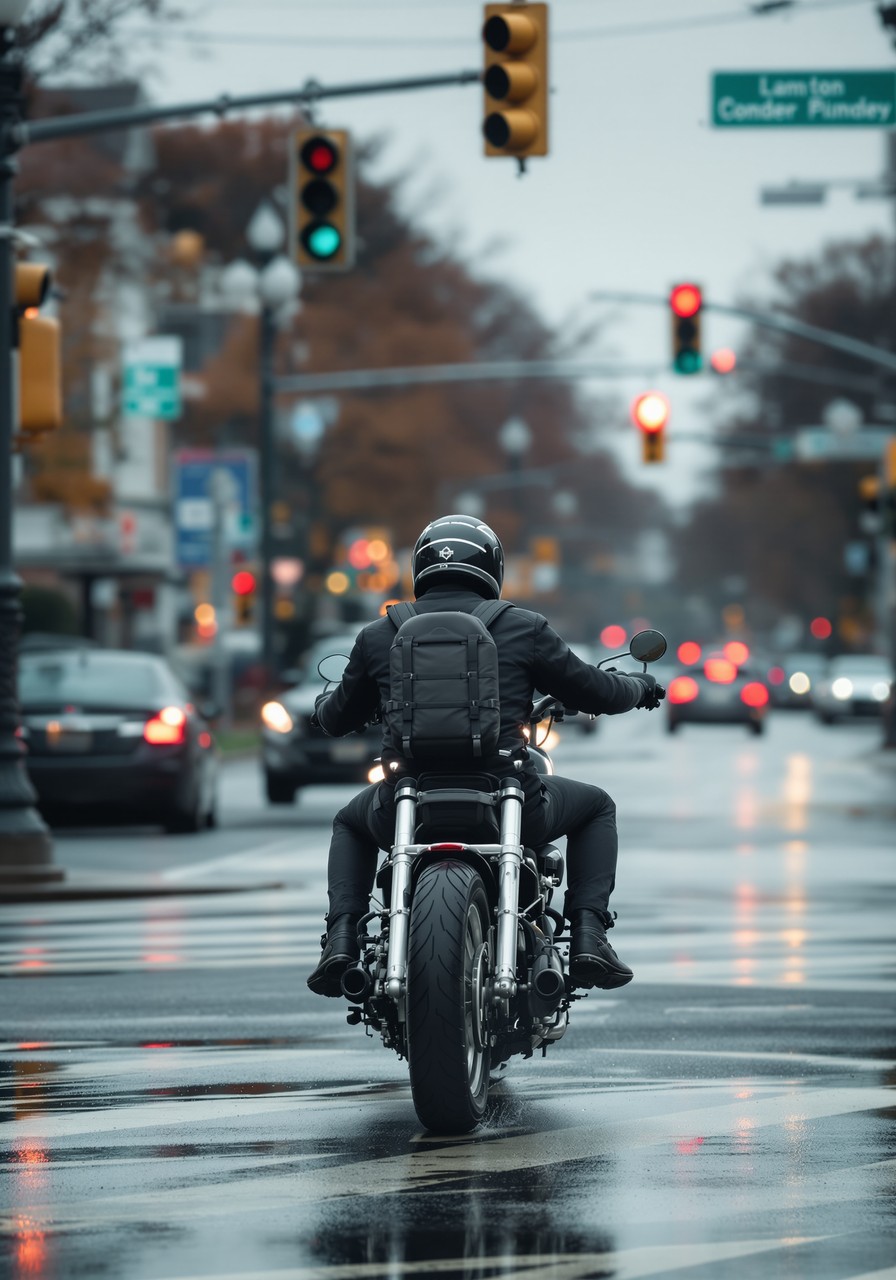
Safety & WA Law
Being partly at fault does not end your claim in Washington. Pure comparative negligence means you can still recover, just reduced by your percentage. Not sure how that plays out for you? Call Washington Injury Law at (833) 388-2453. #RideNationWA #KnowYourRights #RiderRights
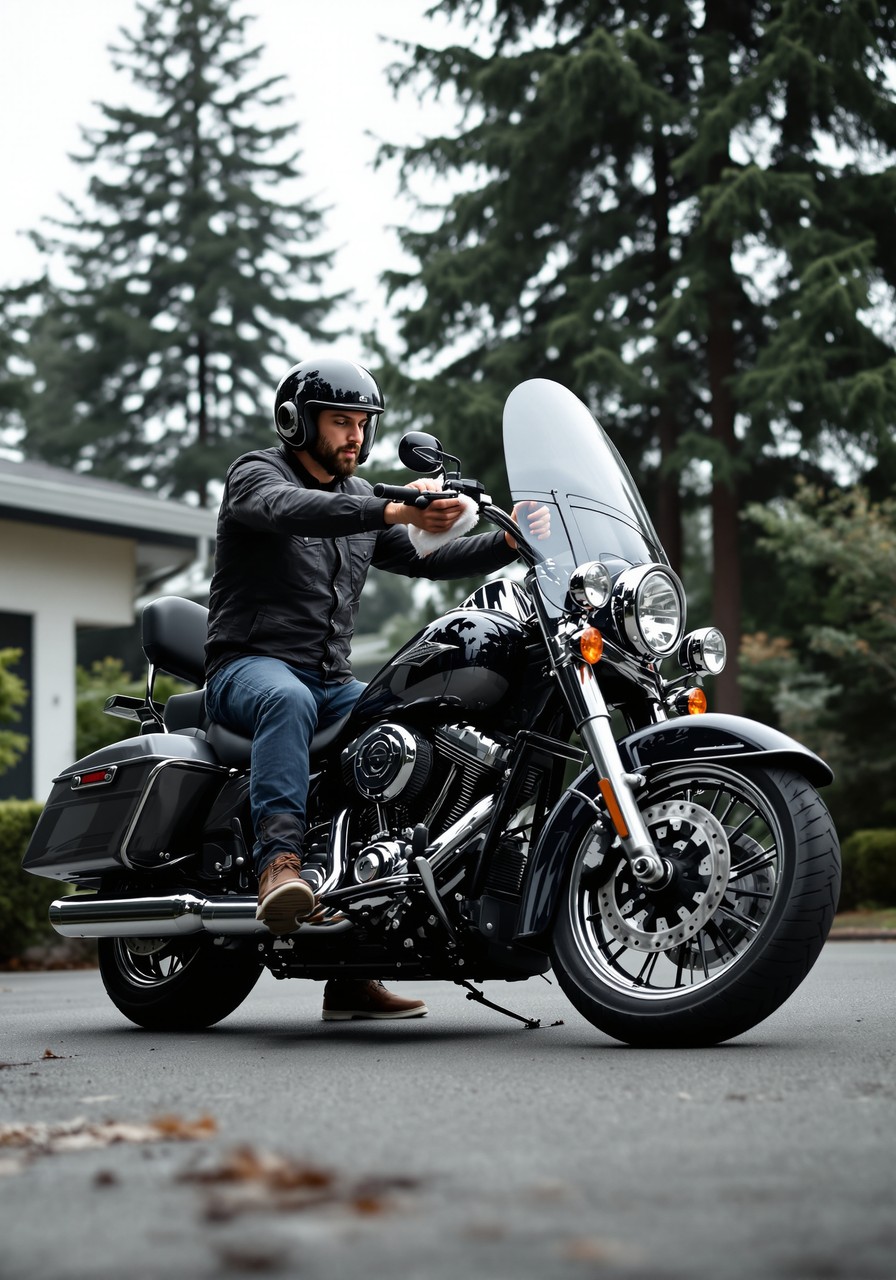
Engagement
This or that: a slow Puget Sound ferry ride with the bike on the deck or a full day chasing dry pavement. Which winter mood? #RideNationWA #PacificNorthwest #SeattleRiders
Giveaway & Countdown
Your entry is one phone call away. Talk to Washington Injury Law about your crash and get in the running for $20,000. (833) 388-2453. #RideNationWA #20kGiveaway #PNWMoto
Local WA & Rides
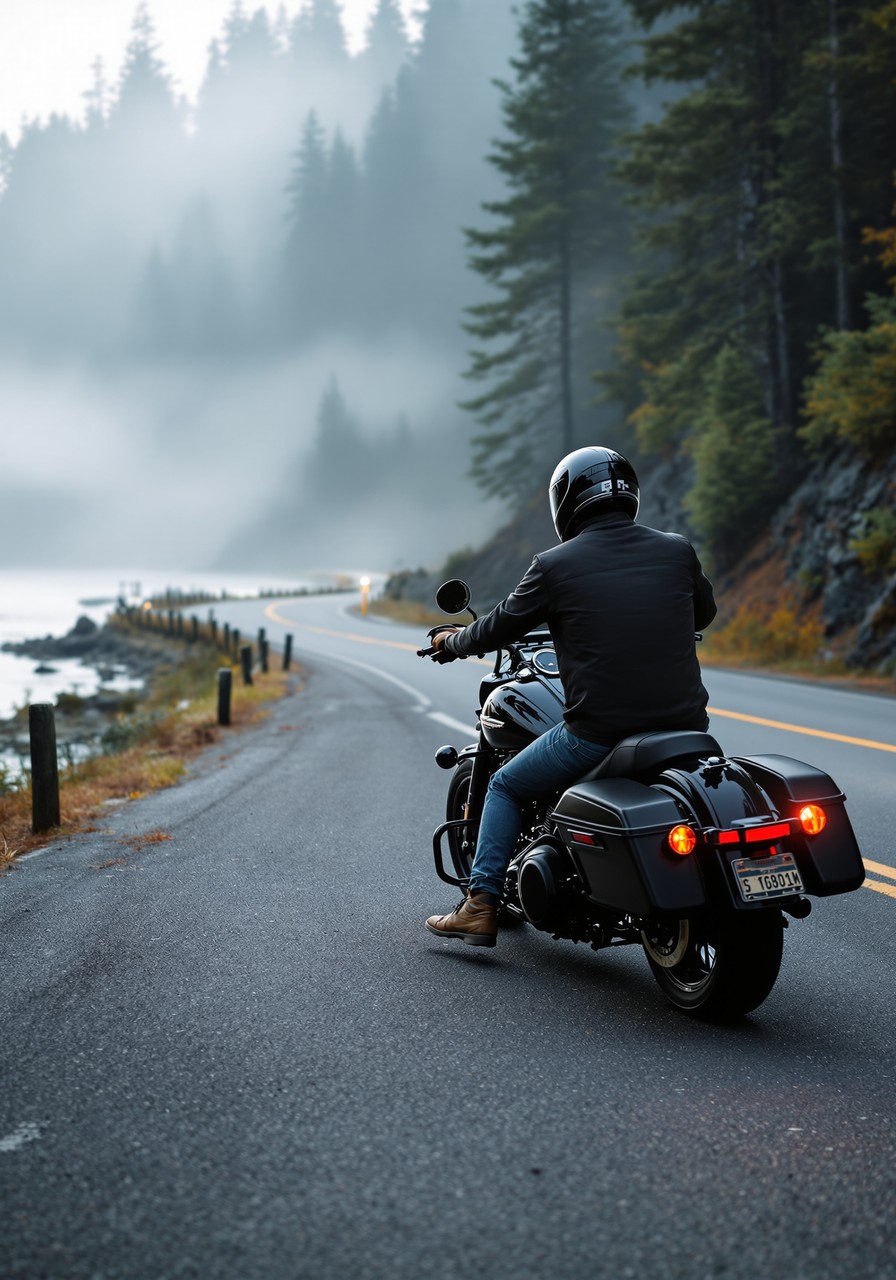
Wet leaves and moss build up on the shady corners this time of year. Aurora and the side streets off SR-99 hide them, so brake early and stand it up. #RideNationWA #SeattleRiders
Gear & New Iron
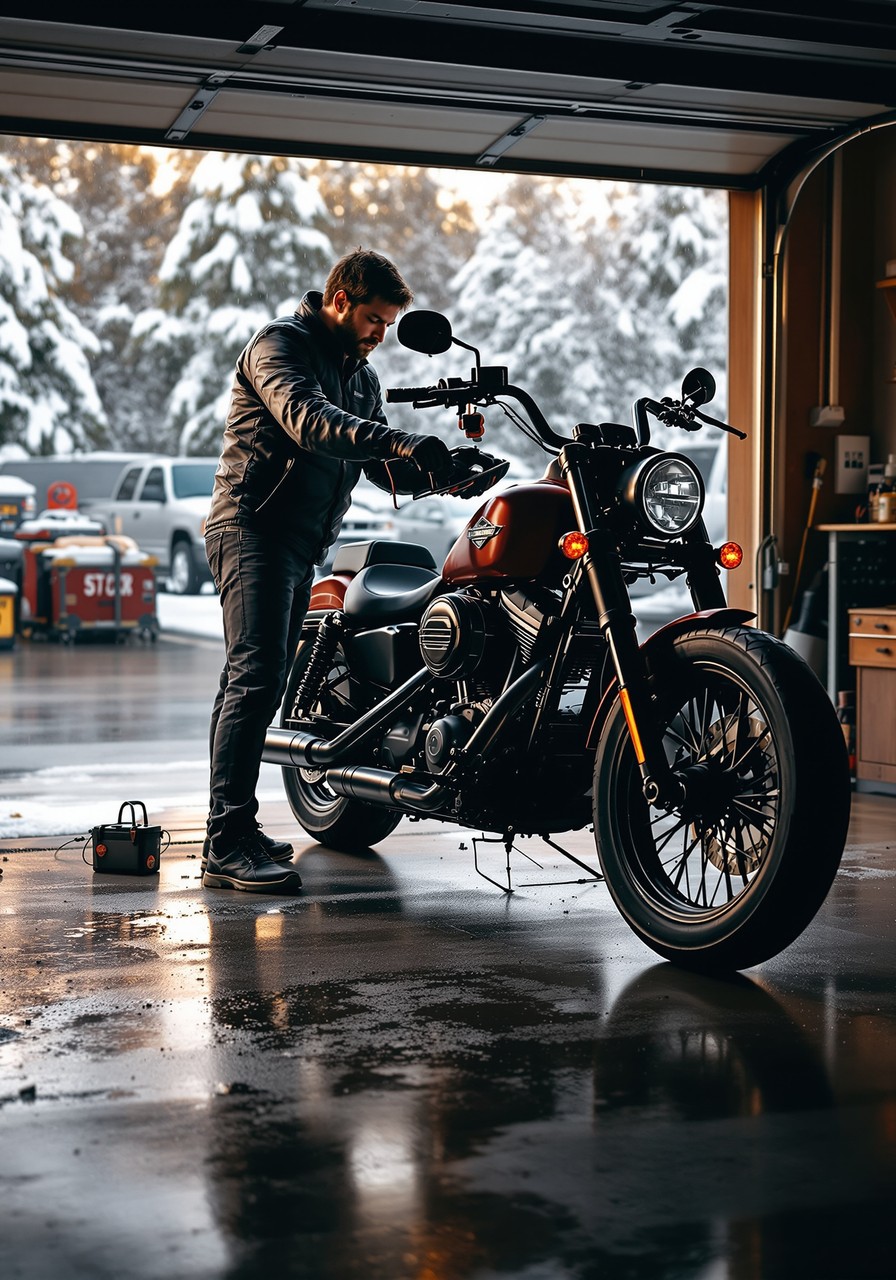
A good base layer is quiet gear that does loud work. Wicking material keeps sweat off your skin so you do not get the cold chills over a long pass. #RideNationWA #GearUp #PNWMoto
Safety & WA Law
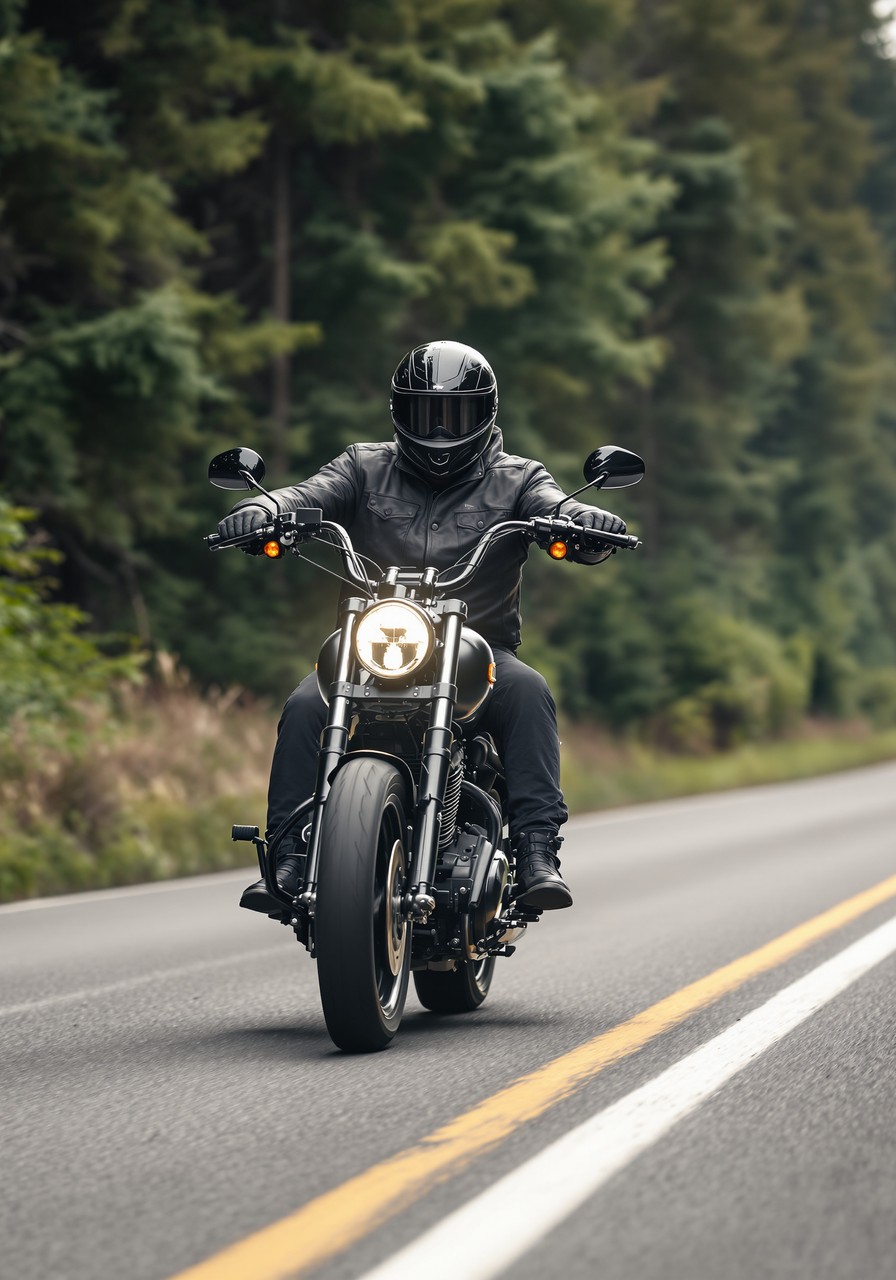
Rain is the default here, not the exception. Fresh rain lifts oil off the pavement and makes the first twenty minutes the most slippery. Ease into it. #RideNationWA #PNWMoto #MotorcycleSafety
Engagement
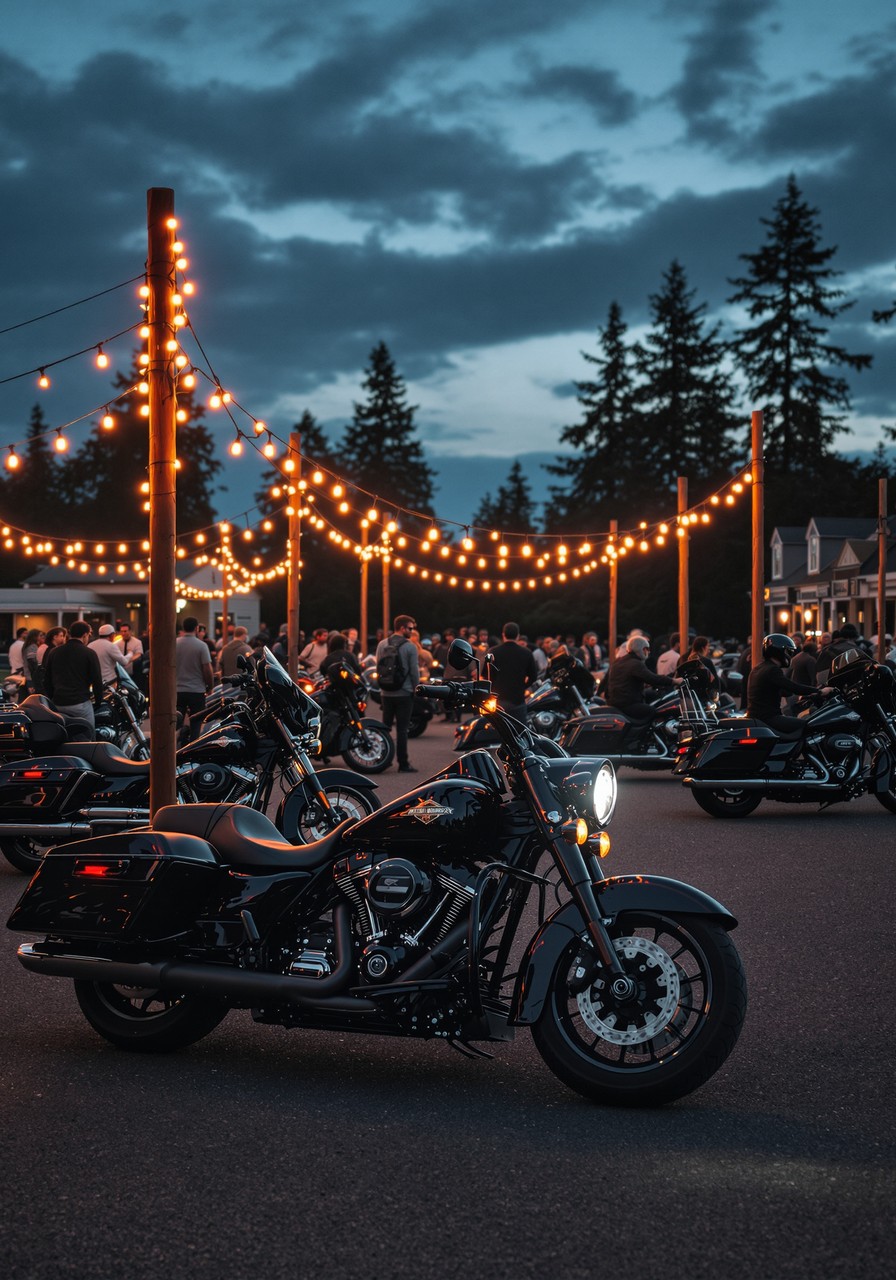
First bike or dream bike. Post a photo of one of them in the comments. #RideNationWA #TwoWheels #WashingtonRiders
Giveaway & Countdown
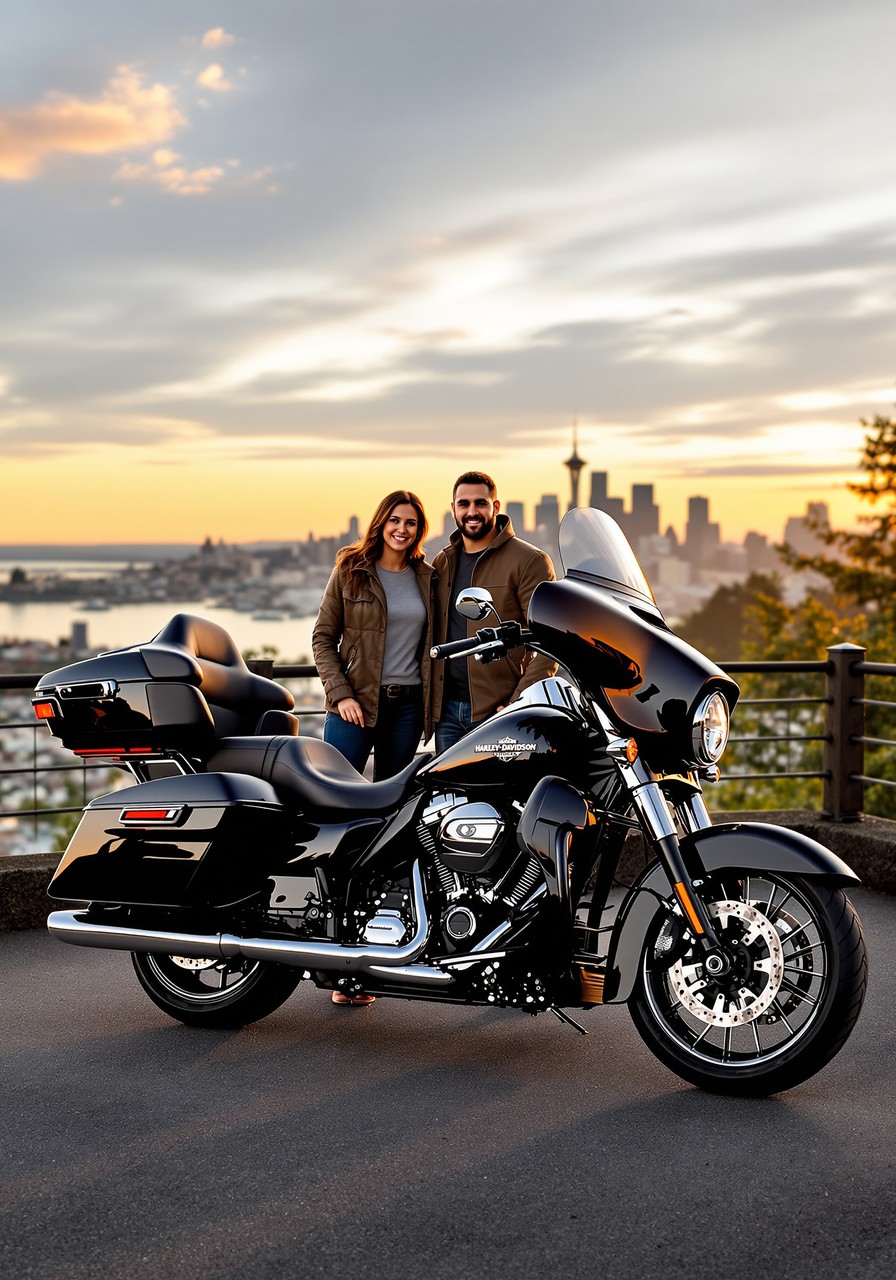
Countdown check, Sea-Tac. Have you gotten yourself entered in the BikersWin giveaway yet? #RideNationWA #MotorcycleGiveaway #SeattleRiders
Local WA & Rides
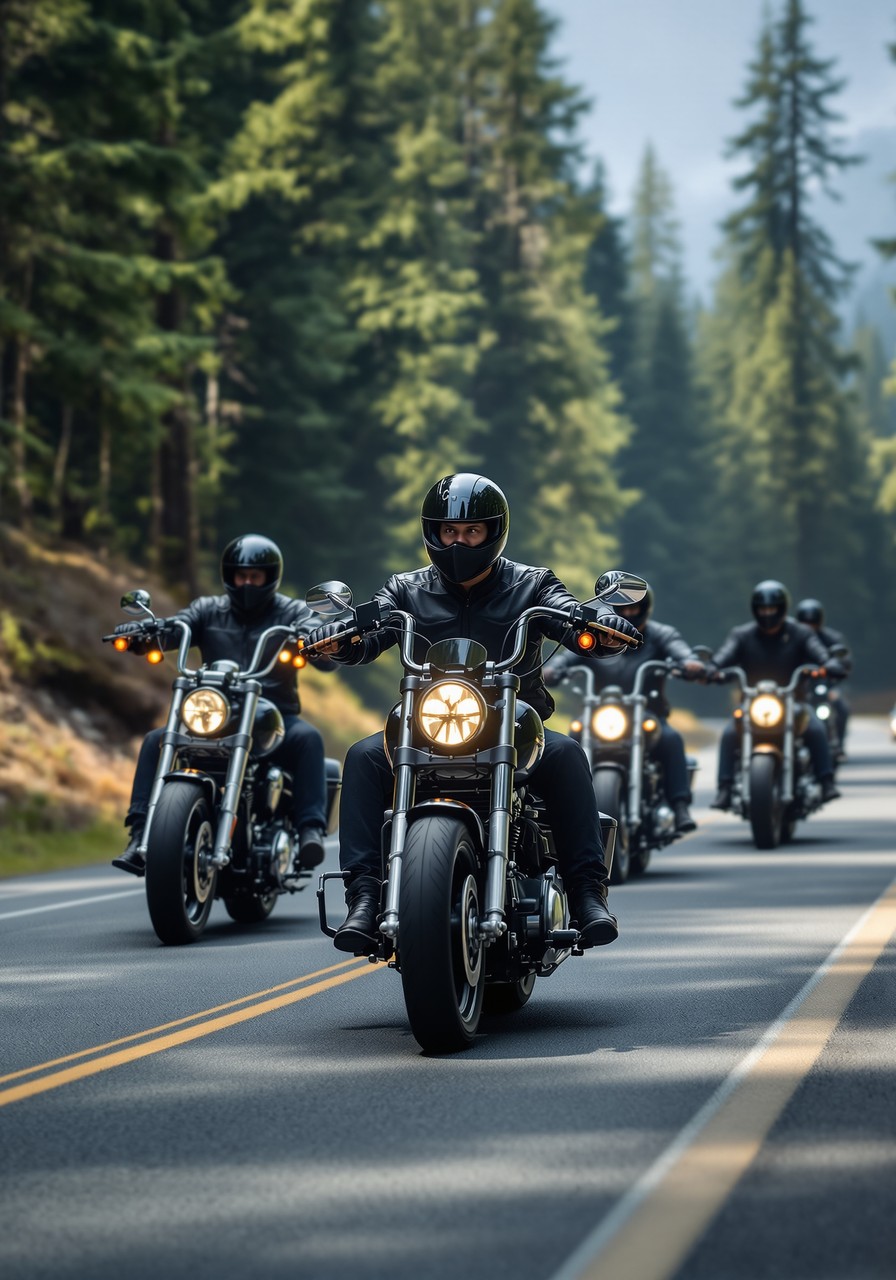
First pass run of spring hits different. When the chain-up signs finally come down on Snoqualmie, you already know where we are headed. #RideNationWA #SnoqualmiePass #PNWMoto
Gear & New Iron
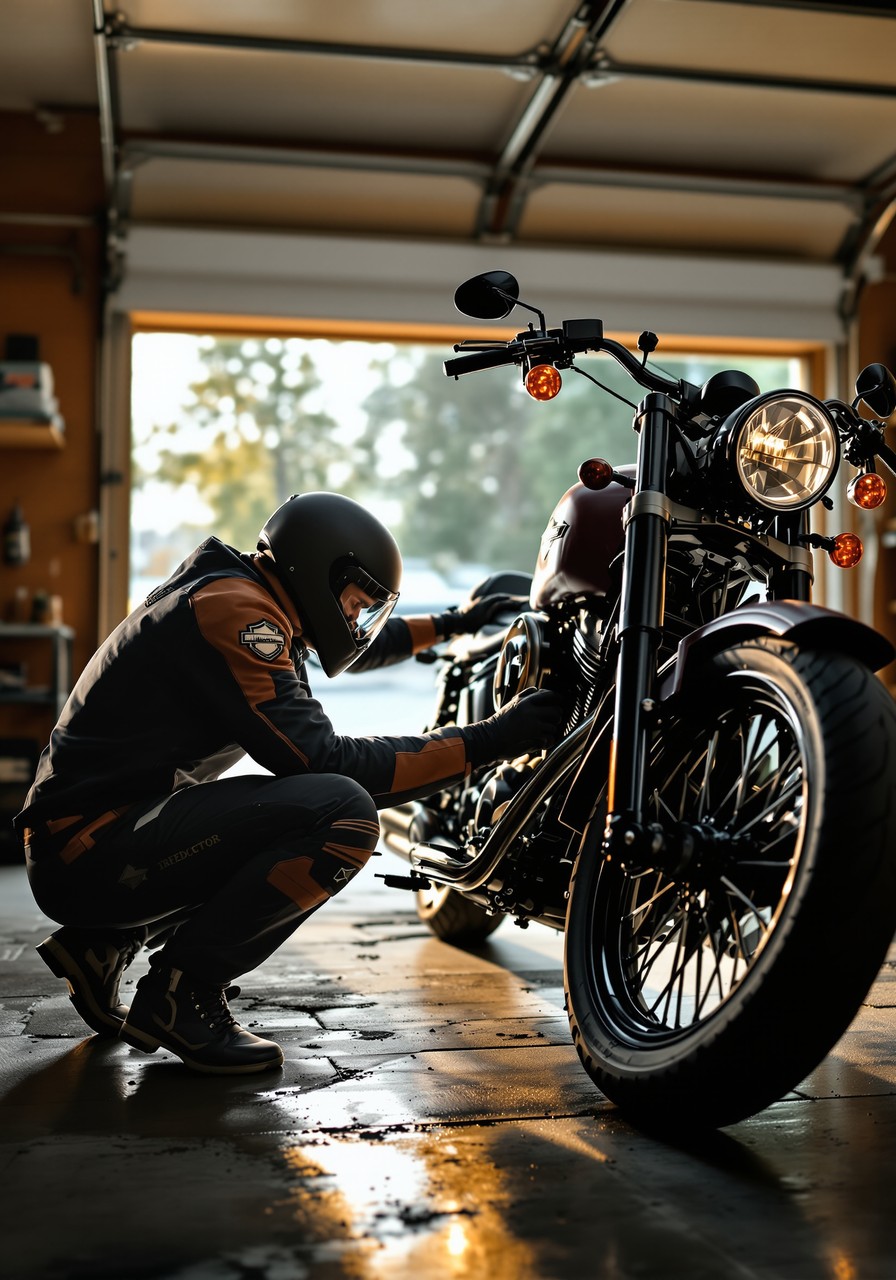
Grey wet Seattle days eat your visibility. Hi-viz on your jacket or a bright helmet buys you seconds from the driver who almost did not see you. #RideNationWA #GearUp #SeattleRiders
Safety & WA Law
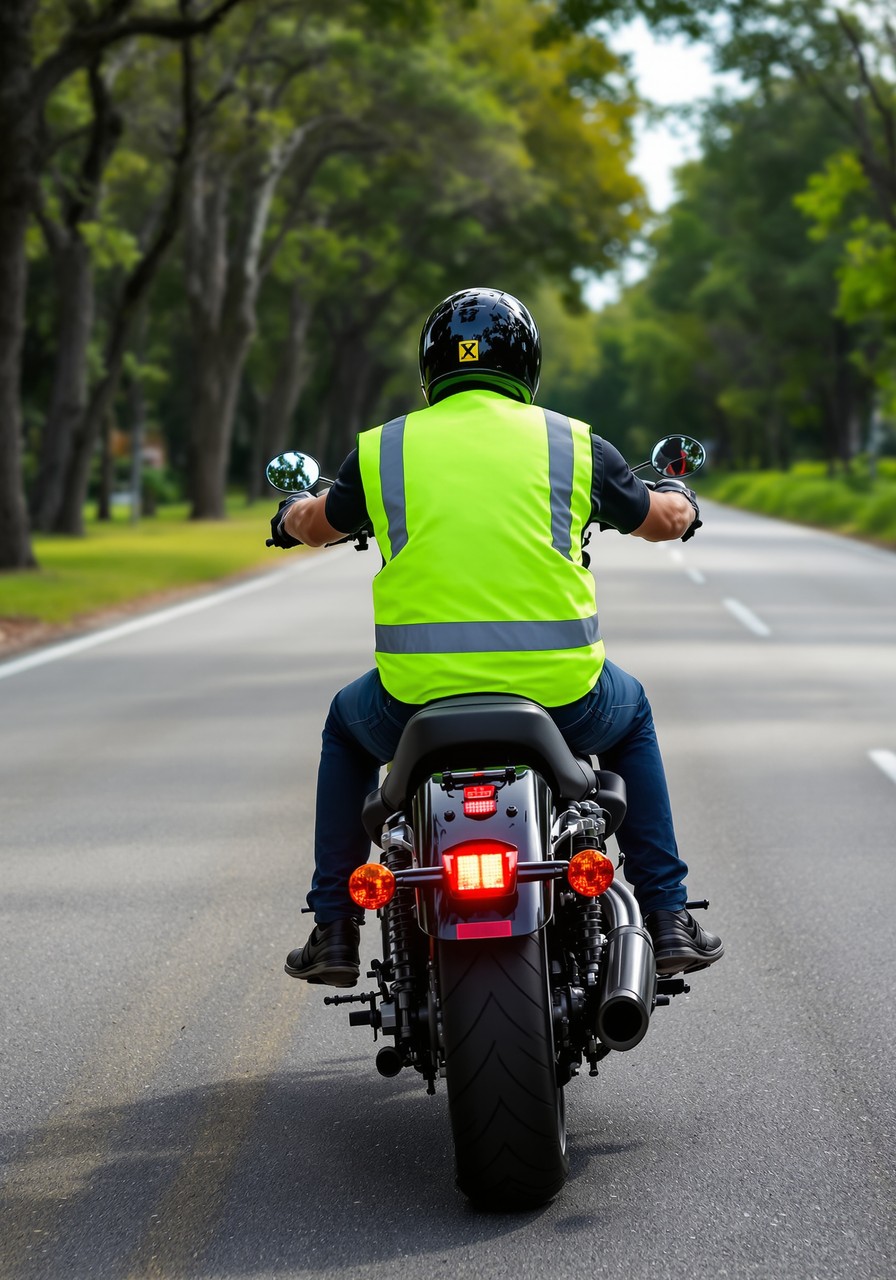
Hi-viz gear is not about looking loud, it is about being seen a half second sooner. That half second is the whole game at an intersection. #RideNationWA #ATGATT #SeattleRiders
Engagement
Fill in the blank: my winter garage project this year is ______. Brag a little. #RideNationWA #PNWMoto #TwoWheels
Giveaway & Countdown
Twenty thousand dollars toward your next ride. That is what the BikersWin giveaway is all about. #RideNationWA #BikersWin #WashingtonRiders
Local WA & Rides
The Puget Sound ferries are half the ride out to the peninsula. Roll on first, kickstand down, and enjoy the crossing before US-101. #RideNationWA #OlympicPeninsula #WashingtonRiders
Gear & New Iron
You are hardest to see exactly when it rains most. Add a hi-viz layer for those dark PNW commutes and let drivers spot you early. #RideNationWA #GearUp #RiderTips
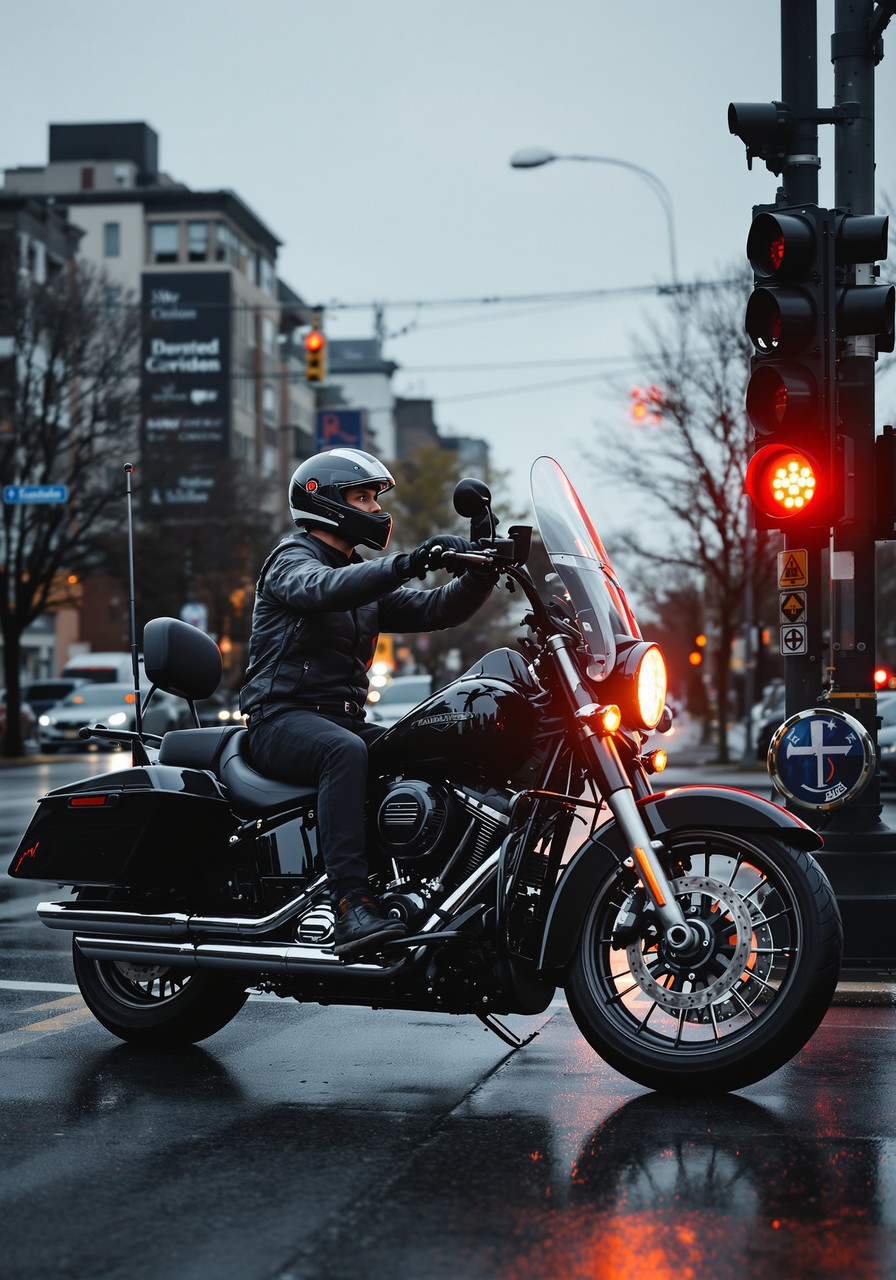
Safety & WA Law
After a crash, photograph everything before it moves: skid marks, debris, signals, the other vehicle, your gear. Evidence disappears fast. Need help knowing what matters? Call (833) 388-2453. #RideNationWA #RiderRights #KnowYourRights
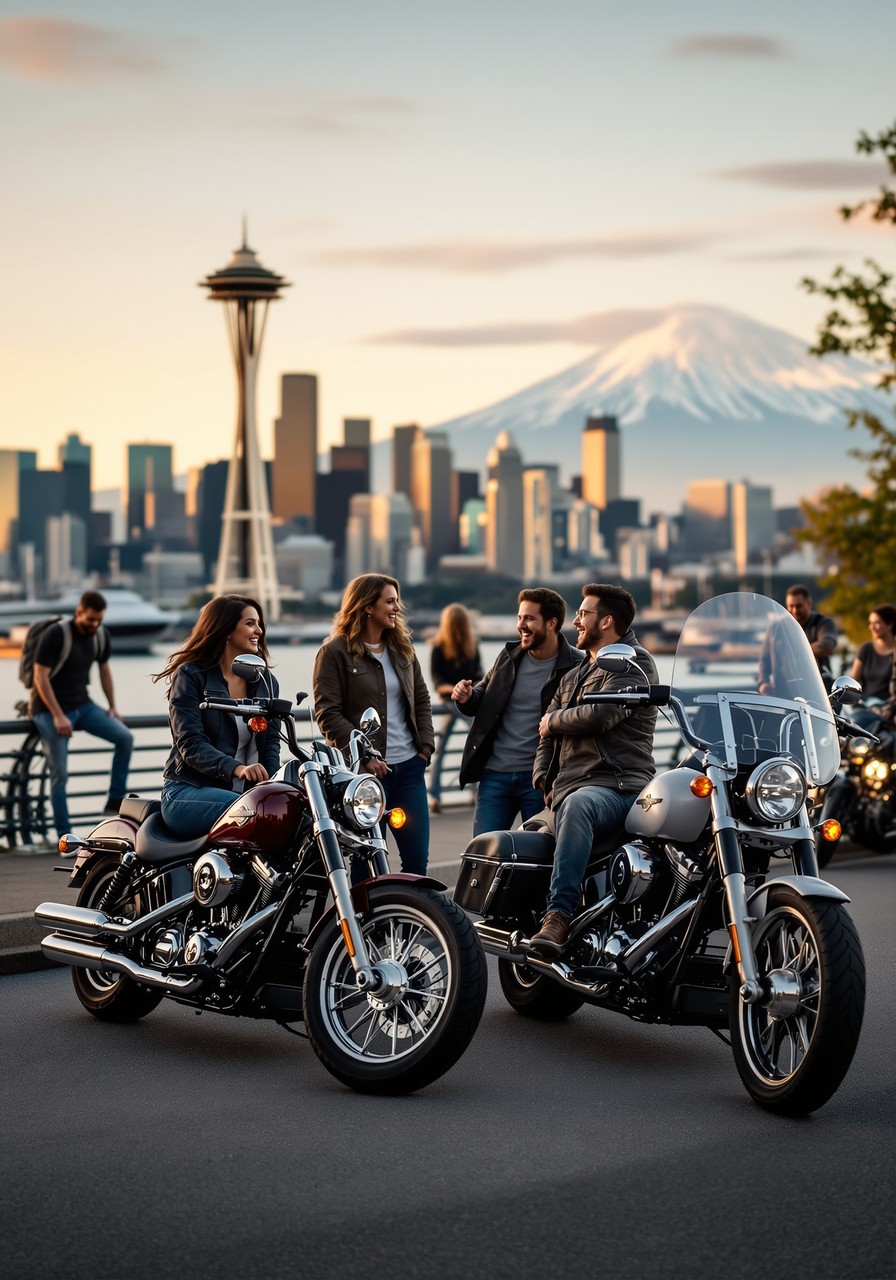
Engagement
Question: what is your go-to move when a Seattle drizzle turns into a real downpour mid-ride? #RideNationWA #SeattleRiders #PacificNorthwest
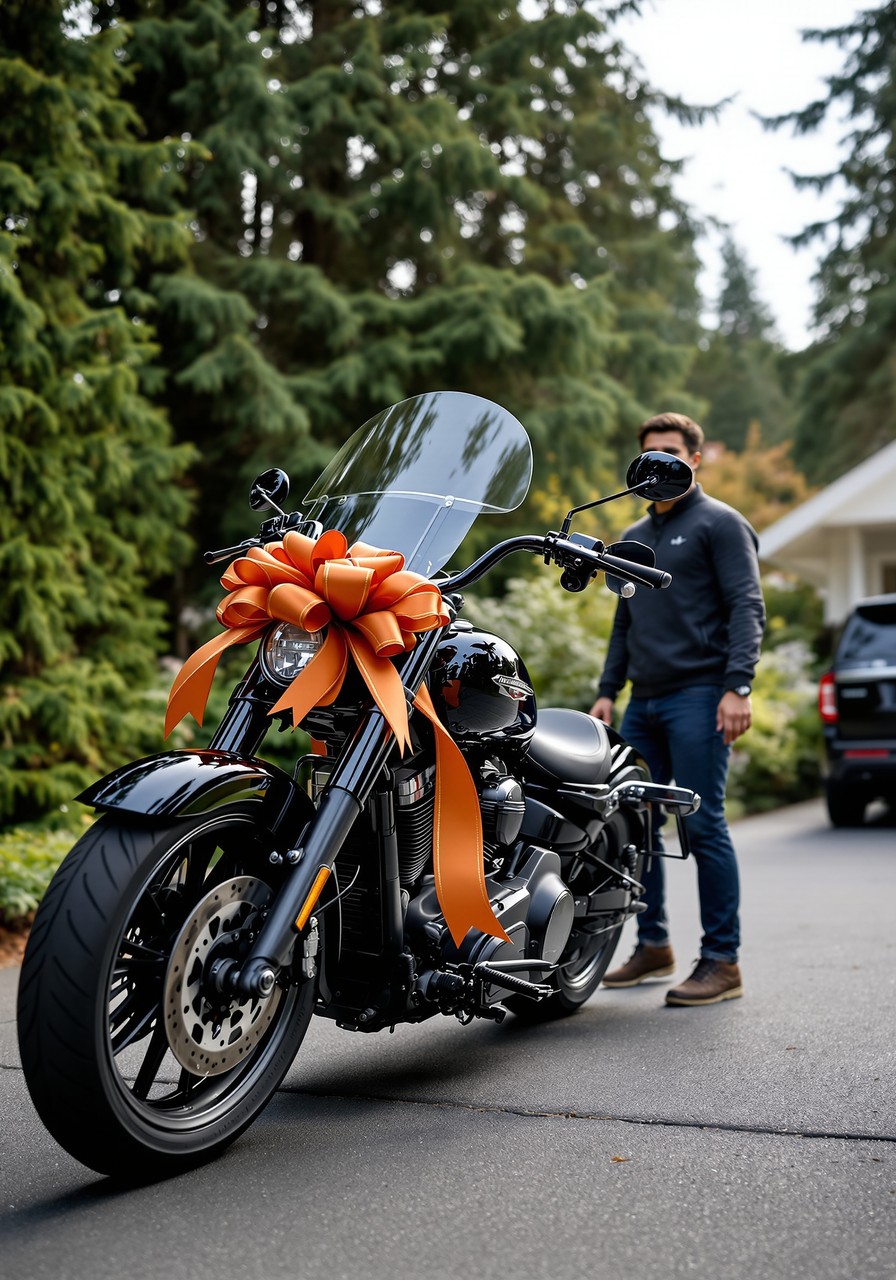
Giveaway & Countdown
Free case review, free entry, zero strings. Ask us how your crash claim gets you into the $20,000 giveaway. Call (833) 388-2453. #RideNationWA #20kGiveaway #SeattleRiders
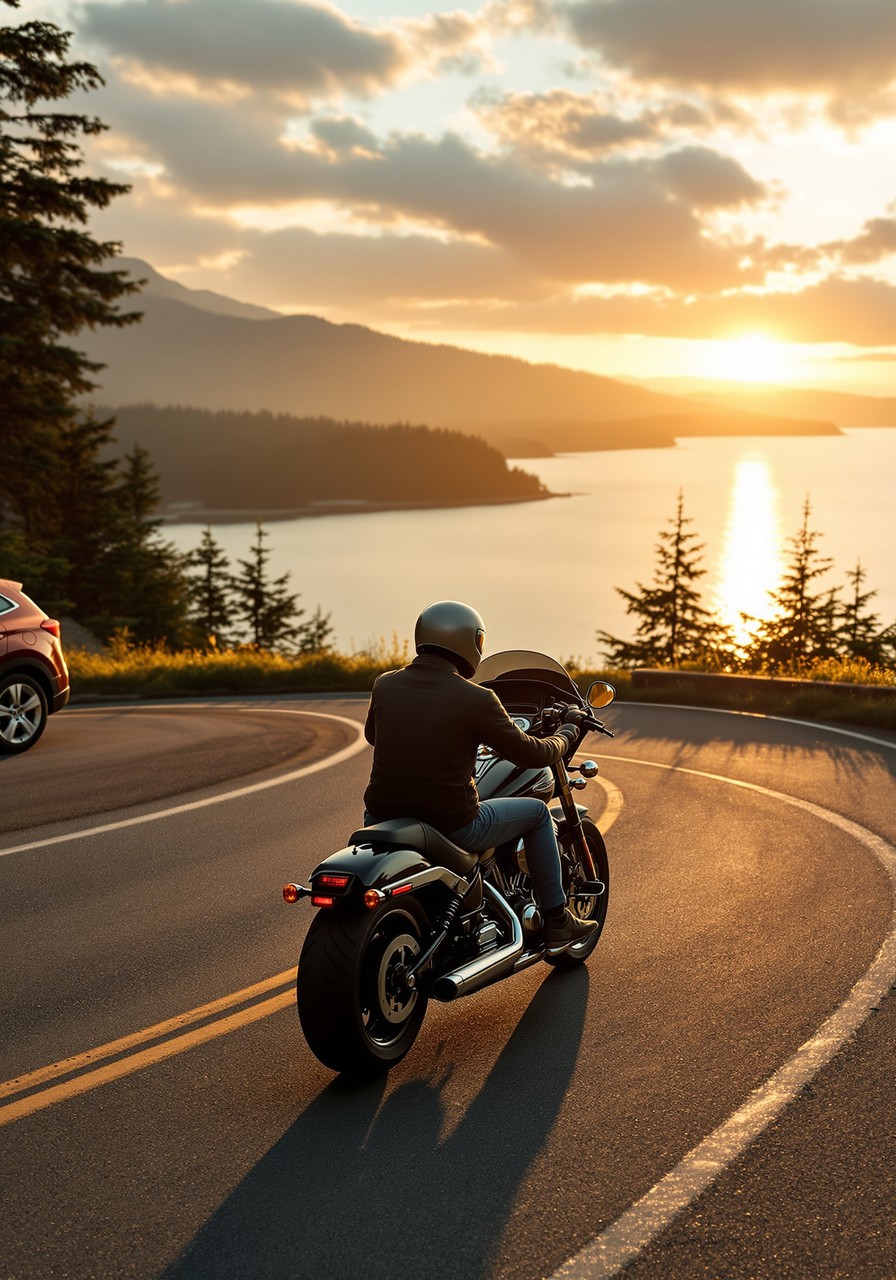
Local WA & Rides
The West Seattle Bridge back open means the Alki loop is easy again. Short, scenic, and perfect for a break in the clouds. #RideNationWA #SeattleRiders #MotorcycleRoads
Gear & New Iron
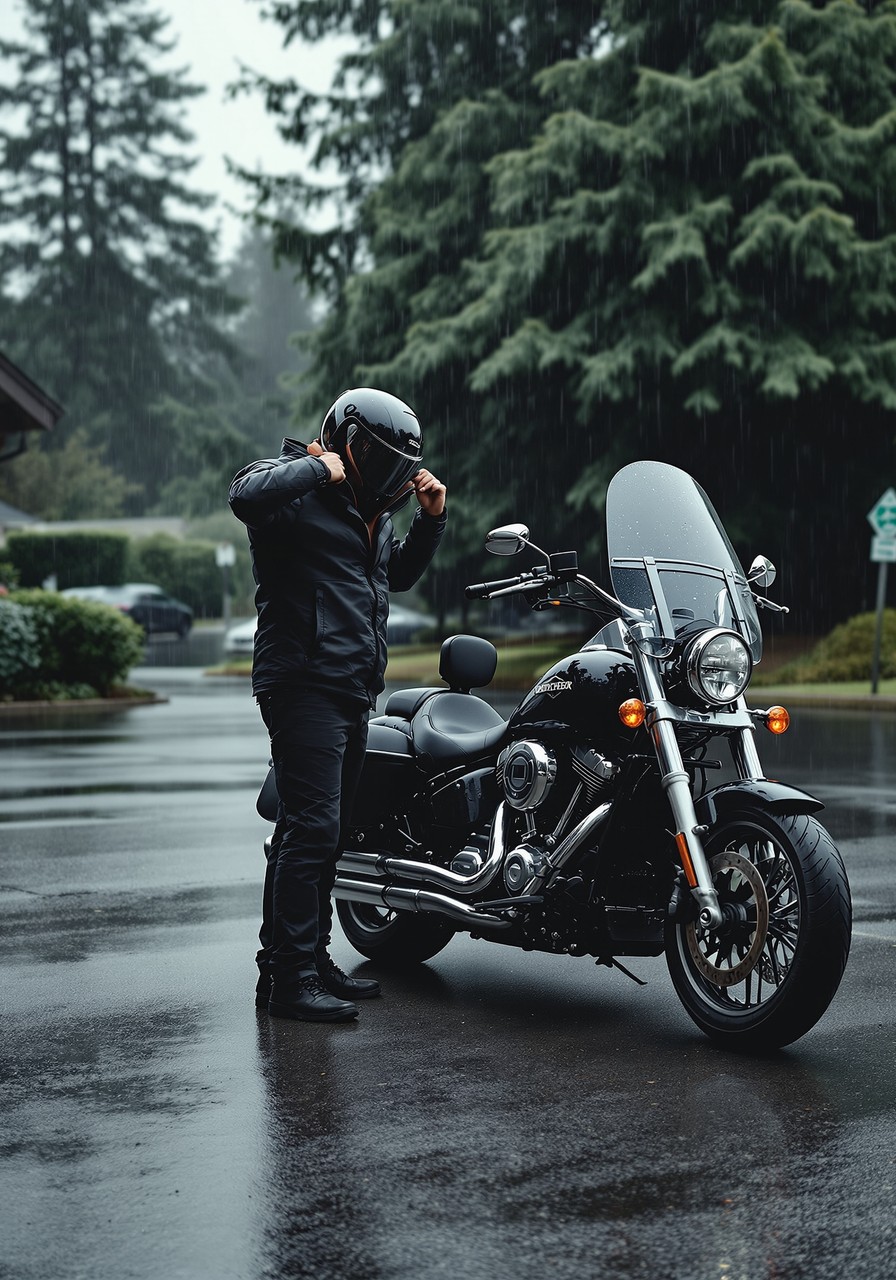
Fogged visor at a red light is a safety problem, not an annoyance. A Pinlock insert stops the fog before it starts. Best cheap upgrade you can make here. #RideNationWA #GearUp #RiderTips
Safety & WA Law
Washington is an at-fault state, which means the driver who caused the crash and their insurer are on the hook. Proving who caused it is where cases are won or lost. Call Washington Injury Law at (833) 388-2453. #RideNationWA #KnowYourRights #WashingtonRiders
Engagement
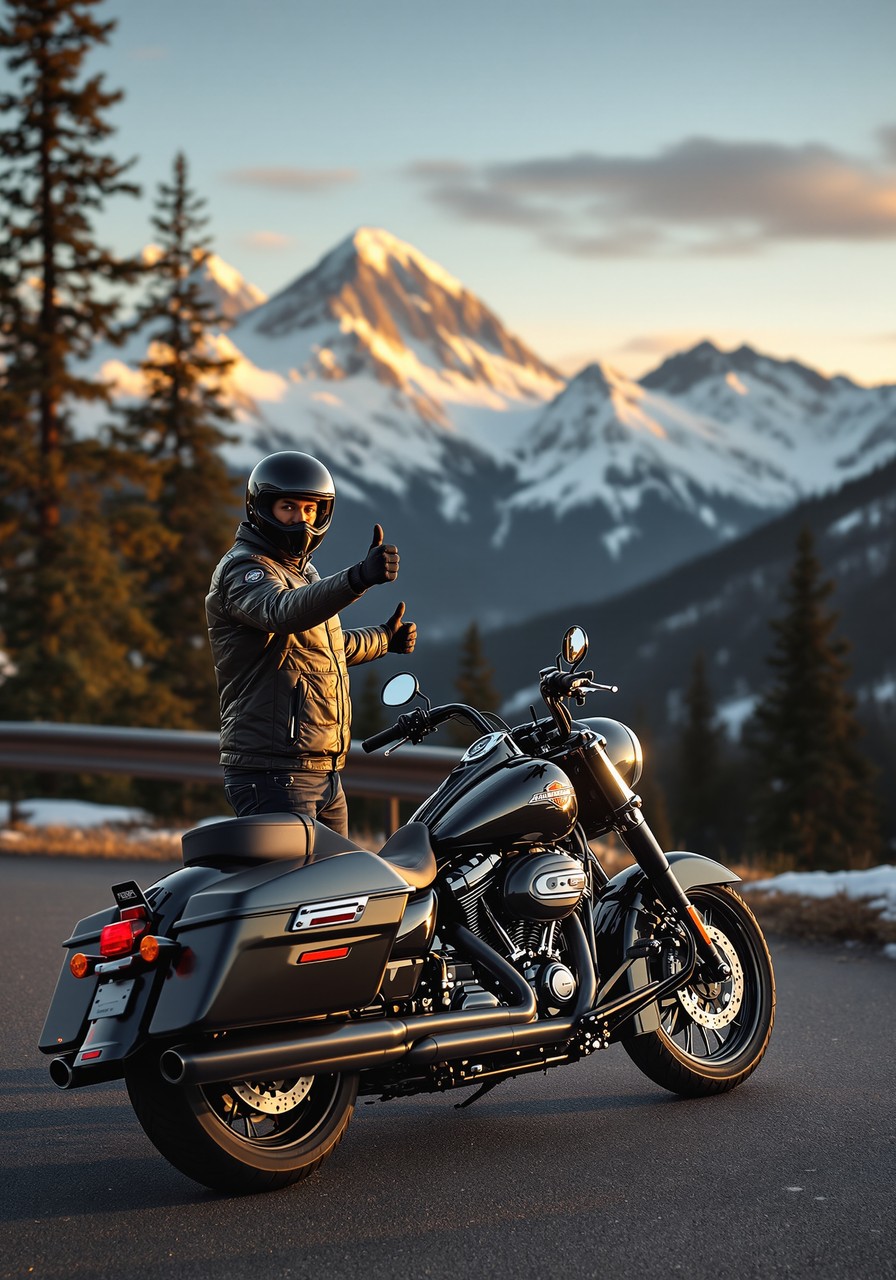
This or that: Olympic Peninsula loop or a Mount Rainier foothills run for your first spring ride. Pick your reunion road. #RideNationWA #MountRainier #PacificNorthwest
Giveaway & Countdown
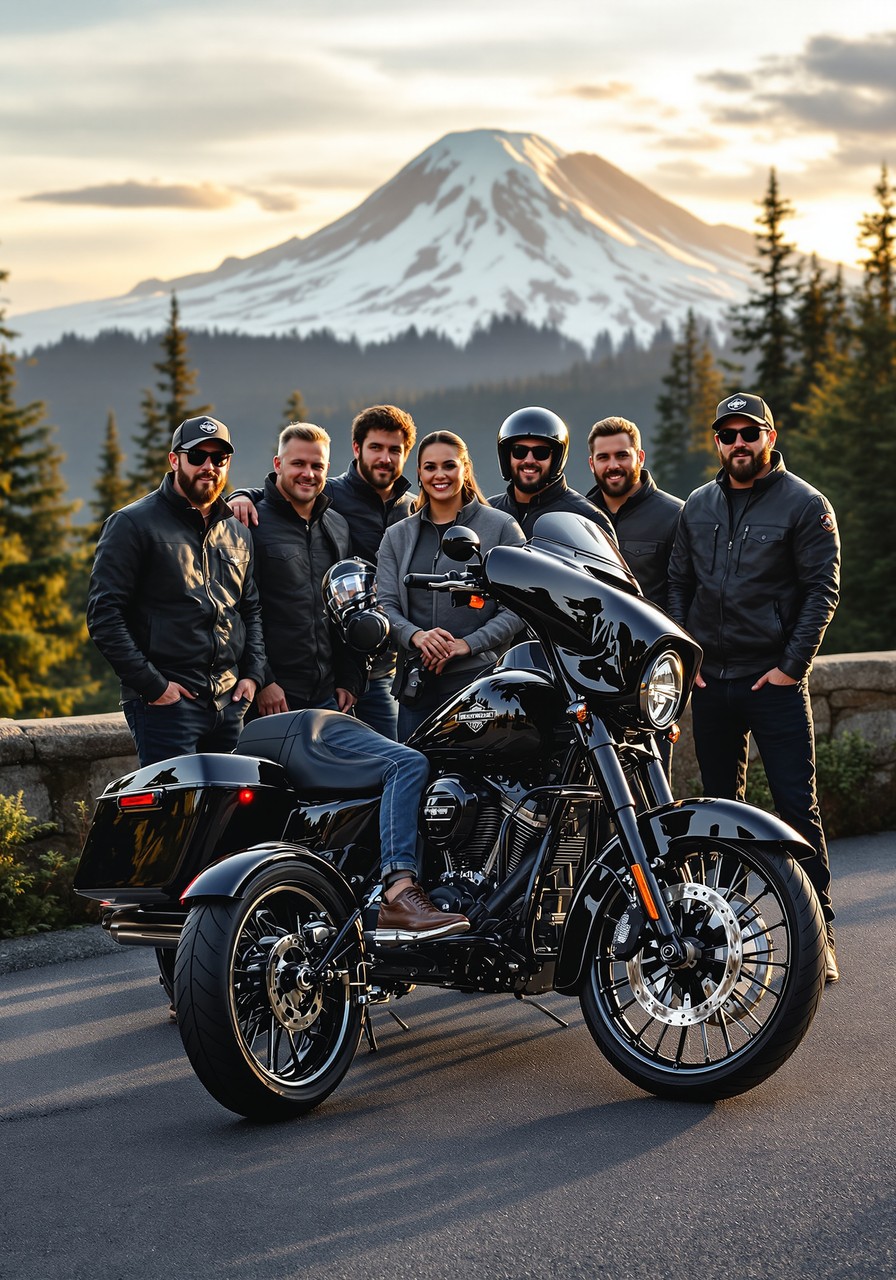
Momentum is building fast in Ride Nation Seattle. Twenty grand is on the line and the countdown does not slow down. #RideNationWA #BikersWin #PNWMoto
Local WA & Rides
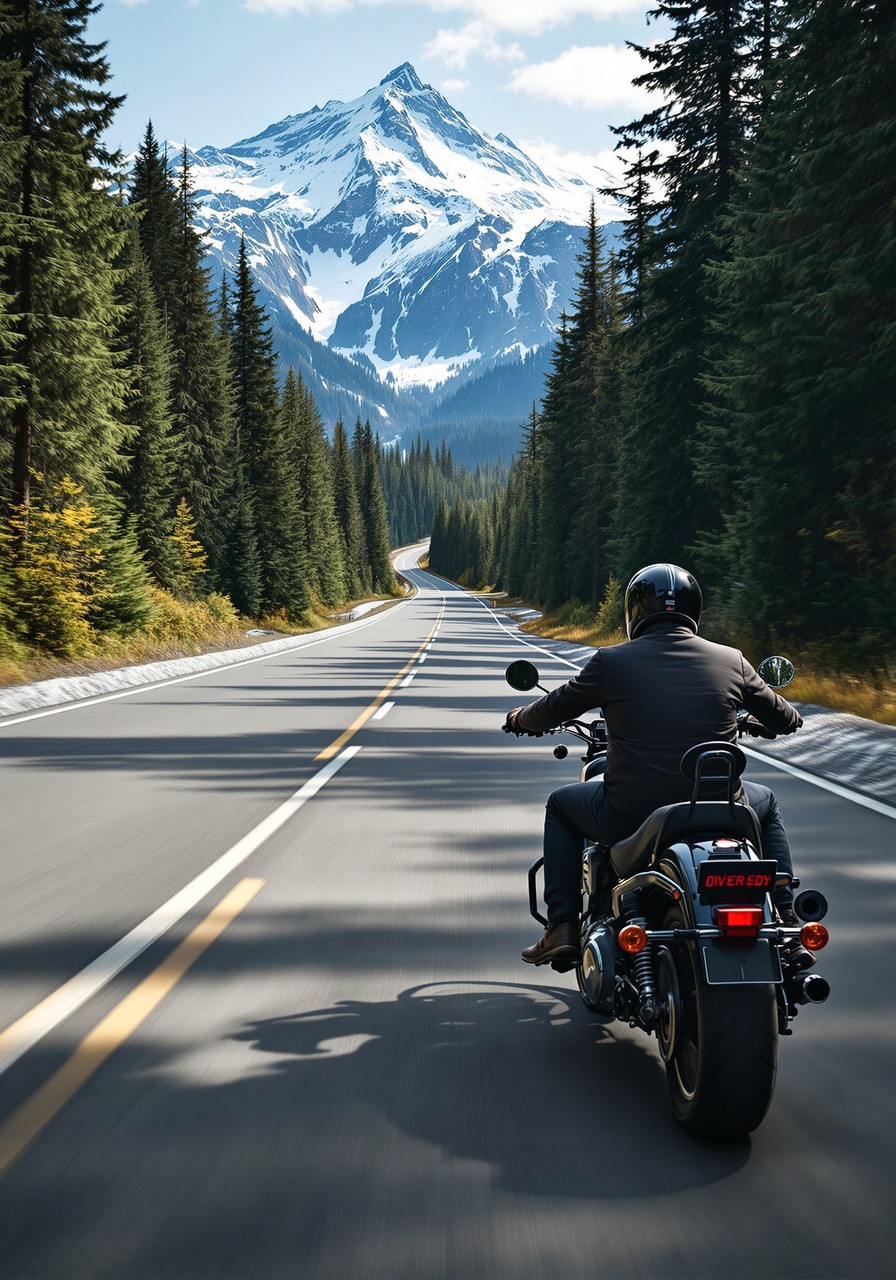
The Aurora corridor on SR-99 is all lights, tracks, and traffic. Give yourself room, cover the brakes, and read the cars two ahead. #RideNationWA #SeattleRiders
Gear & New Iron
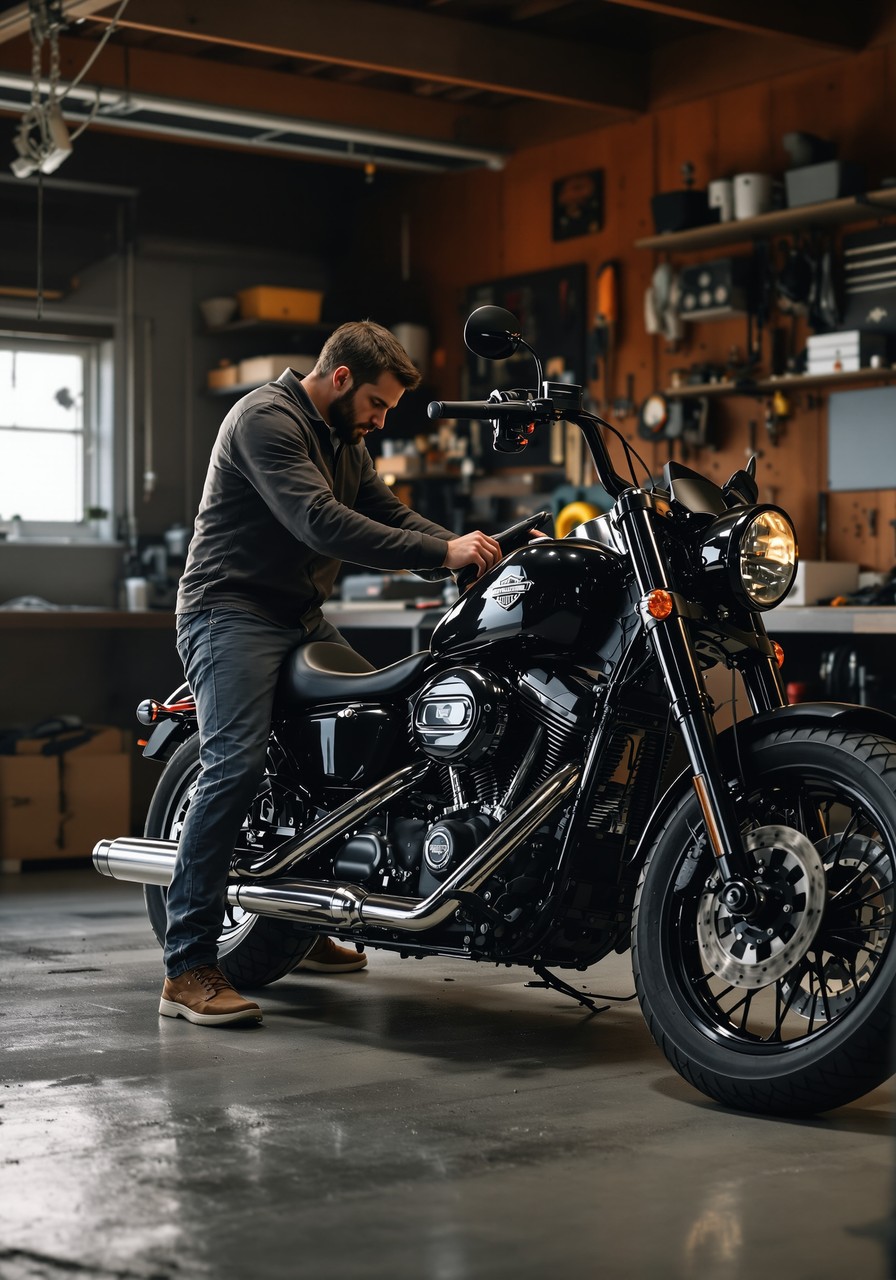
Anti-fog only works on a clean visor. Wipe the inside gently, let it dry, then apply. A smeared visor at dusk in the rain is no visibility at all. #RideNationWA #RiderTips #PNWMoto
Safety & WA Law
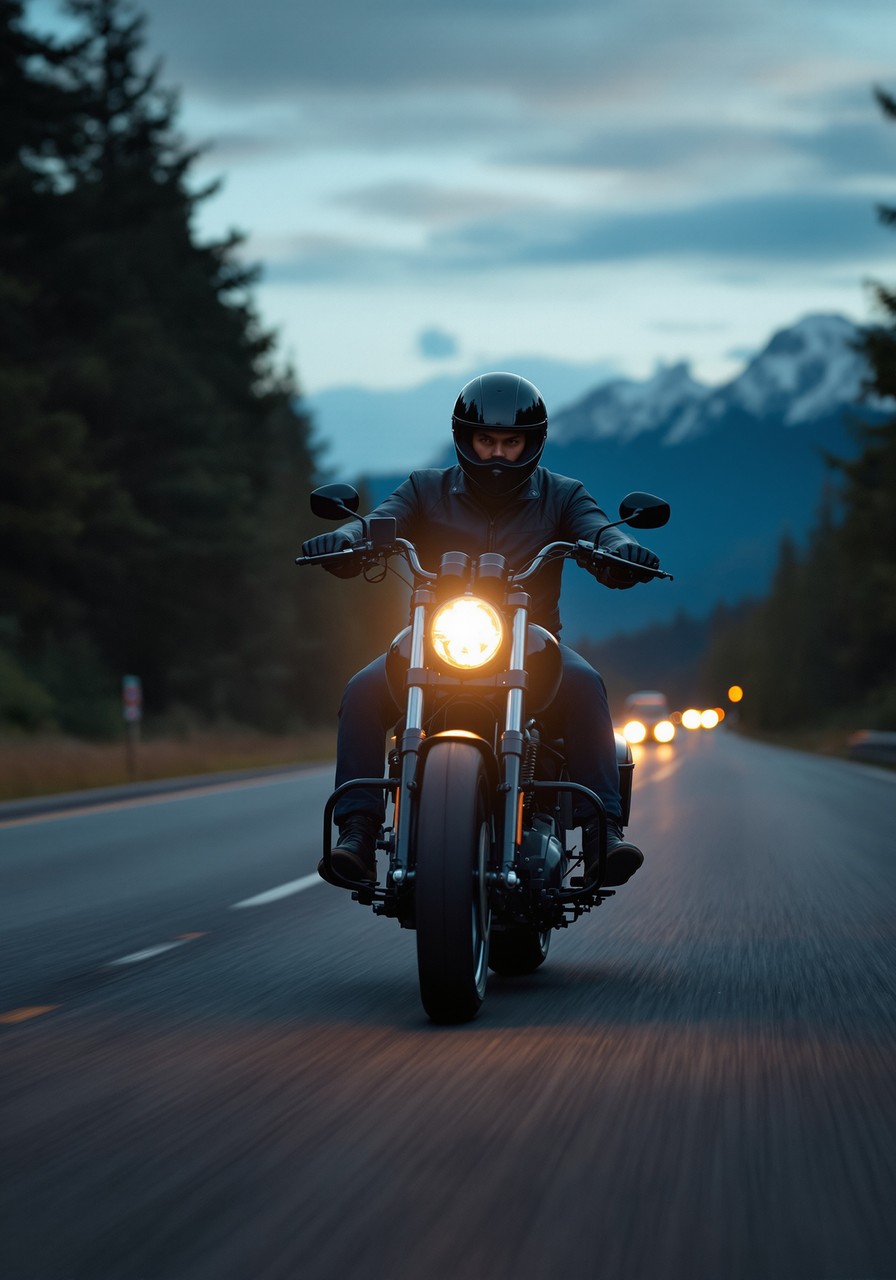
See and be seen is not a slogan, it is a survival habit. Own your lane, use your high beam in daylight when it helps, and never linger in a blind spot. #RideNationWA #MotorcycleSafety #SeattleRiders
Engagement
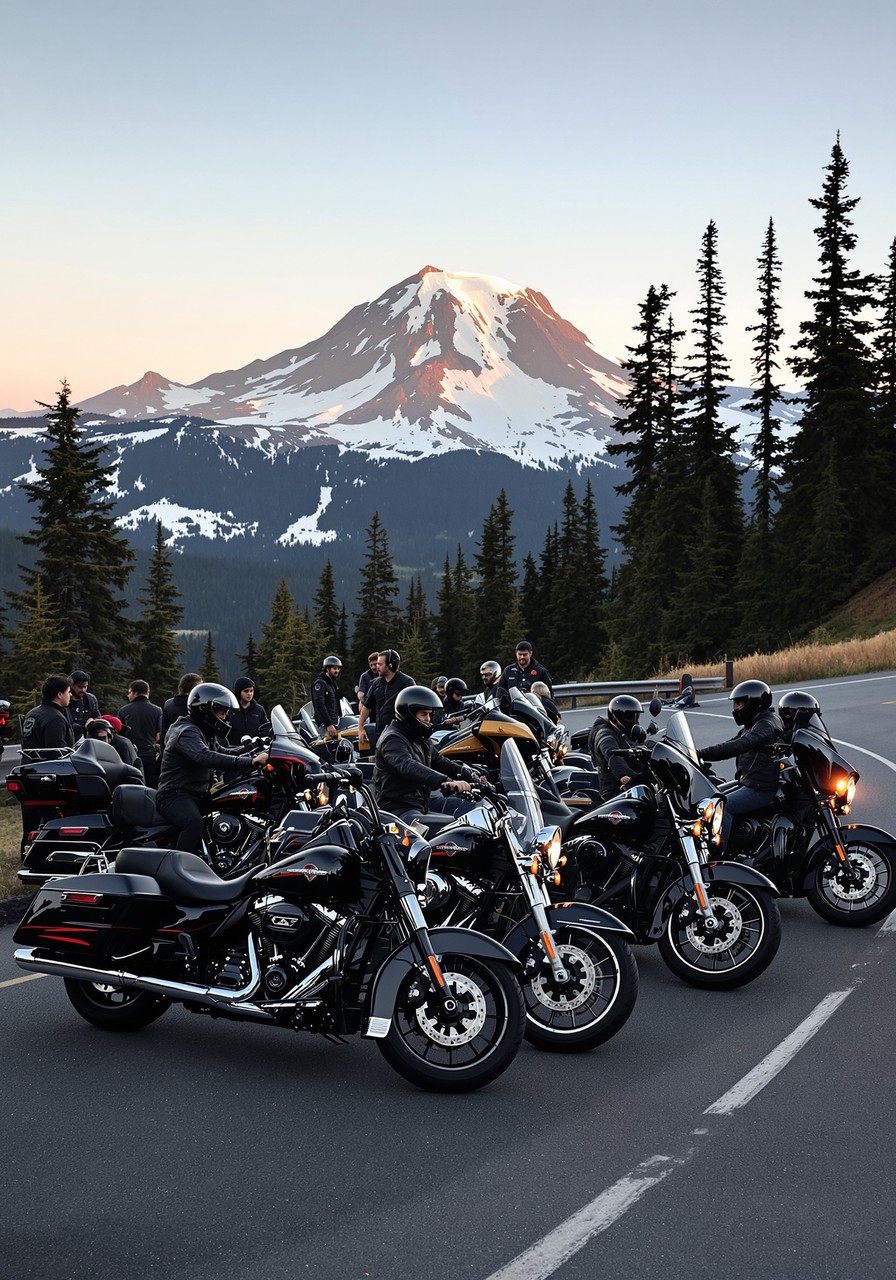
Favorite piece of cold-weather gear you would never ride winter without? Name it below. #RideNationWA #PNWMoto #WashingtonRiders
Giveaway & Countdown
Know a rider who got hurt on the road? Send them our way. Talking to us enters them in the BikersWin giveaway for free. (833) 388-2453. #RideNationWA #MotorcycleGiveaway #WashingtonRiders
Local WA & Rides
Near-constant rain is just the PNW tax. Good gear, a clean visor, and a light hand on wet paint keep the wet months rideable. #RideNationWA #PNWMoto #WashingtonRiders
Gear & New Iron
Rain-X or a good hydrophobic coating on your visor turns rain into beads that roll off at speed. Small thing, big difference on I-5 in a downpour. #RideNationWA #RainGear #RiderTips
Safety & WA Law
Even a rider who shares some blame can still recover in Washington thanks to pure comparative negligence. Do not let an adjuster talk you out of a claim you may still have. Call Washington Injury Law at (833) 388-2453. #RideNationWA #RiderRights #WashingtonRiders
Engagement
Poll: best winter riding excuse you have used. Weather, work, or just the couch. Own up. #RideNationWA #SeattleRiders #TwoWheels
Giveaway & Countdown
Tag two riding buddies right now. One of you could be walking away with twenty thousand. #RideNationWA #20kGiveaway #SeattleRiders
Local WA & Rides
Bike night is still on through the winter, just indoors and dry. Come talk routes for spring and swap pass reports over coffee. #RideNationWA #SeattleRiders
Gear & New Iron
Check your tire date codes. That four digit number on the sidewall is week and year. Old rubber goes hard and loses wet grip long before the tread wears out. #RideNationWA #MotorcycleMaintenance #RiderTips
Safety & WA Law
Wet leaves on a Tacoma back road are as slick as ice and they pile up in the corners this time of year. Scan the exit before you commit. #RideNationWA #PNWMoto #MotorcycleSafety
Engagement
Tag the friend who talked you into a ride in the rain and made it a great day anyway. #RideNationWA #RideOrDie #PNWMoto
Giveaway & Countdown
The BikersWin giveaway is heating up across Washington. Stay close, riders, the countdown is on. #RideNationWA #BikersWin #PNWMoto
Local WA & Rides
SR-410 to the Mount Rainier overlooks is a summer bucket-list run. Bank it now for when Chinook Pass reopens and the snow melts off. #RideNationWA #MountRainier #MotorcycleRoads
Gear & New Iron
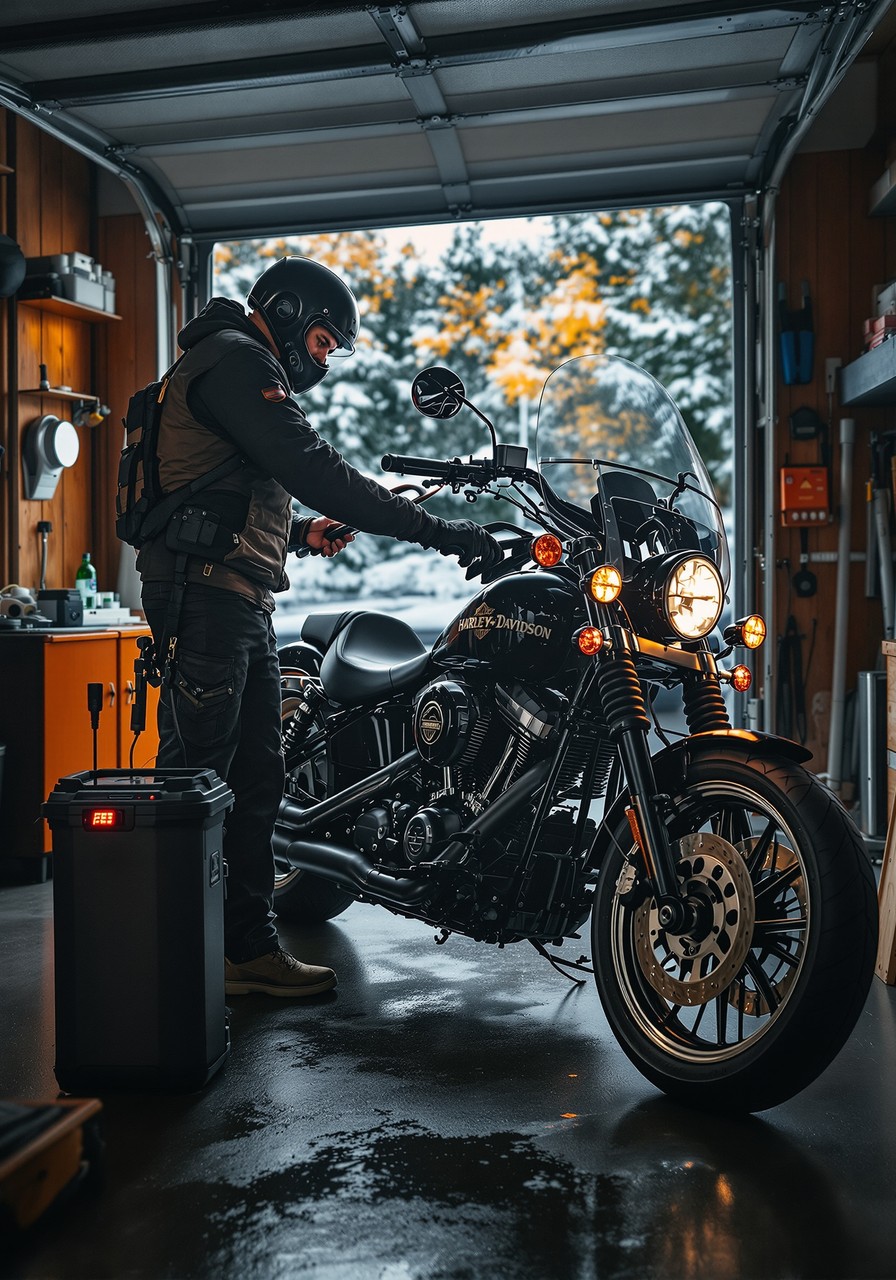
Tread depth matters more here than almost anywhere. Wet grip lives in those grooves that channel water away. If they are shallow, you are hydroplaning waiting to happen. #RideNationWA #MotorcycleMaintenance #PNWMoto
Safety & WA Law
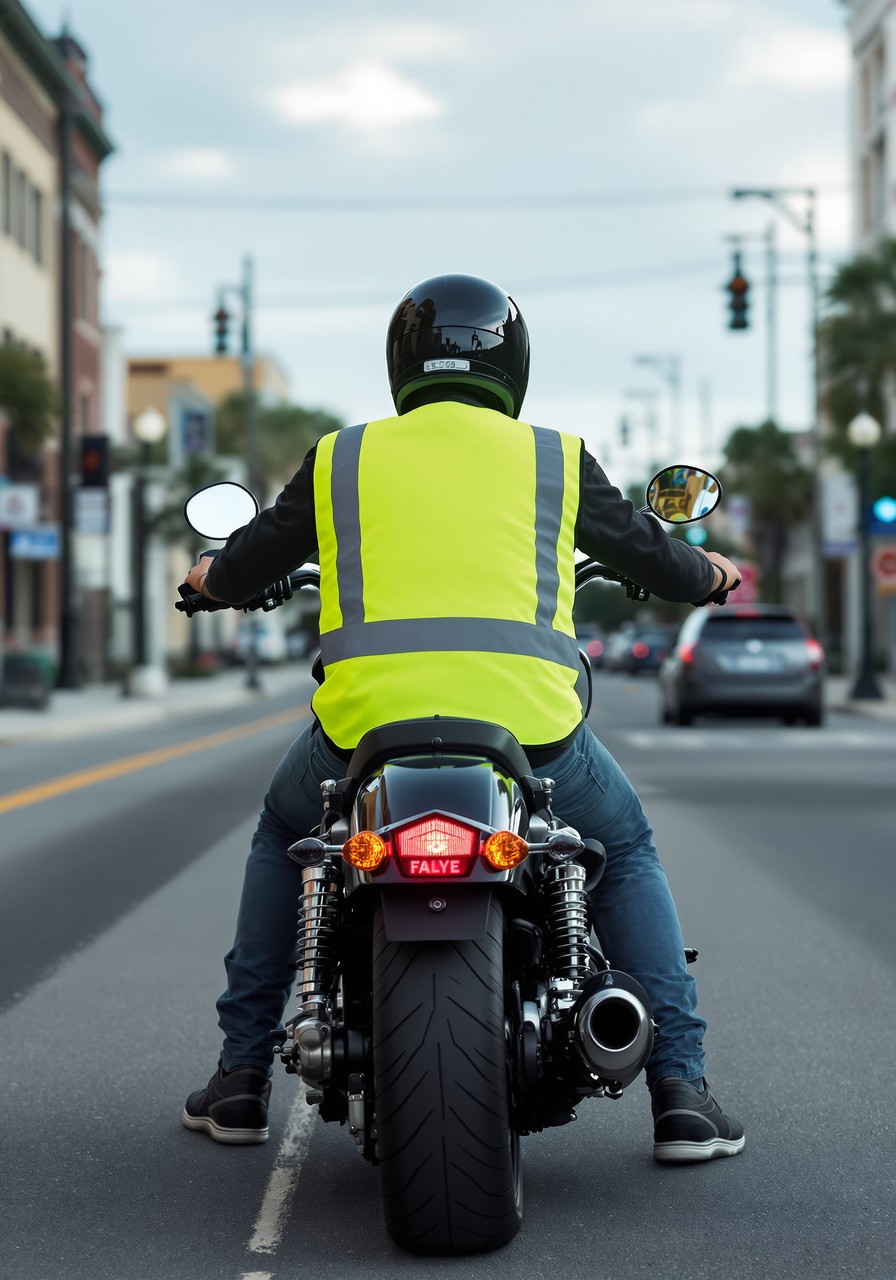
The 3 year clock on a Washington injury claim starts at the crash, not when the bills pile up. Waiting can quietly cost you your case. Talk it through free at (833) 388-2453. #RideNationWA #KnowYourRights #RiderRights
Engagement
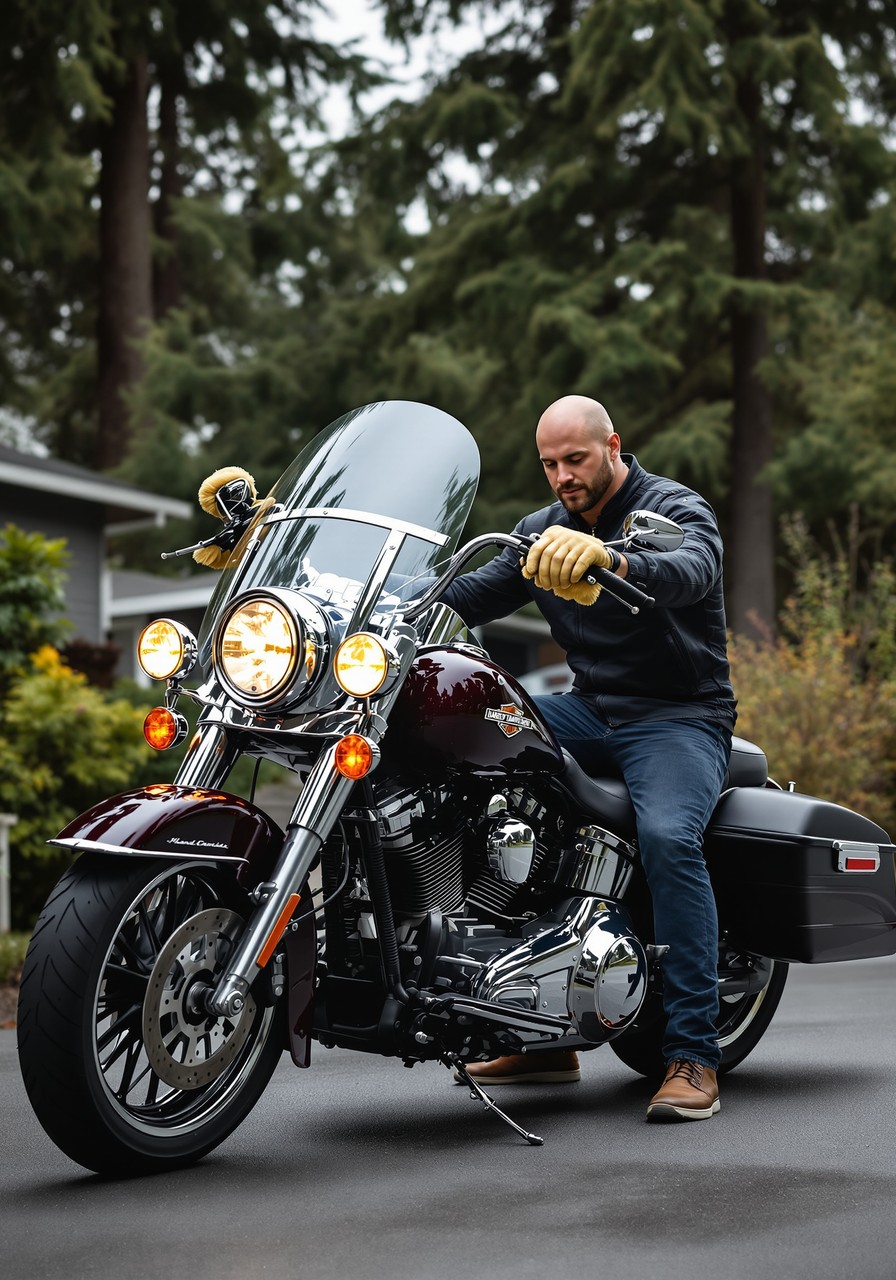
Caption this: your rain gear dripping in the hallway, boots by the heater, grin still on your face. #RideNationWA #WashingtonRiders #PacificNorthwest
Giveaway & Countdown
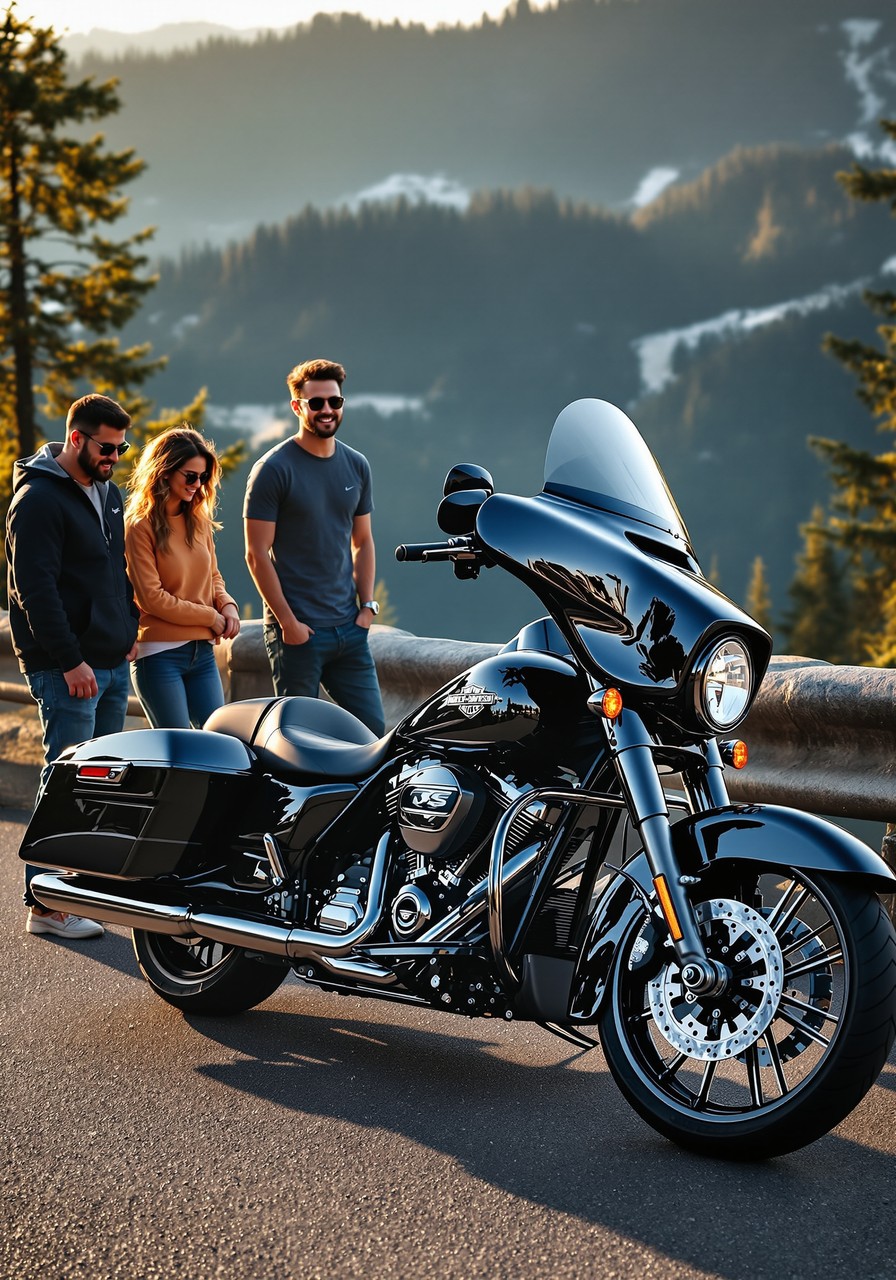
Entry is easy and it is free. A quick conversation about your crash puts your name in for $20,000. Call Washington Injury Law at (833) 388-2453. #RideNationWA #MotorcycleGiveaway #SeattleRiders
Local WA & Rides
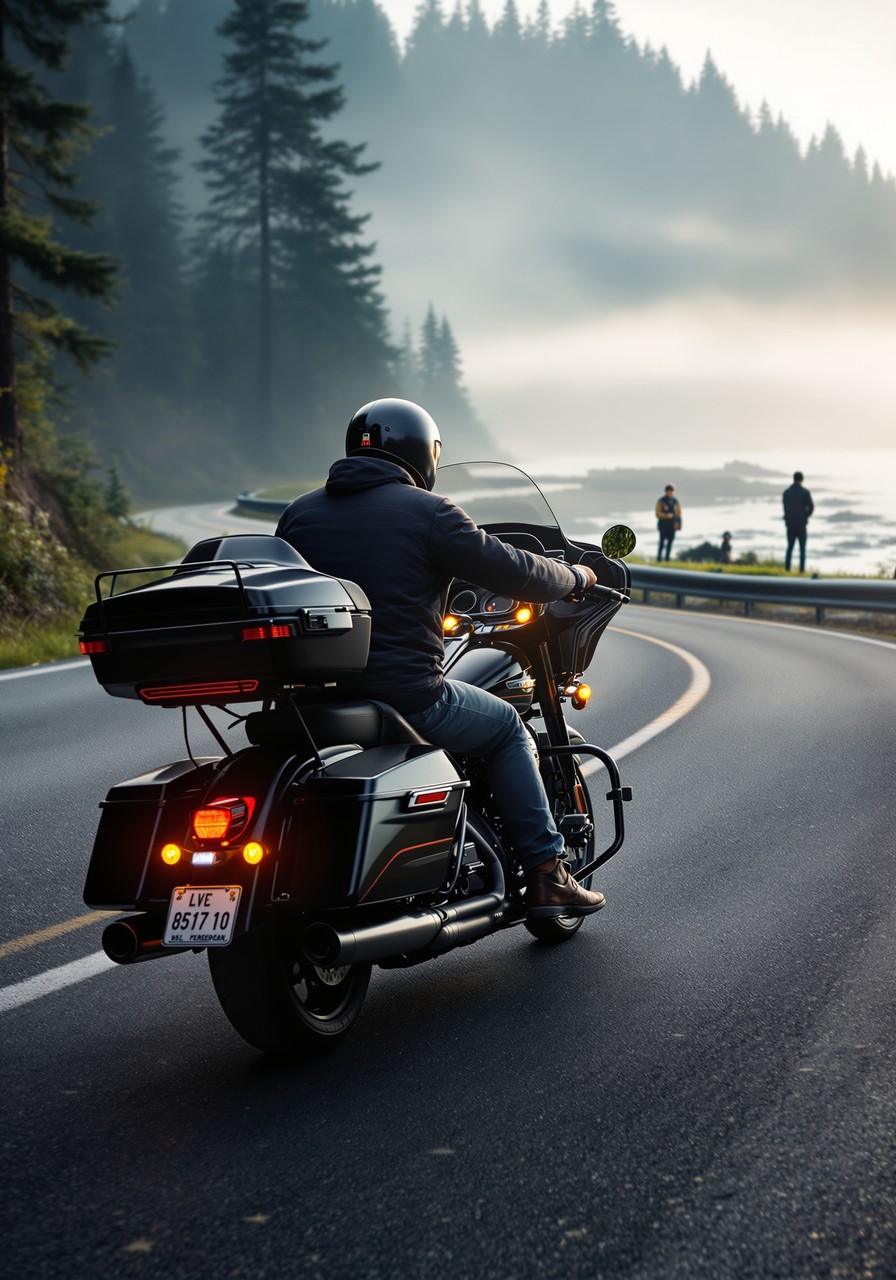
Chuckanut in the fog has its own quiet magic, but the SR-11 corners get greasy under the madronas. Slow your entries and enjoy the mist. #RideNationWA #ChuckanutDrive #PNWMoto
Gear & New Iron
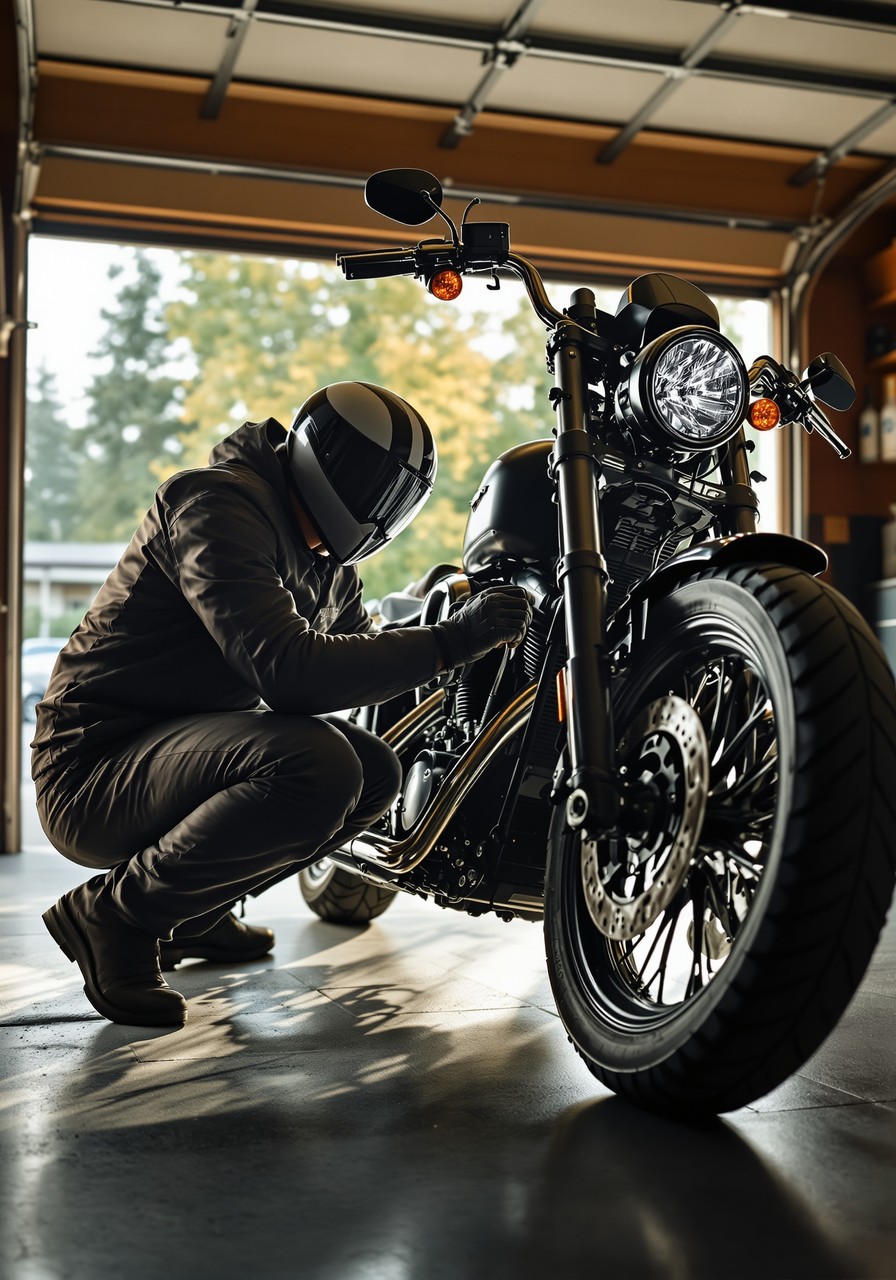
Cold mornings drop your tire pressure, and low pressure kills grip and wears the edges. Check it cold before you ride, not warm at the gas station. #RideNationWA #MotorcycleMaintenance #RiderTips
Safety & WA Law
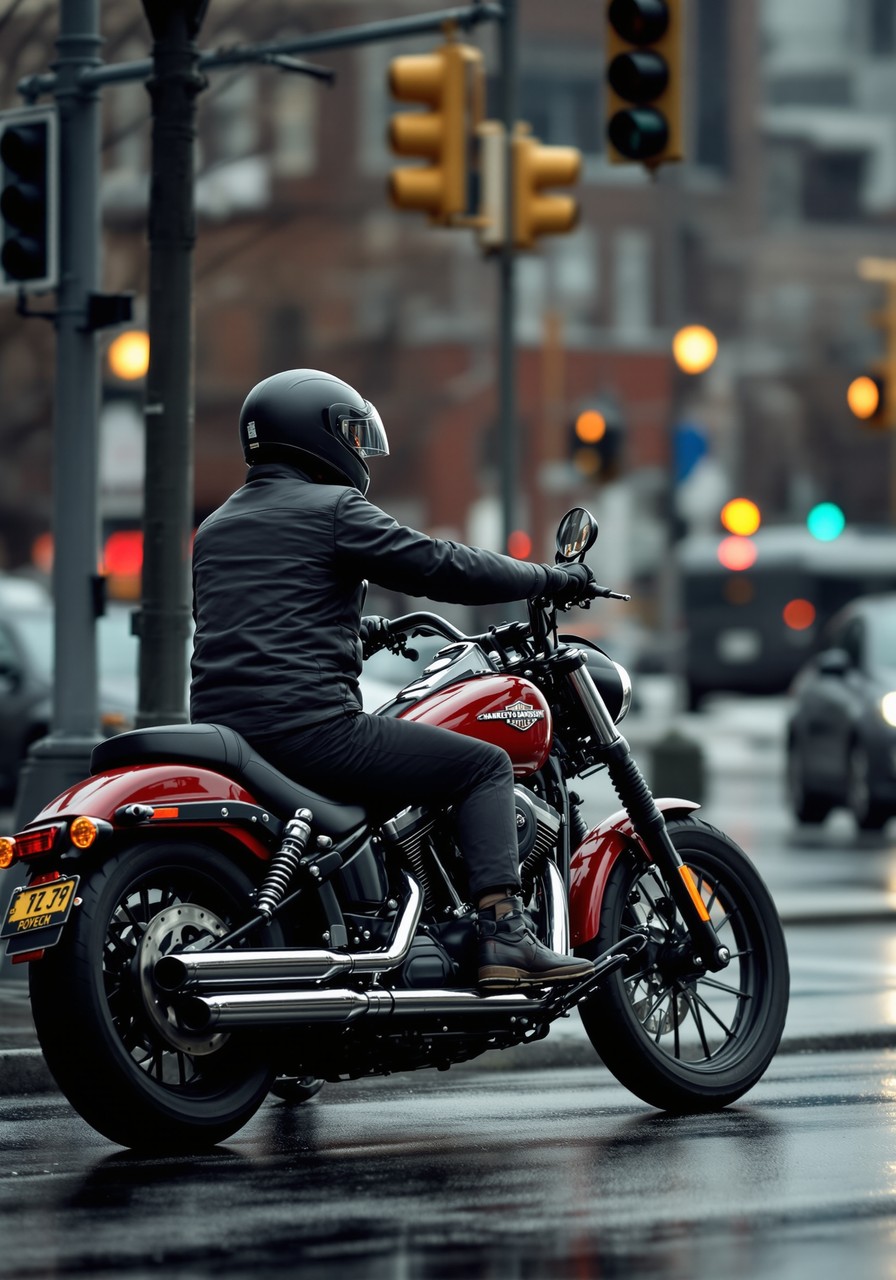
Cold tires do not grip. On chilly PNW mornings give the rubber a few miles and some gentle input before you push a corner. #RideNationWA #MotorcycleSafety #ATGATT
Engagement
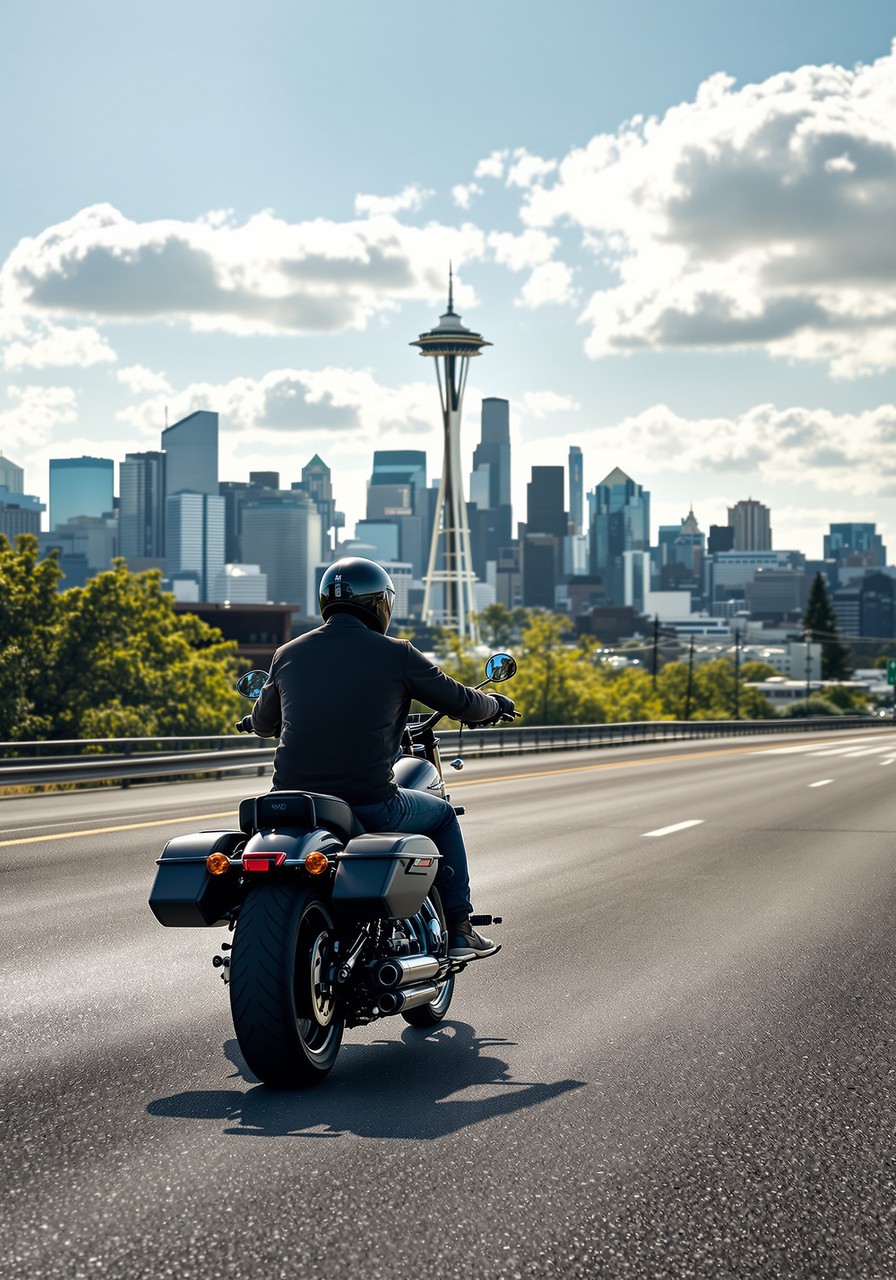
Fill in the blank: the Space Needle skyline hits different from two wheels when ______. Finish it. #RideNationWA #SeattleRiders #TwoWheels
Giveaway & Countdown
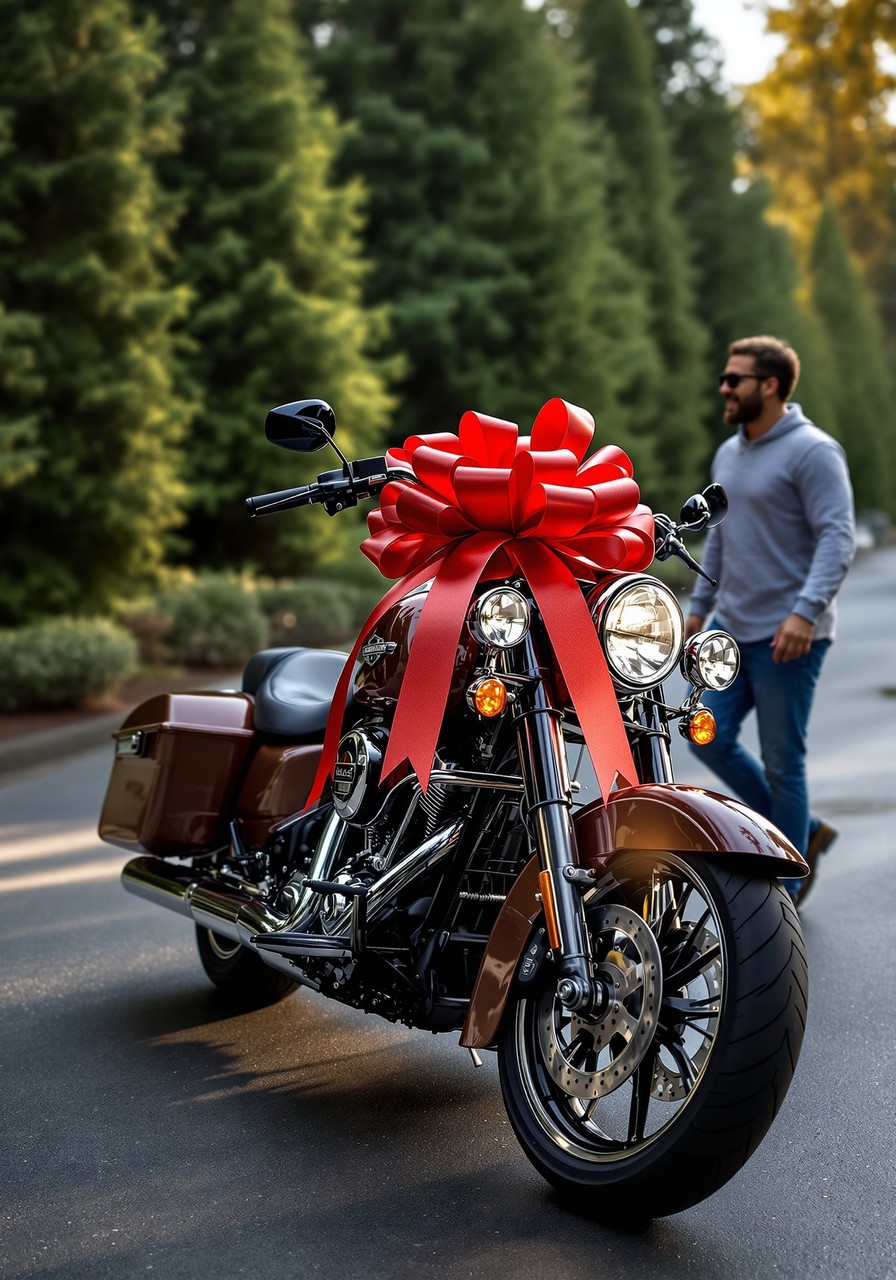
Every share moves us closer to giveaway day. Get the word out to your Sea-Tac crew. #RideNationWA #BikersWin #WashingtonRiders
Local WA & Rides
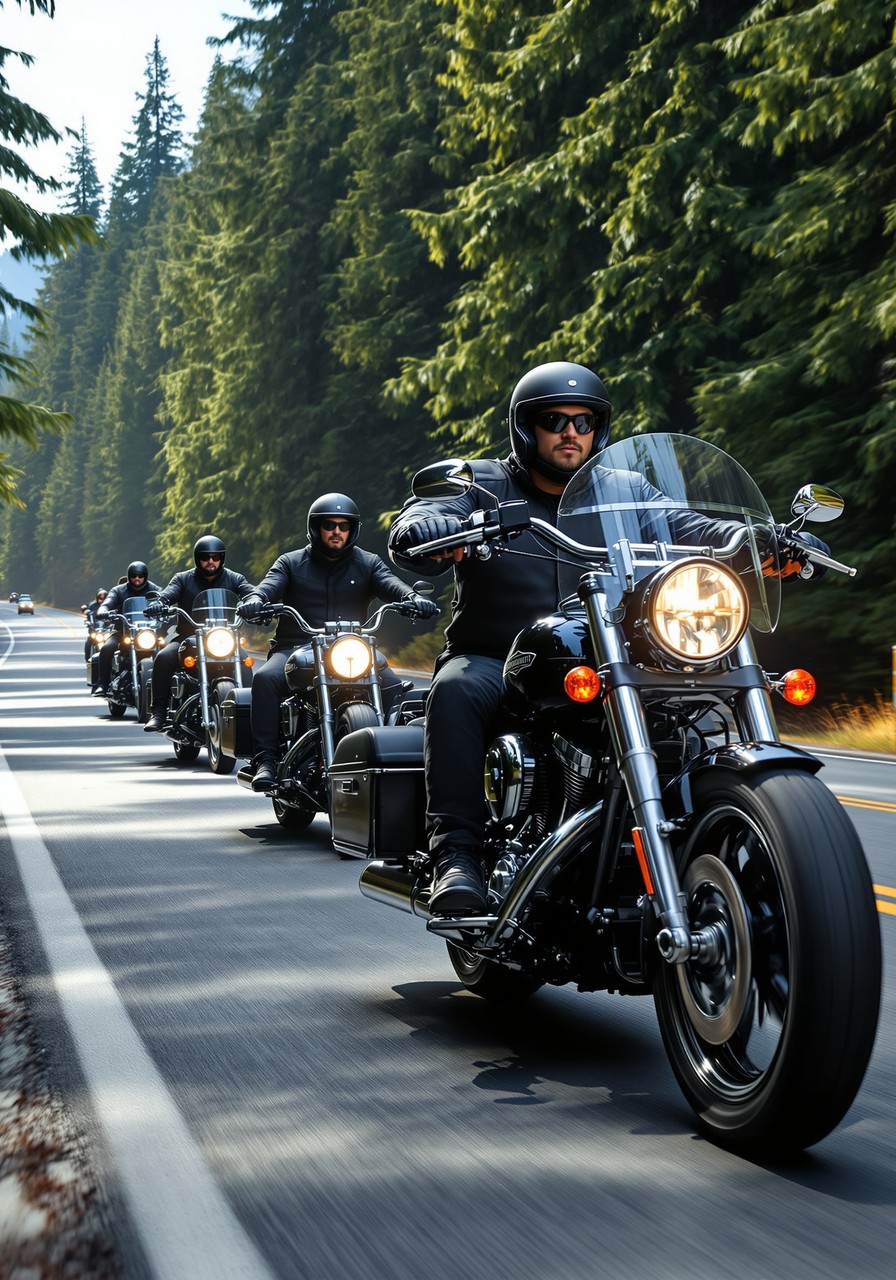
Metal grating on the older Ship Canal bridges wanders your front end when it is wet. Loosen your grip and let the bike track through. #RideNationWA #SeattleRiders
Gear & New Iron
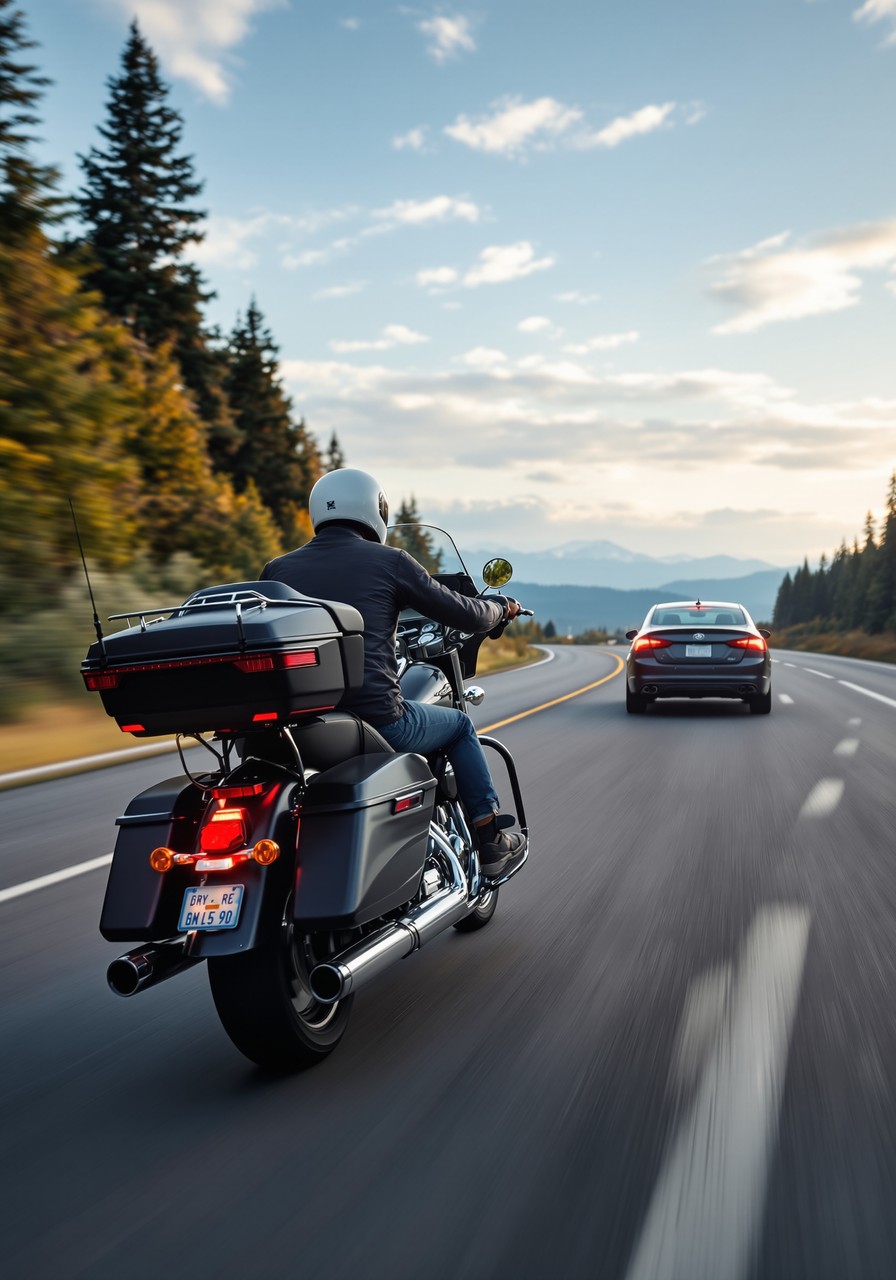
A cold tire is a hard tire. Give it a few gentle miles to warm up before you lean on it, especially on a frosty PNW morning. #RideNationWA #RiderTips #PNWMoto
Safety & WA Law
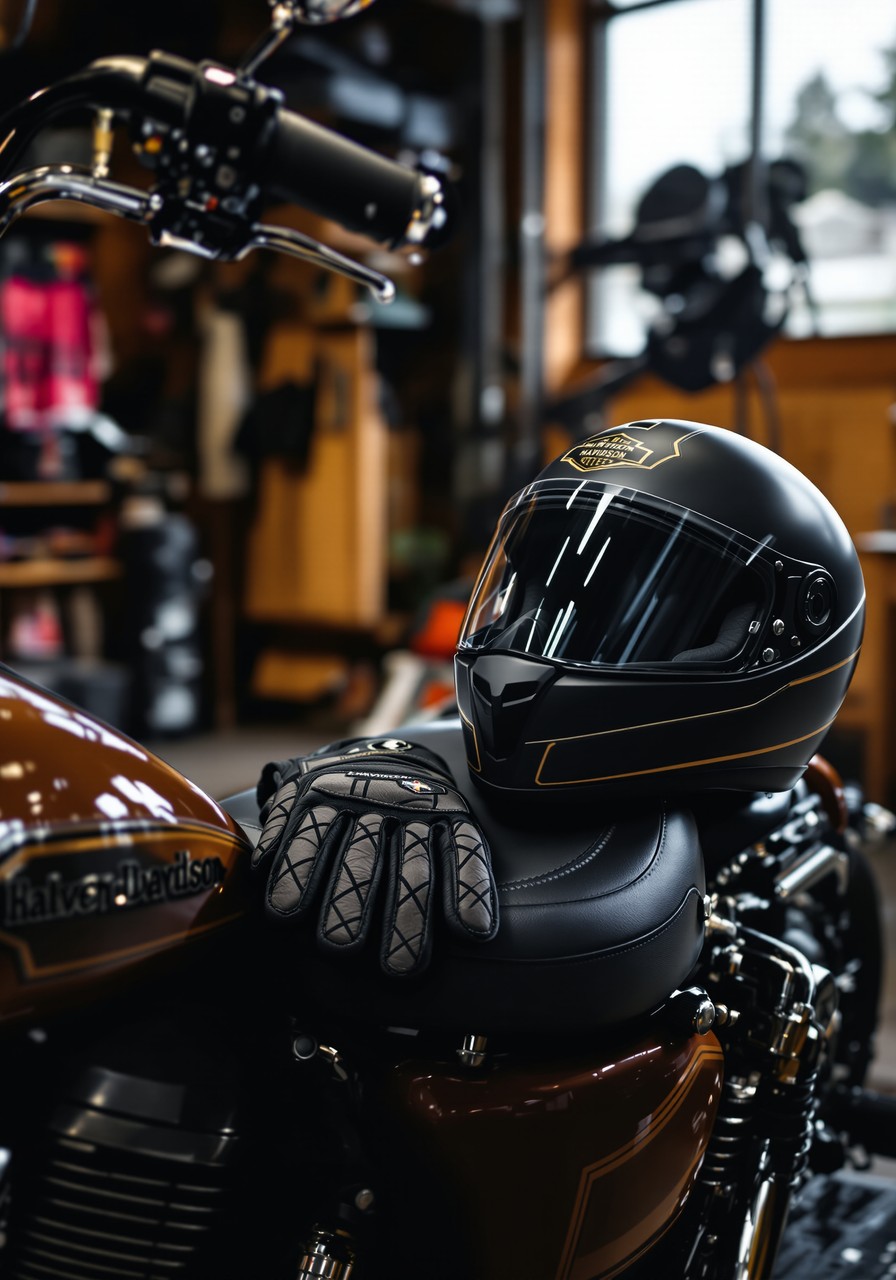
That DOT helmet is not optional in Washington, and neither is checking the strap. A helmet that flies off in a slide protects nothing. #RideNationWA #ATGATT #MotorcycleSafety
Engagement
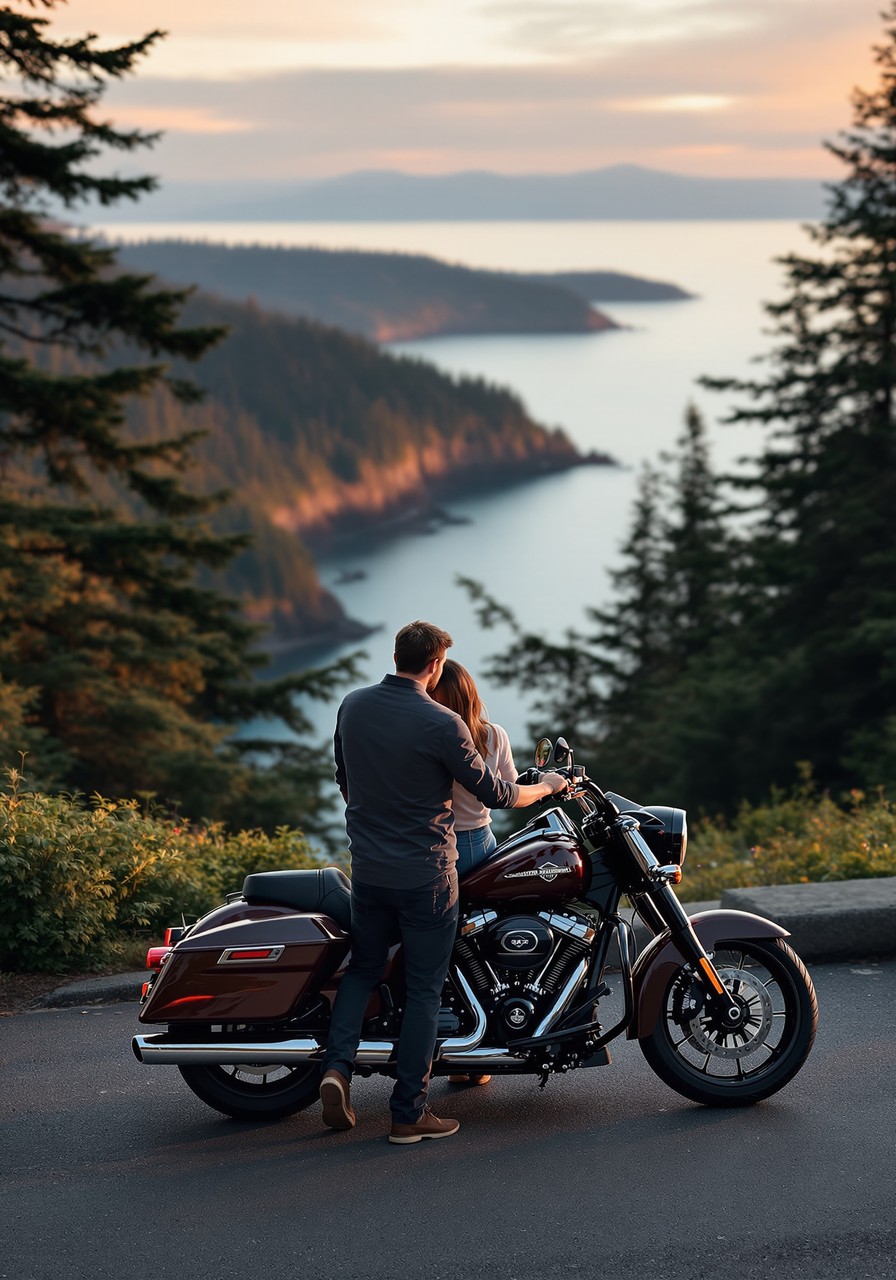
This or that: morning ride in the cold and clear, or an afternoon ride once it warms a few degrees. Winter edition. #RideNationWA #PNWMoto #PacificNorthwest
Giveaway & Countdown
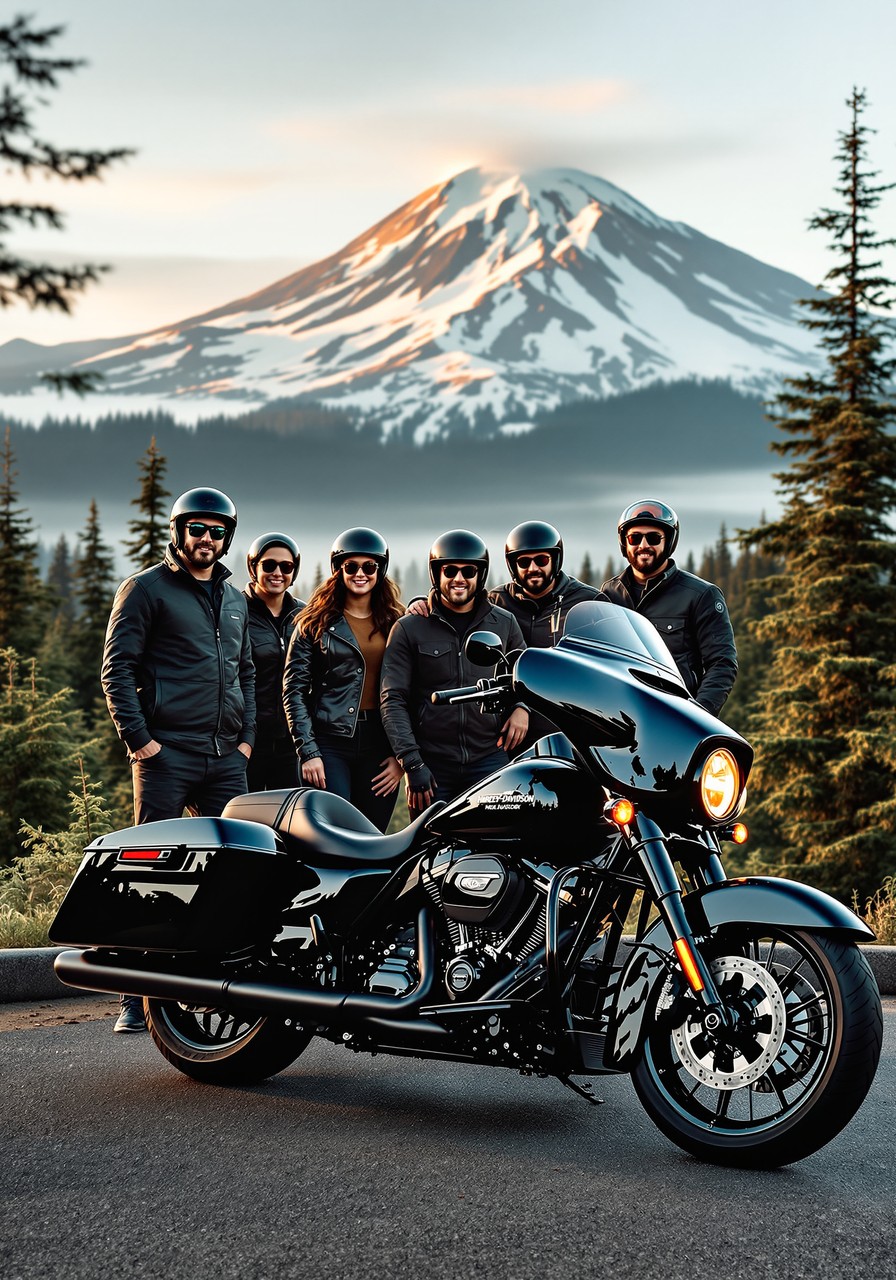
Picture twenty thousand dollars landing in your garage. The BikersWin countdown makes it real for one rider. #RideNationWA #20kGiveaway #PNWMoto
Local WA & Rides
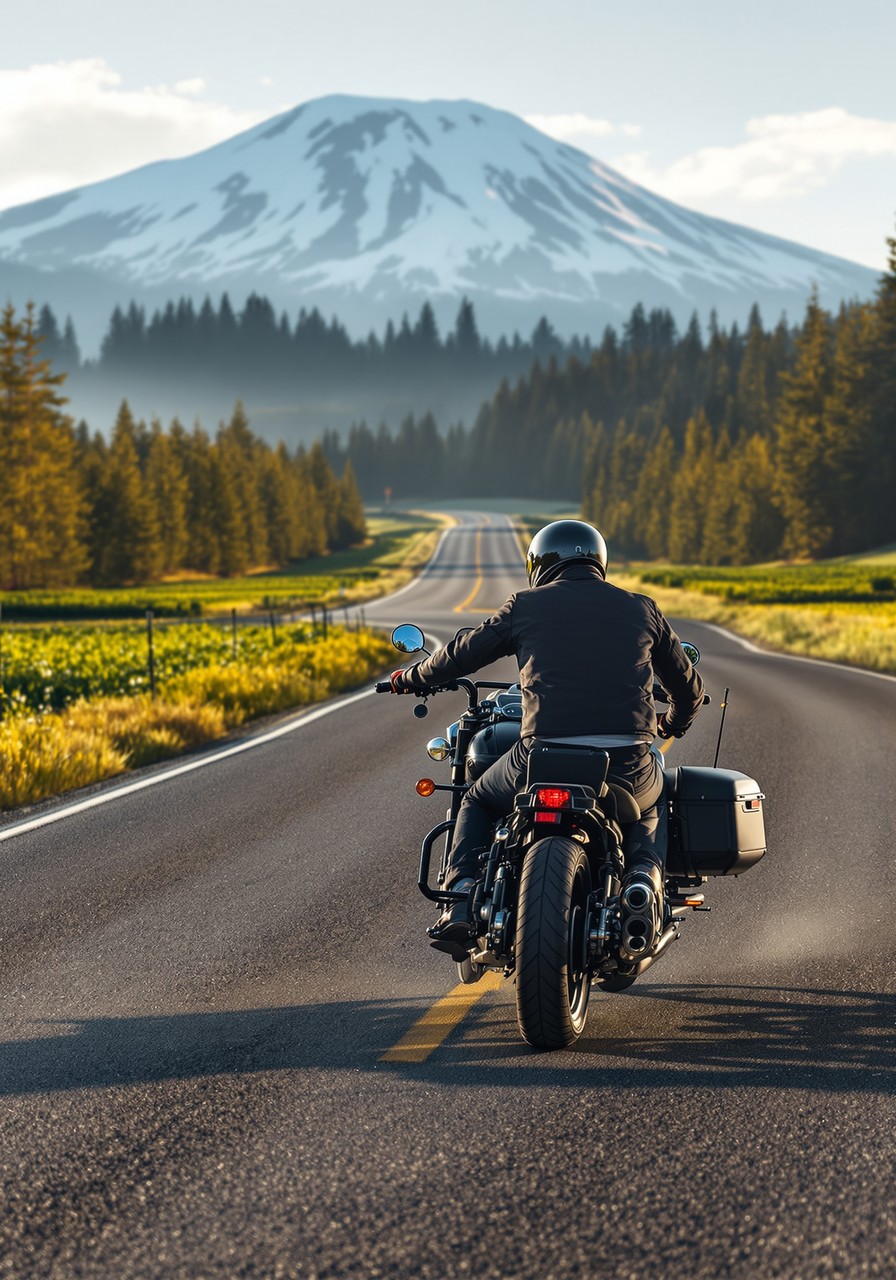
US-2 over Stevens is chain-up country in a January squall. If the pass report says traction tires advised, that is your sign to stay in the garage. #RideNationWA #WashingtonRiders #MotorcycleRoads
Gear & New Iron
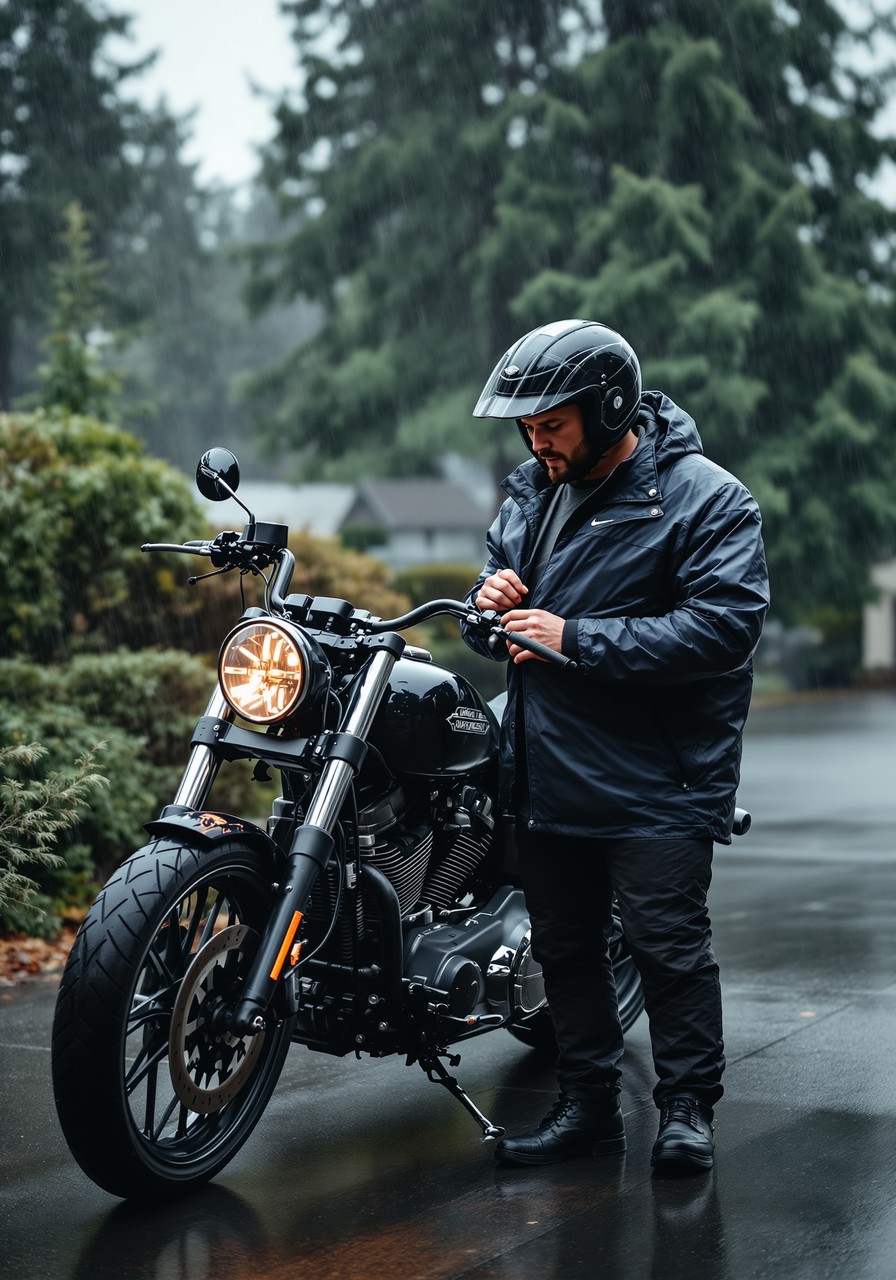
Chain care is rust prevention in this climate. Clean and lube more often than the manual says, because our damp eats a dry chain fast. #RideNationWA #MotorcycleMaintenance #RiderTips
Safety & WA Law
If the driver who hit you is uninsured, your UM coverage steps in as if their policy existed. Washington makes insurers offer it for a reason. Questions about a hit and run or uninsured driver? Call (833) 388-2453. #RideNationWA #RiderRights #KnowYourRights
Engagement
Question: what song is always first in the helmet on a gray Tacoma morning? Share the track. #RideNationWA #WashingtonRiders #TwoWheels
Giveaway & Countdown
Wondering if you qualify to enter? Ask us. A free review of your crash is all it takes. (833) 388-2453. #RideNationWA #BikersWin #SeattleRiders
Local WA & Rides
The Hood Canal bridge crossing on SR-104 opens the peninsula up. Watch the steel deck when it rains and settle in for the US-101 miles beyond. #RideNationWA #OlympicPeninsula #WashingtonRiders
Gear & New Iron
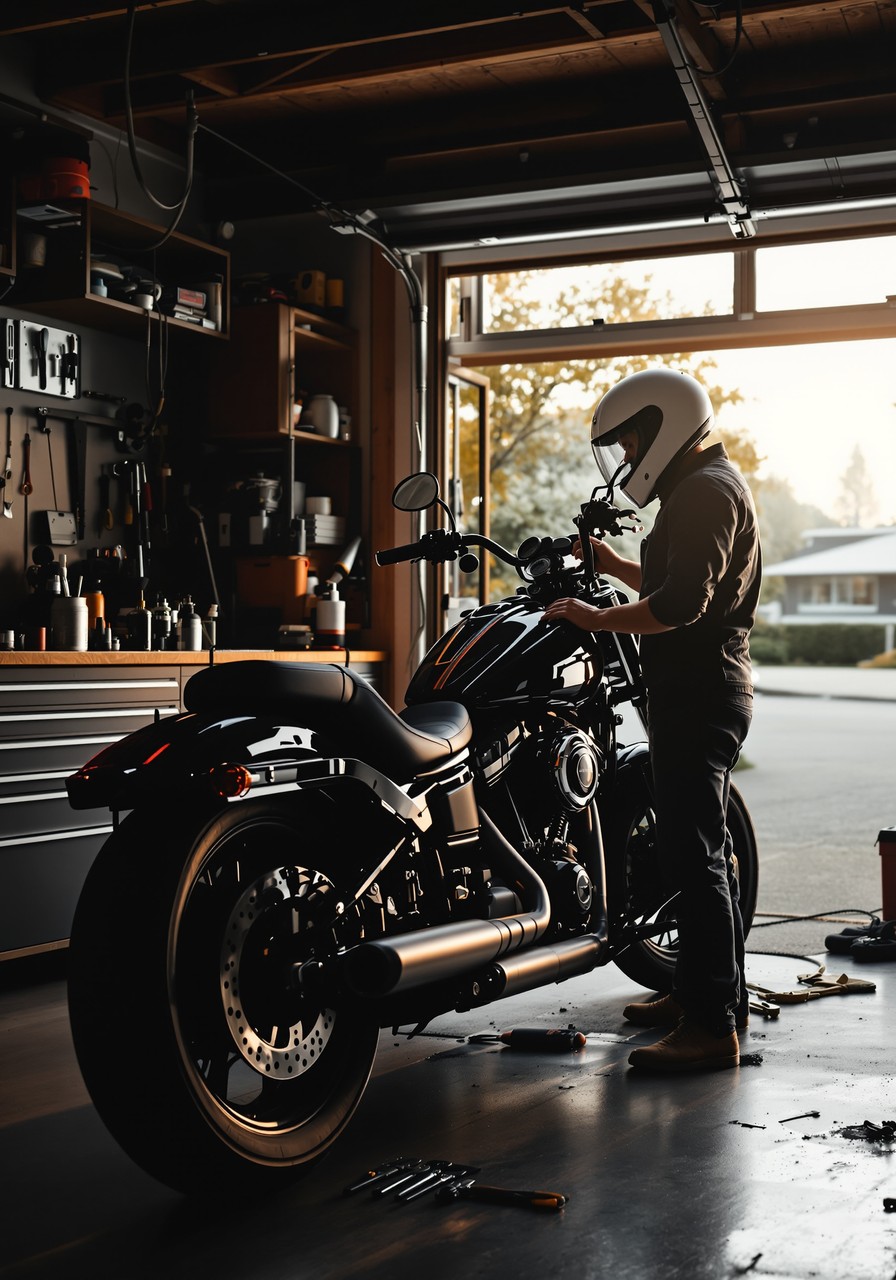
Ride in the rain, lube the chain. Water strips the lubricant and surface rust follows in days here. Wipe it down and re-lube after every wet ride. #RideNationWA #MotorcycleMaintenance #PNWMoto
Safety & WA Law
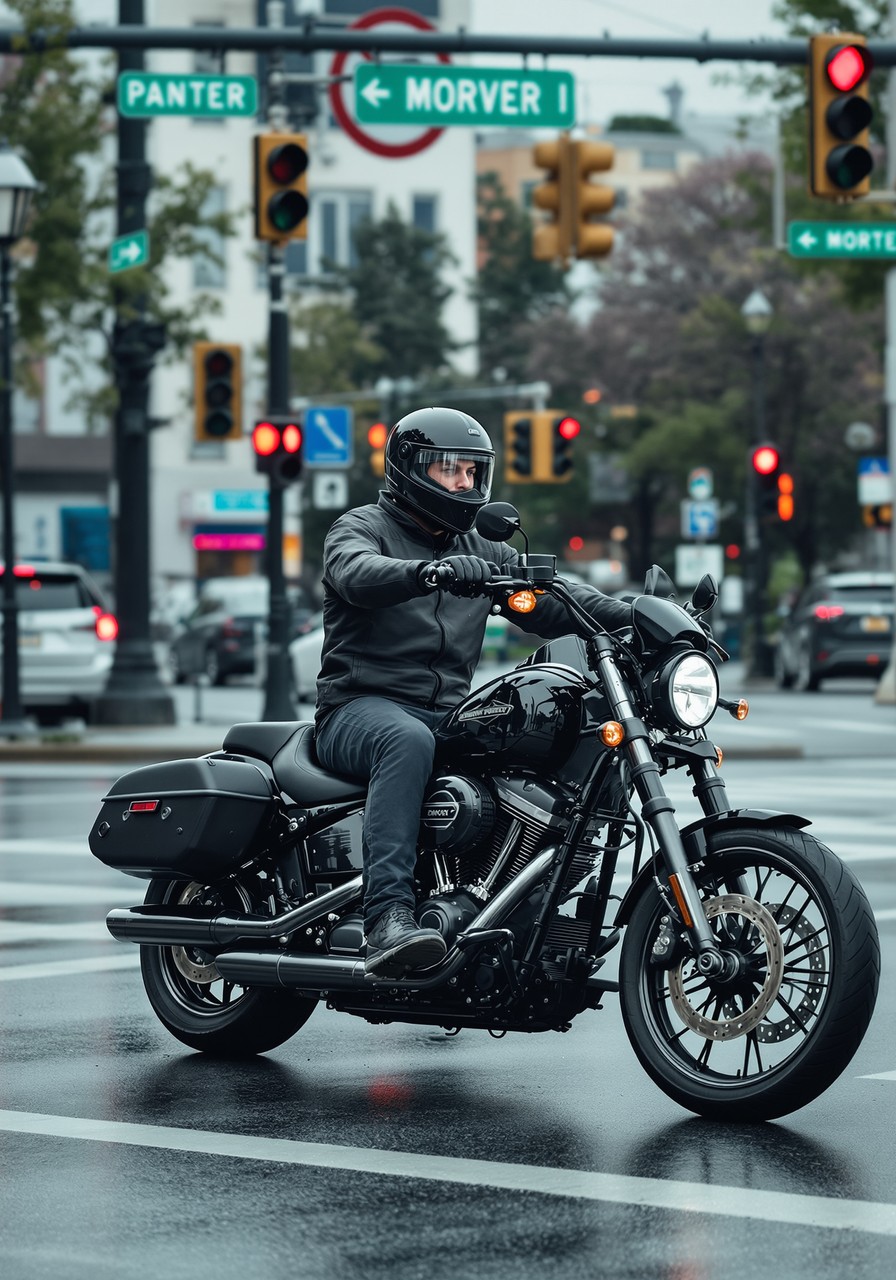
Fog rolls thick along the water and the passes without warning. Drop your speed, add distance, and let the reflective gear do its job. #RideNationWA #PNWMoto #MotorcycleSafety
Engagement
Rate your winter mileage so far, one to ten, and tell us the story behind the number. #RideNationWA #SeattleRiders #PNWMoto
Giveaway & Countdown
Ride Nation is growing and so is the buzz. The $20,000 BikersWin giveaway has everyone talking. #RideNationWA #MotorcycleGiveaway #WashingtonRiders
Local WA & Rides
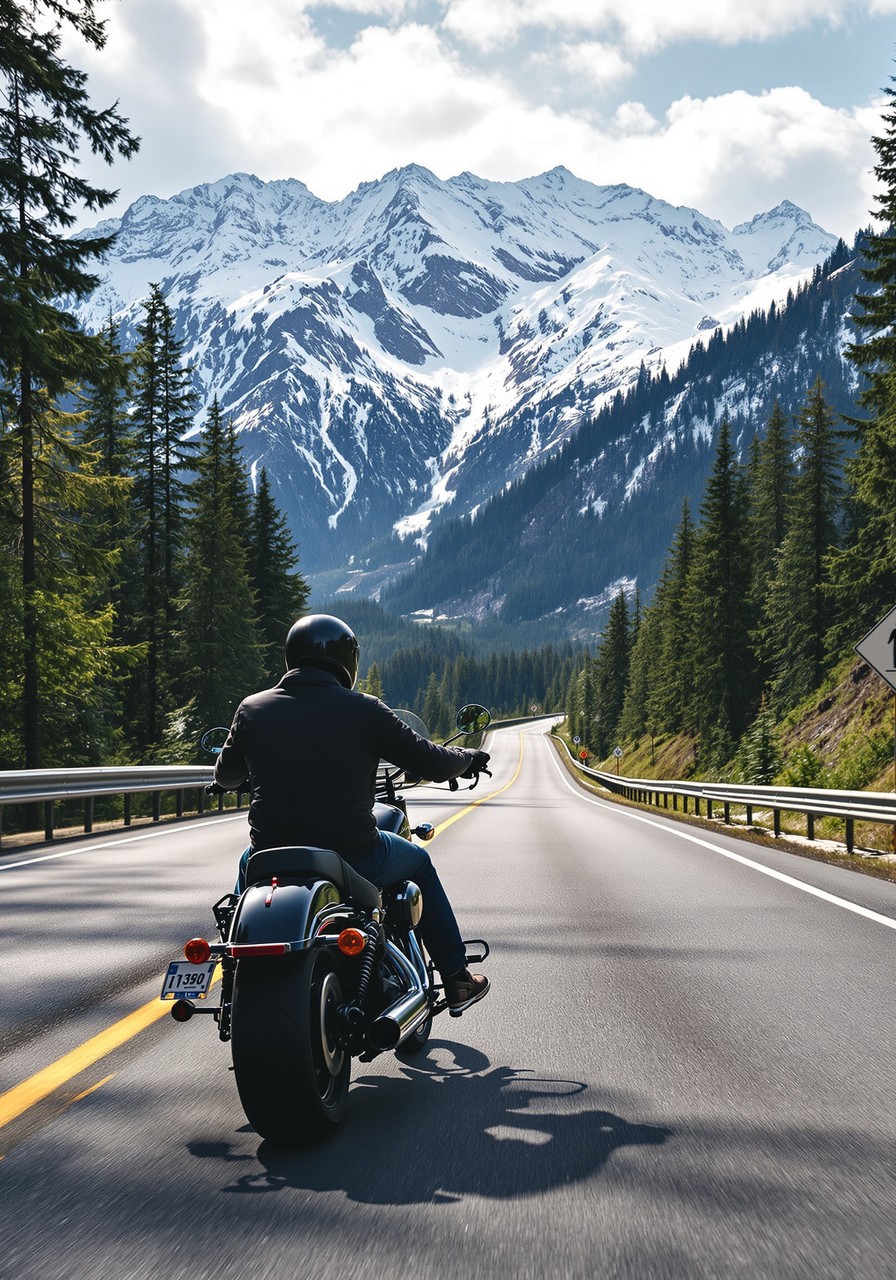
Spring shakedown checklist: tire pressures, brake pads, coolant, and a chain you can actually trust before the first Snoqualmie run. #RideNationWA #SnoqualmiePass #PNWMoto
Gear & New Iron
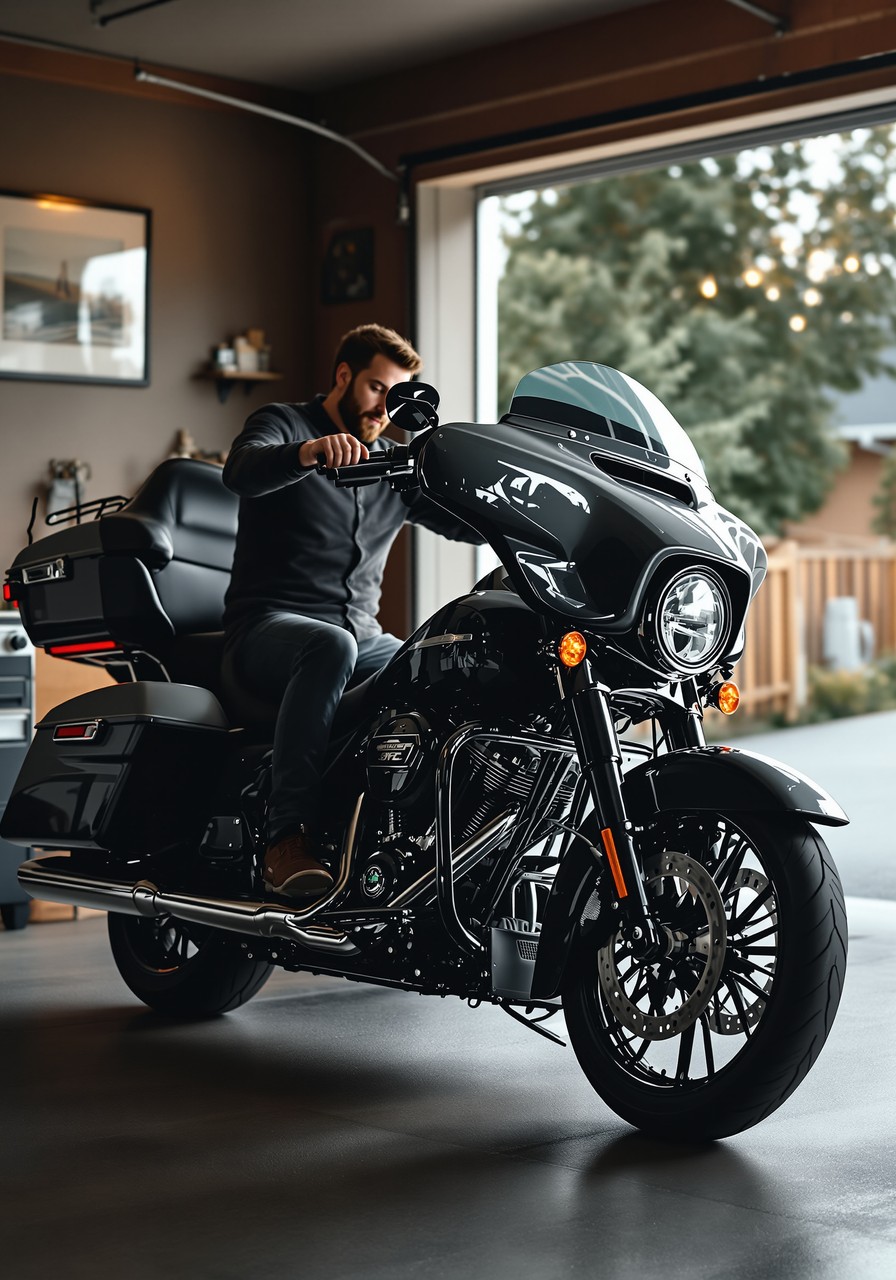
A long dark PNW winter drains a battery just sitting there. Put it on a smart tender now and it fires up in spring instead of clicking at you. #RideNationWA #MotorcycleMaintenance #RiderTips
Safety & WA Law
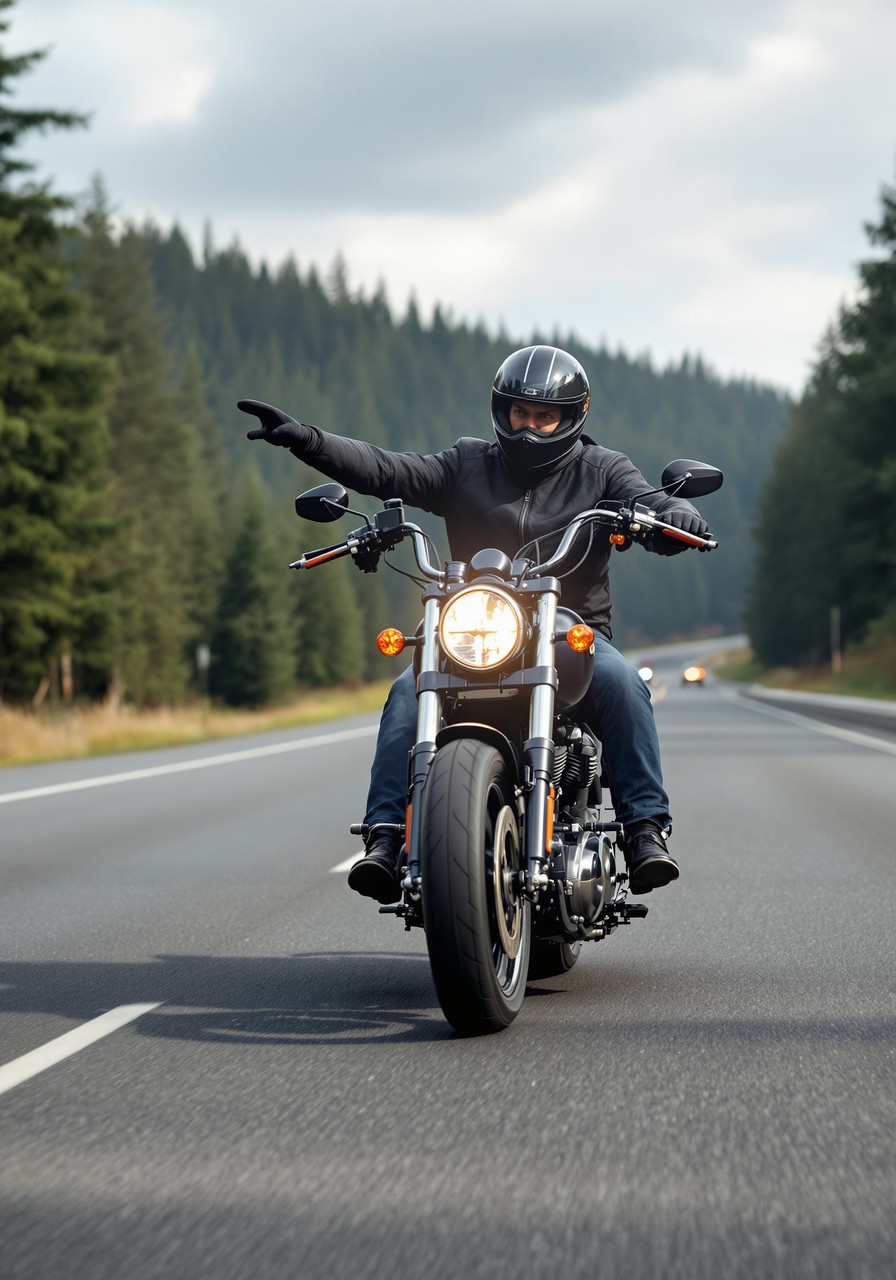
Do not admit fault at the scene, even a casual sorry. In a pure comparative state your words can be turned into a bigger share of blame. Talk to us first at (833) 388-2453. #RideNationWA #KnowYourRights #RiderRights
Engagement
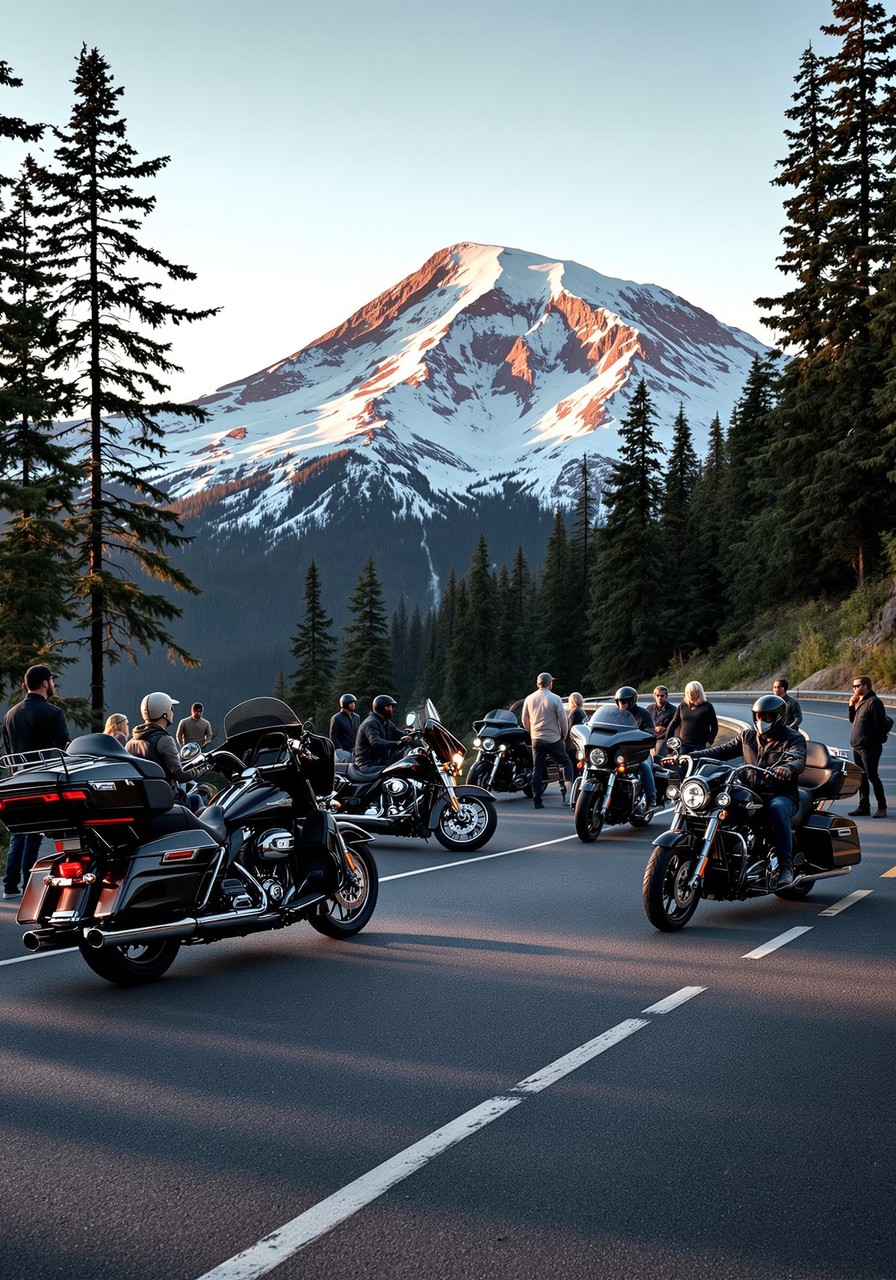
Fill in the blank: you know you are a PNW rider when a ______ forecast counts as a good riding day. #RideNationWA #PacificNorthwest #WashingtonRiders
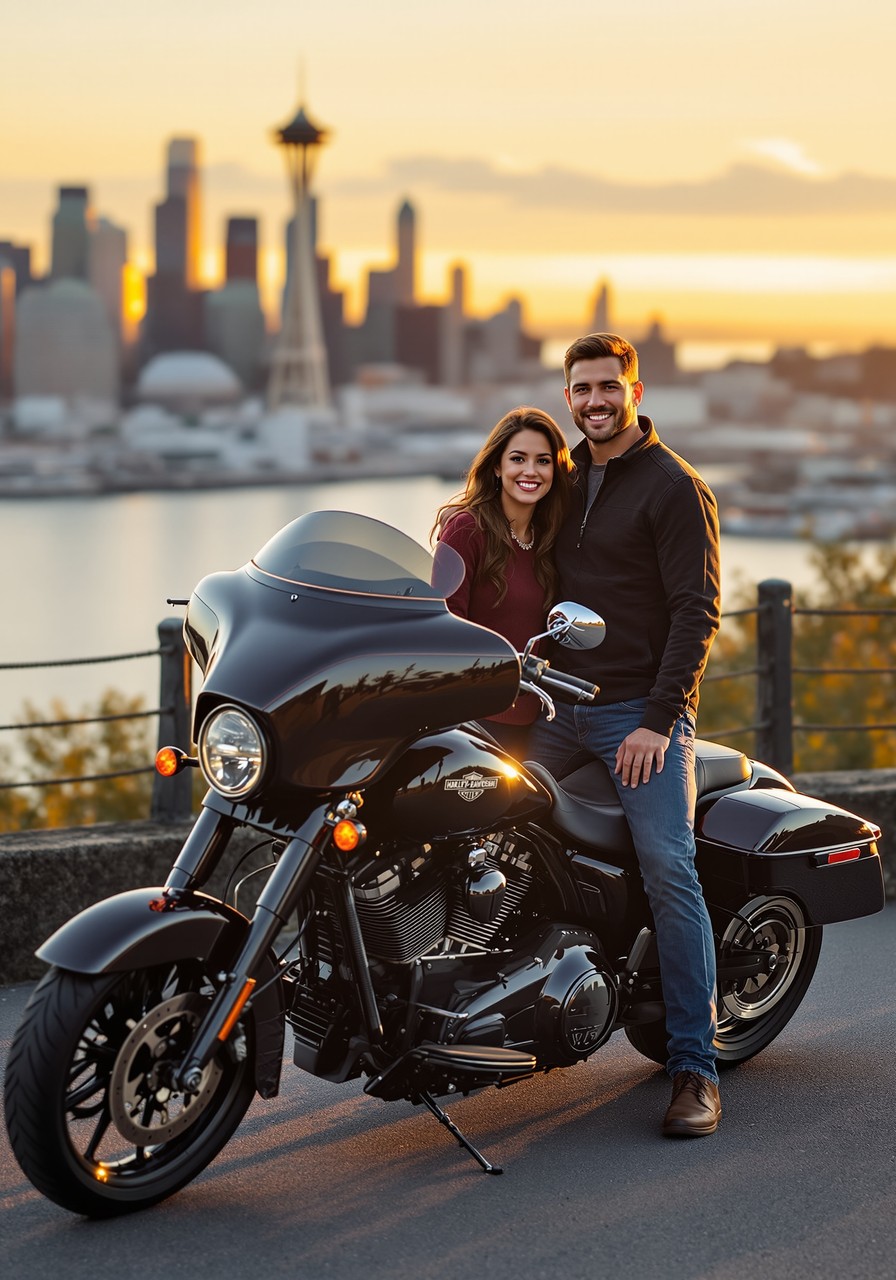
Giveaway & Countdown
Do not sit this one out, Seattle-Tacoma. One call about your claim gets you entered in the twenty thousand dollar giveaway. (833) 388-2453. #RideNationWA #20kGiveaway #PNWMoto
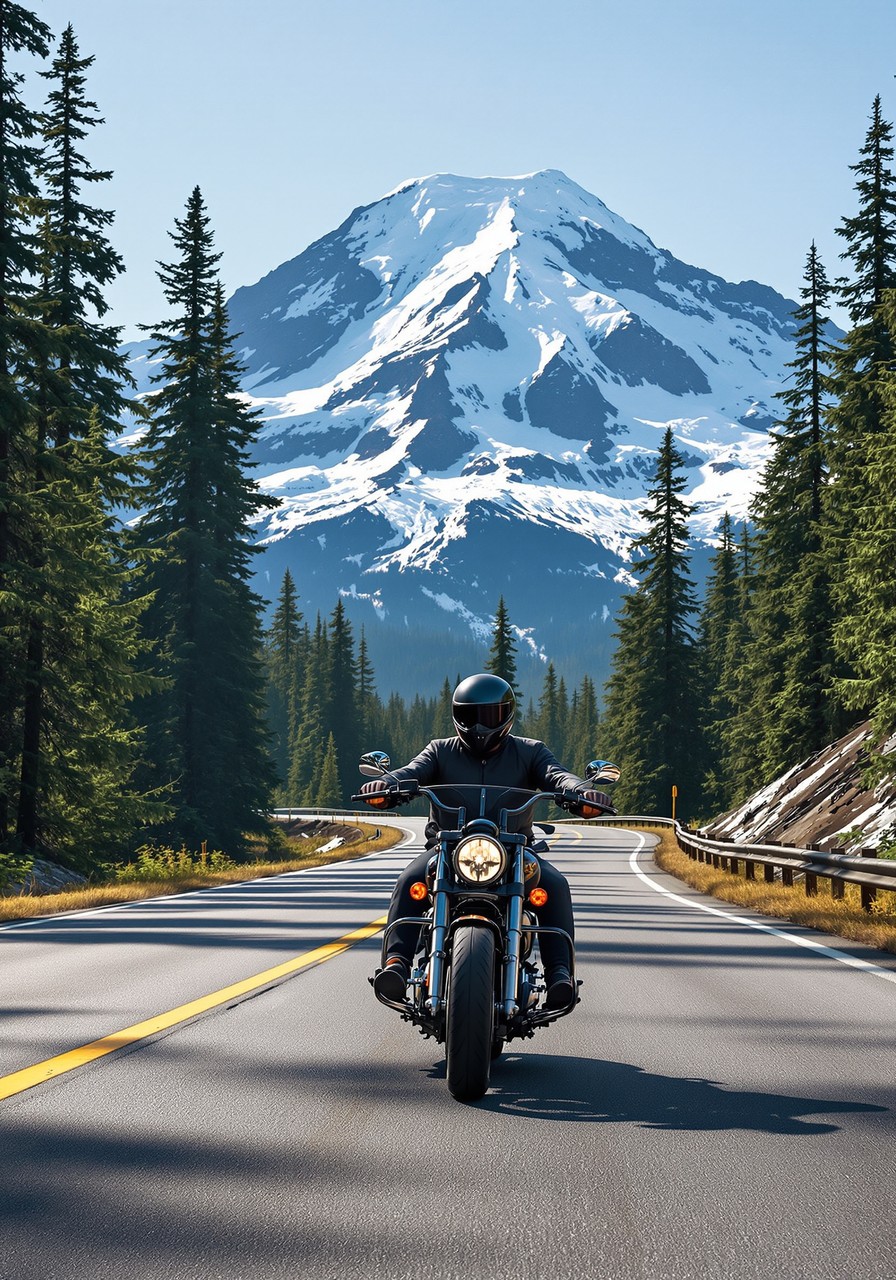
Local WA & Rides
Sunset over the Salish Sea from Chuckanut Drive is worth timing the ride for. Roll SR-11 in the late golden hour and take the long way home. #RideNationWA #ChuckanutDrive #WashingtonRiders
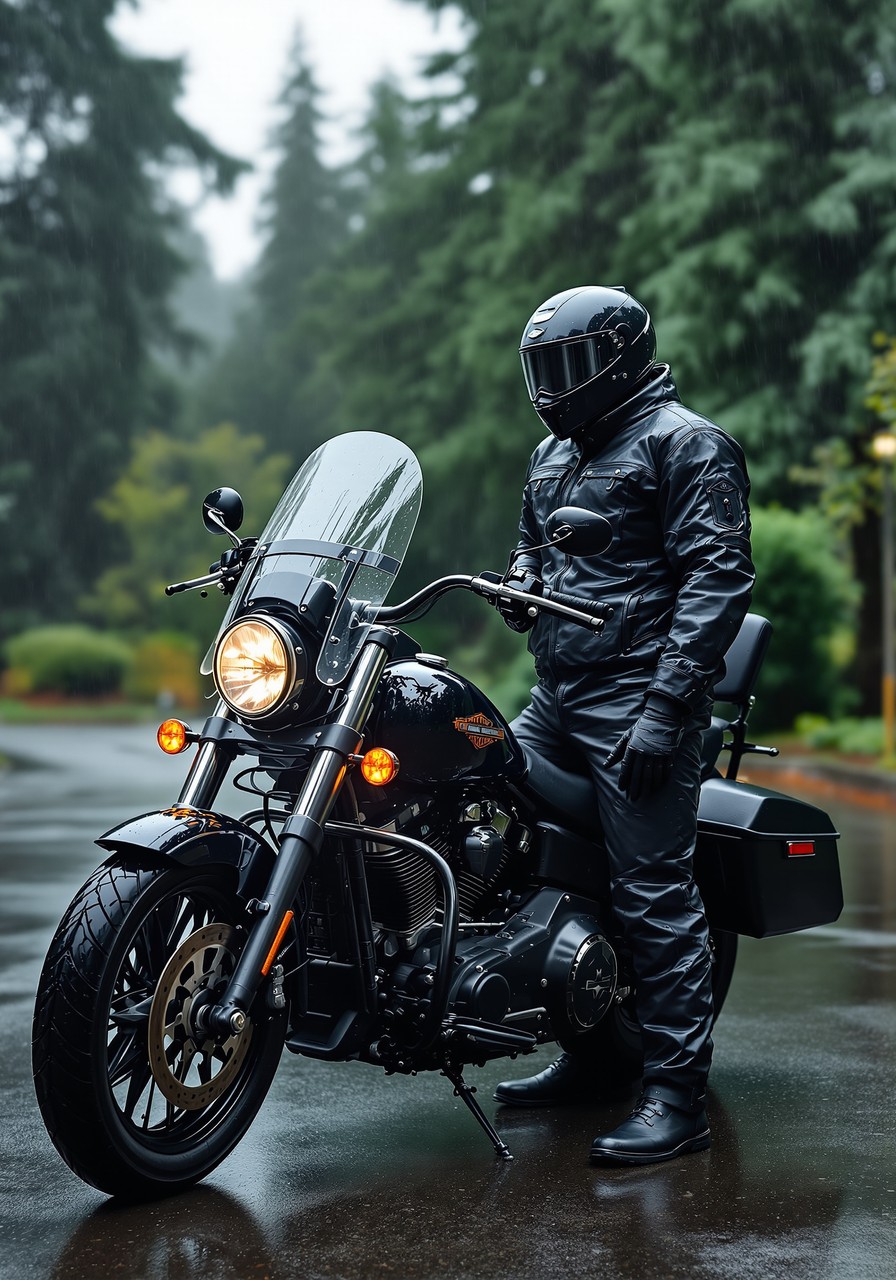
Gear & New Iron
Weak battery plus cold plus short trips is a dead battery by February. A trickle tender over winter is ten bucks of prevention. #RideNationWA #MotorcycleMaintenance #PNWMoto
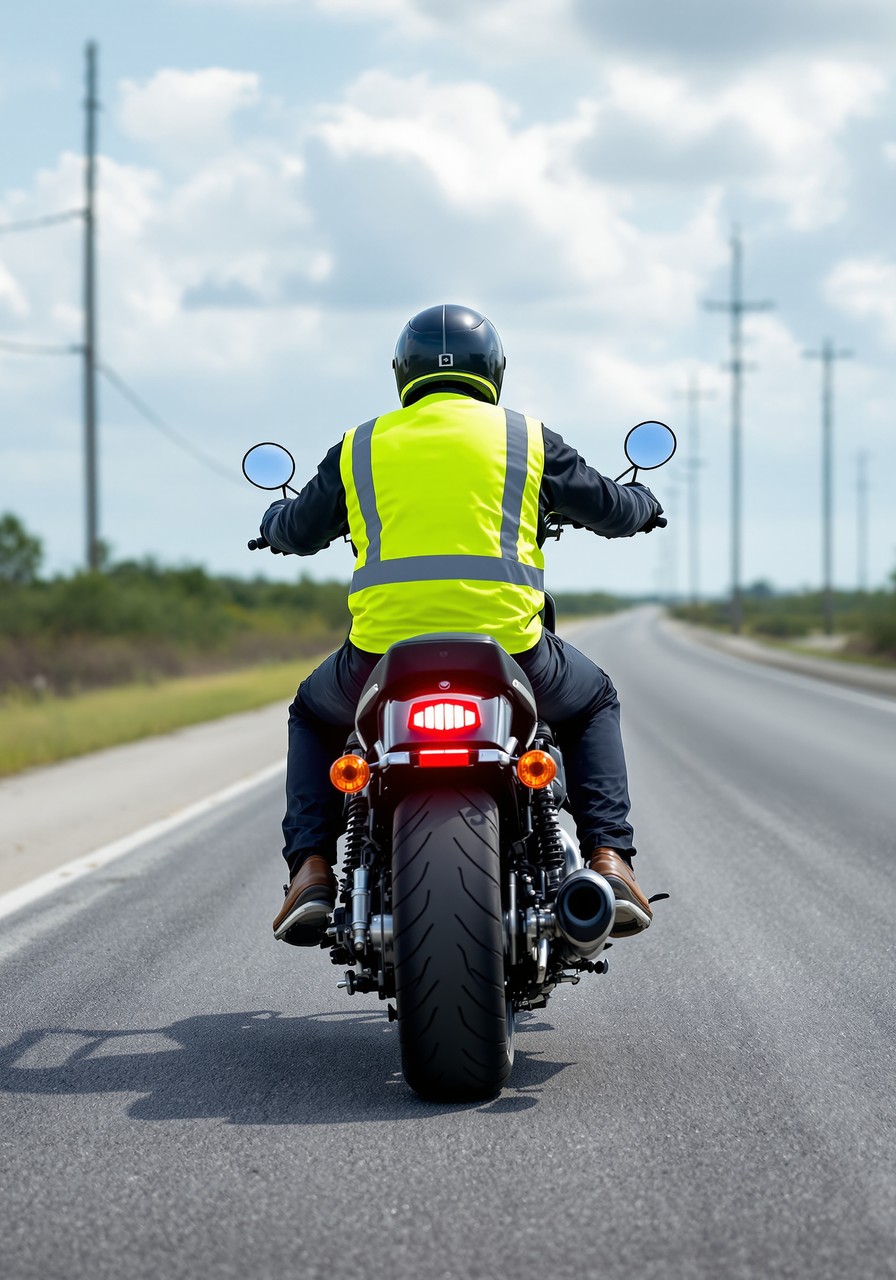
Safety & WA Law
Intersections are where most rider crashes happen. Slow before you enter, cover the brakes, and have an escape line picked out. #RideNationWA #MotorcycleSafety #SeattleRiders
Engagement
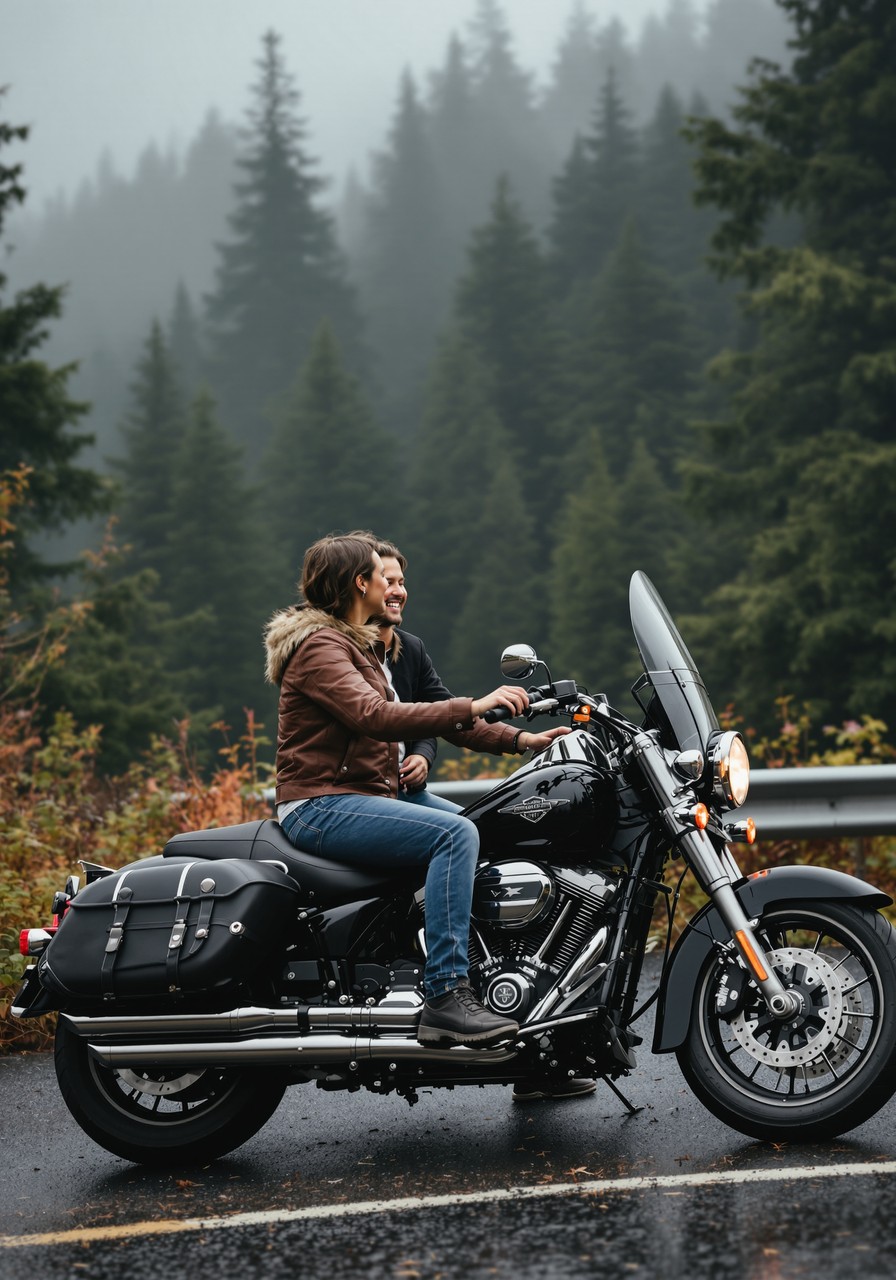
This or that: Chuckanut curves in the mist or Chinook Pass switchbacks in the sun. Dream about it with us. #RideNationWA #ChuckanutDrive #MountRainier
Giveaway & Countdown
Countdown mode, riders. The BikersWin giveaway is closing in and the prize is huge. #RideNationWA #BikersWin #SeattleRiders
Local WA & Rides
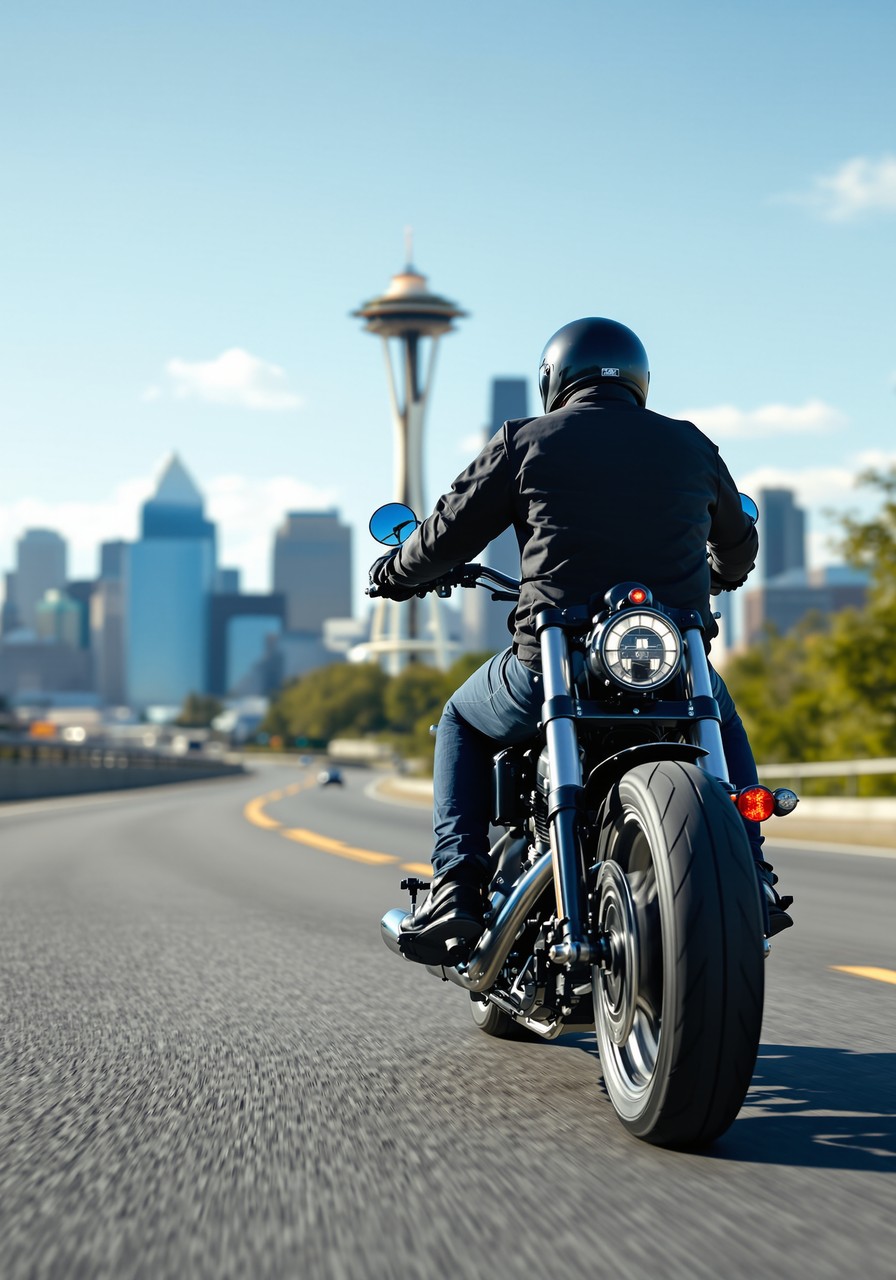
Puget Sound drizzle turns painted crosswalks and arrows into ice rinks. Stand the bike up before you touch them and brake on the dry stuff. #RideNationWA #SeattleRiders
Gear & New Iron
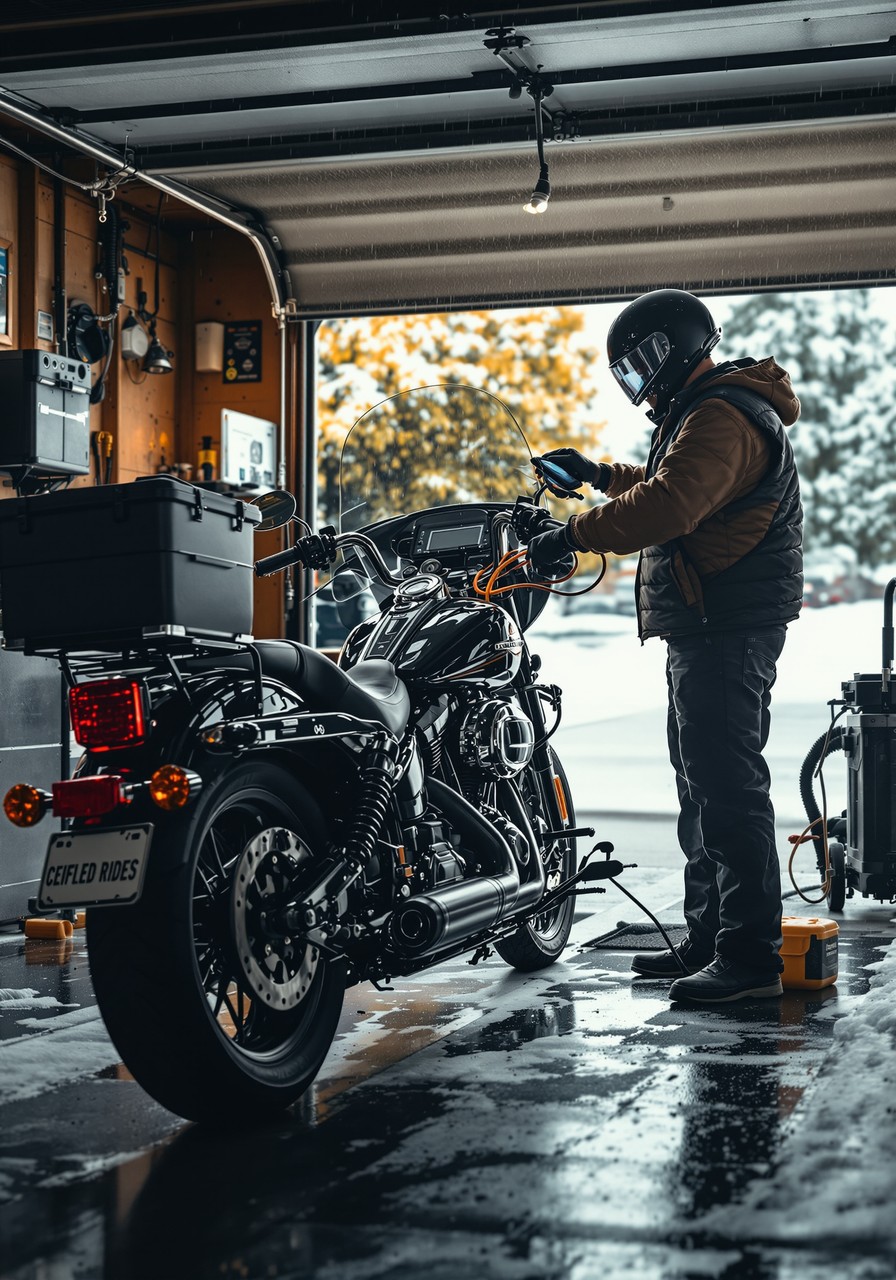
Brake fluid absorbs moisture, and moisture lowers its boiling point and its feel. If you cannot remember your last flush, it is due. #RideNationWA #MotorcycleMaintenance #RiderTips
Safety & WA Law
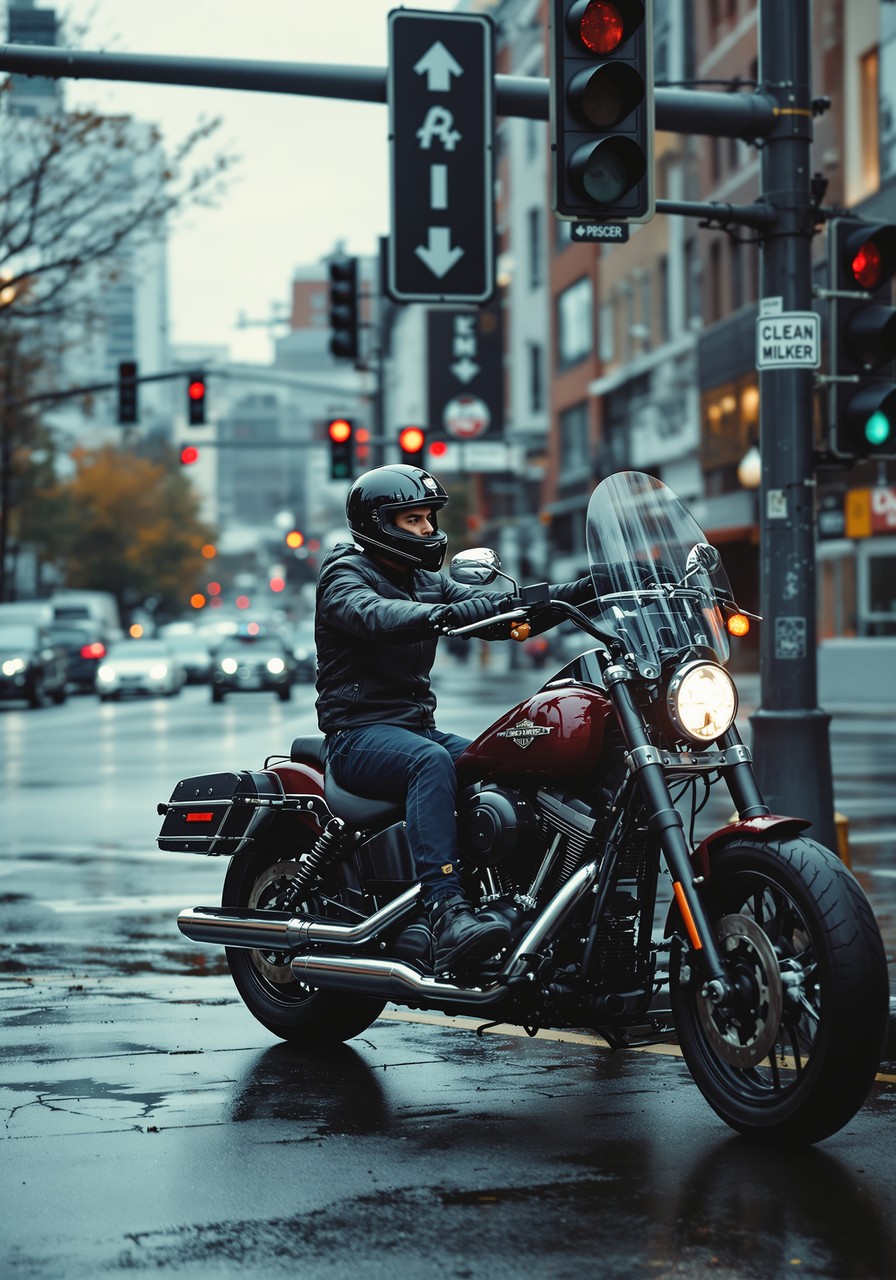
Insurers are not neutral. After a crash their goal is to pay less, often by pinning fault on the rider. Get your own advocate before you sign anything. Call Washington Injury Law at (833) 388-2453. #RideNationWA #RiderRights #WashingtonRiders
Engagement
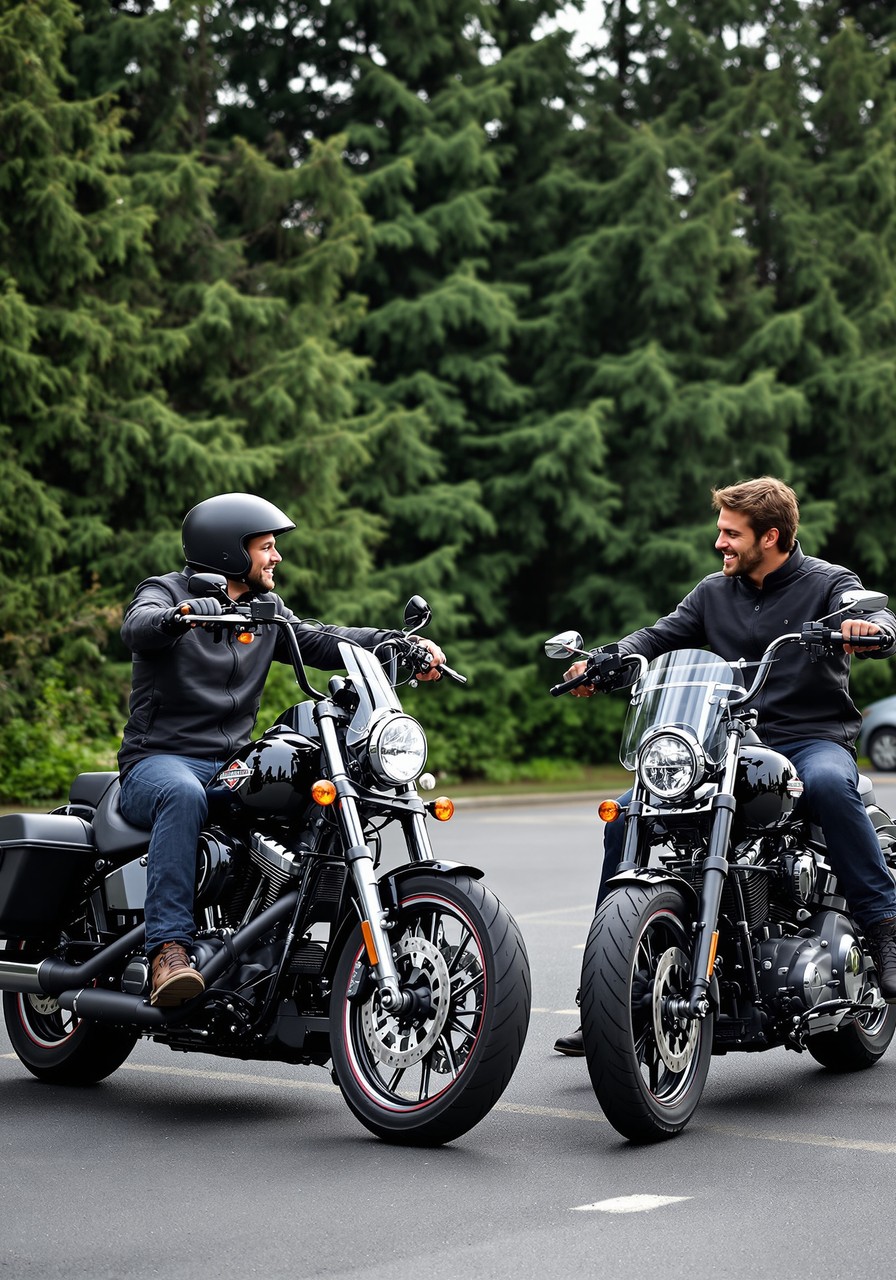
Tag your newest riding buddy from this year. Time to welcome them to Ride Nation Seattle. #RideNationWA #RideOrDie #SeattleRiders
Giveaway & Countdown
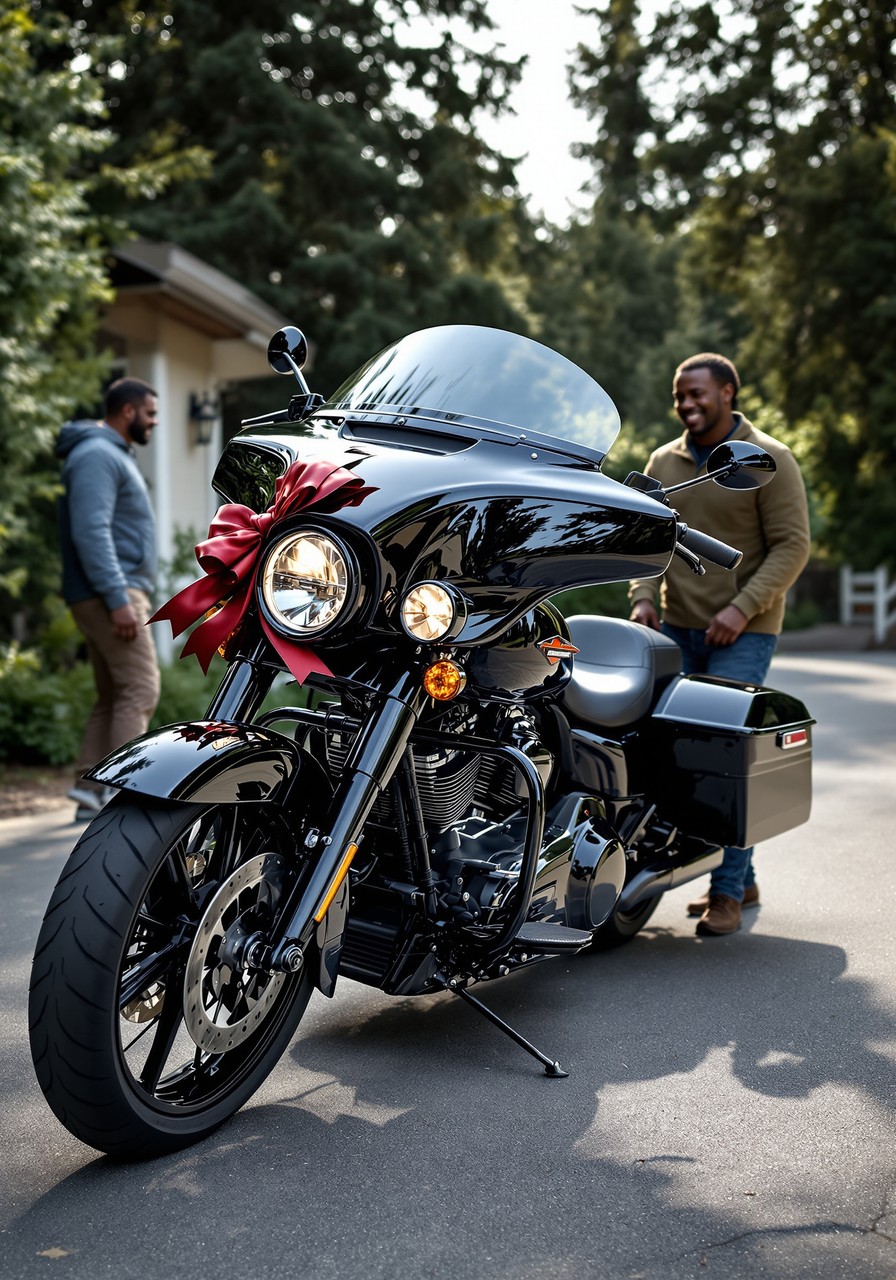
Twenty thousand reasons to check in with us. If you have been in a crash, ask how your claim enters you. Call (833) 388-2453. #RideNationWA #MotorcycleGiveaway #WashingtonRiders
Local WA & Rides
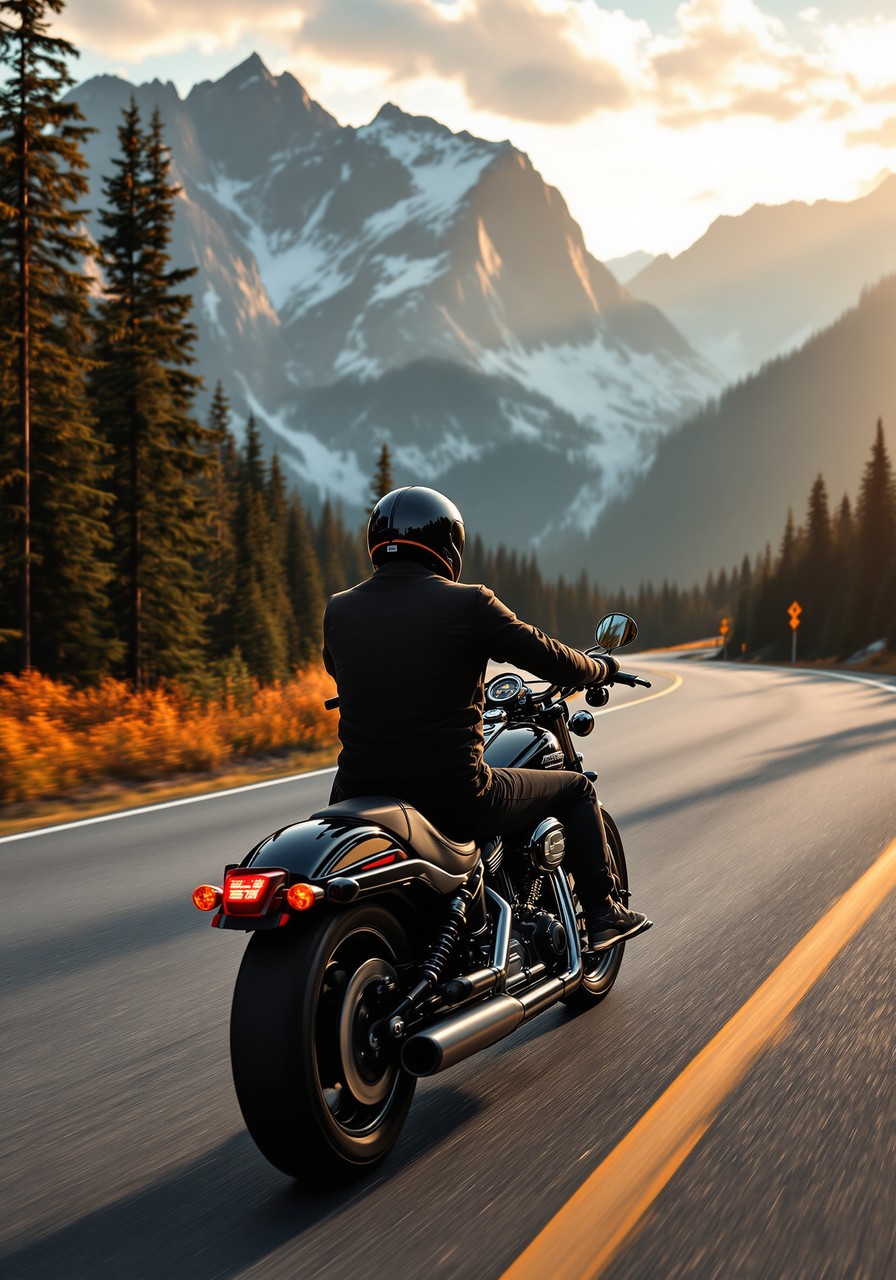
The old Sunset Highway loop off I-90 near Snoqualmie is a fun detour when the pass is dry. Slower pace, older asphalt, and no rush. #RideNationWA #SnoqualmiePass #MotorcycleRoads
Gear & New Iron
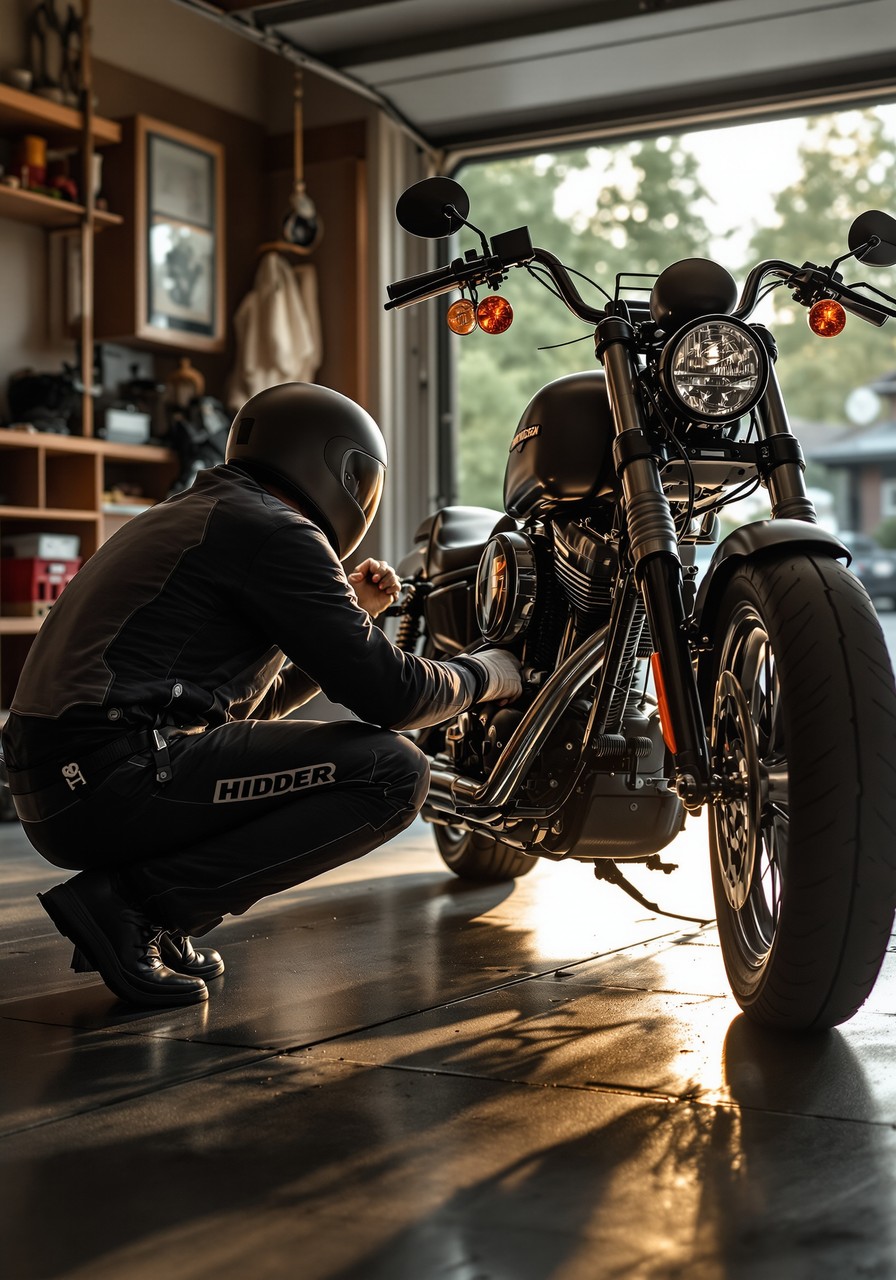
Winter storage prep in one line: fuel stabilizer in a full tank, tender on the battery, tires off the cold concrete, and cover it in a dry space. #RideNationWA #MotorcycleMaintenance #PNWMoto
Safety & WA Law
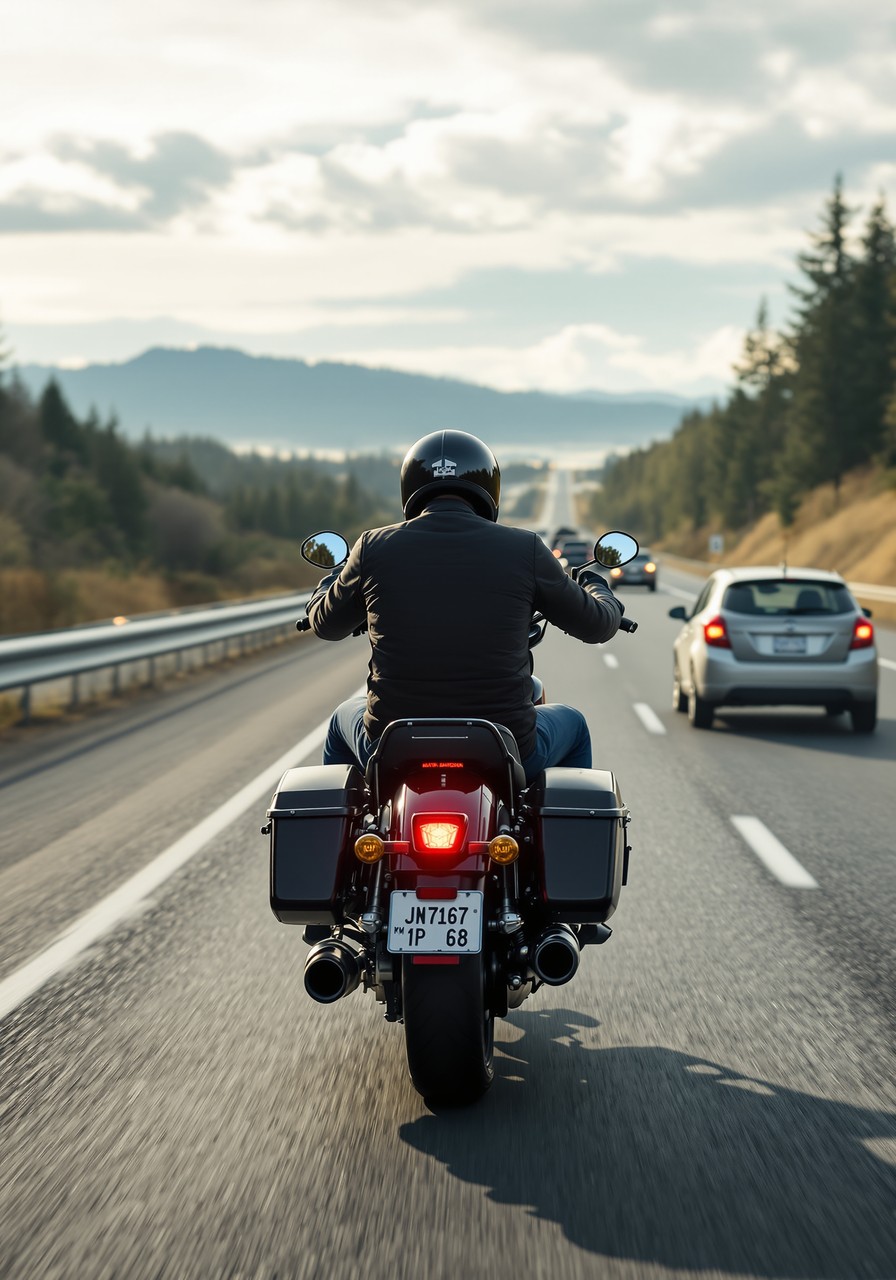
Metal expansion joints and manhole covers turn to ice skates when wet. Spot them early and keep the bike upright as you roll across. #RideNationWA #SeattleRiders #MotorcycleSafety
Engagement
Poll: how do you store the bike for winter. Trickle charger, weekly start, or ride it anyway? Vote. #RideNationWA #PNWMoto #TwoWheels
Giveaway & Countdown
Share this with the rider who needs a win right now. The BikersWin $20,000 giveaway could be theirs. #RideNationWA #20kGiveaway #PNWMoto
Local WA & Rides
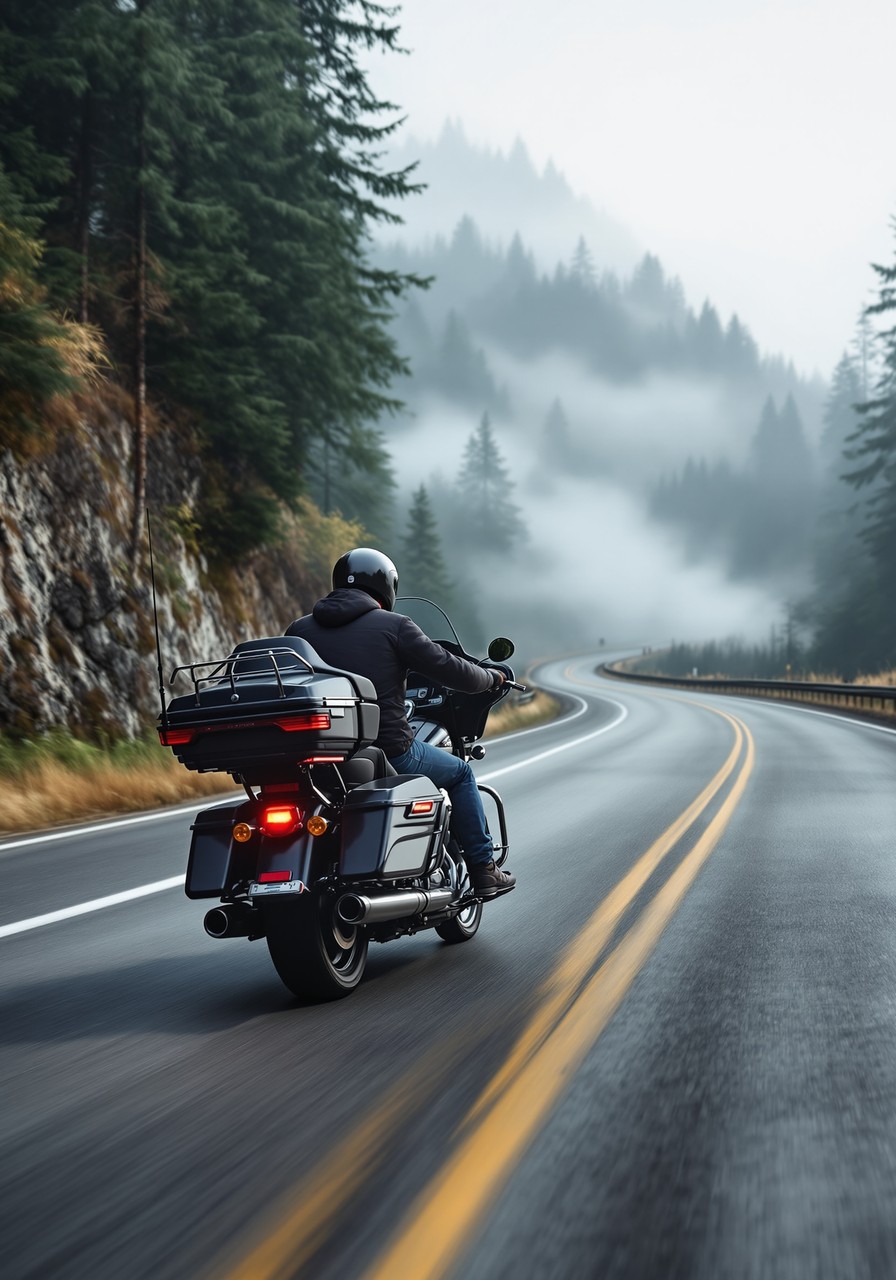
Cold tires do not grip on a 40-degree morning. Give them a few easy miles before you lean it into the first Chuckanut sweeper. #RideNationWA #ChuckanutDrive #PNWMoto
Gear & New Iron
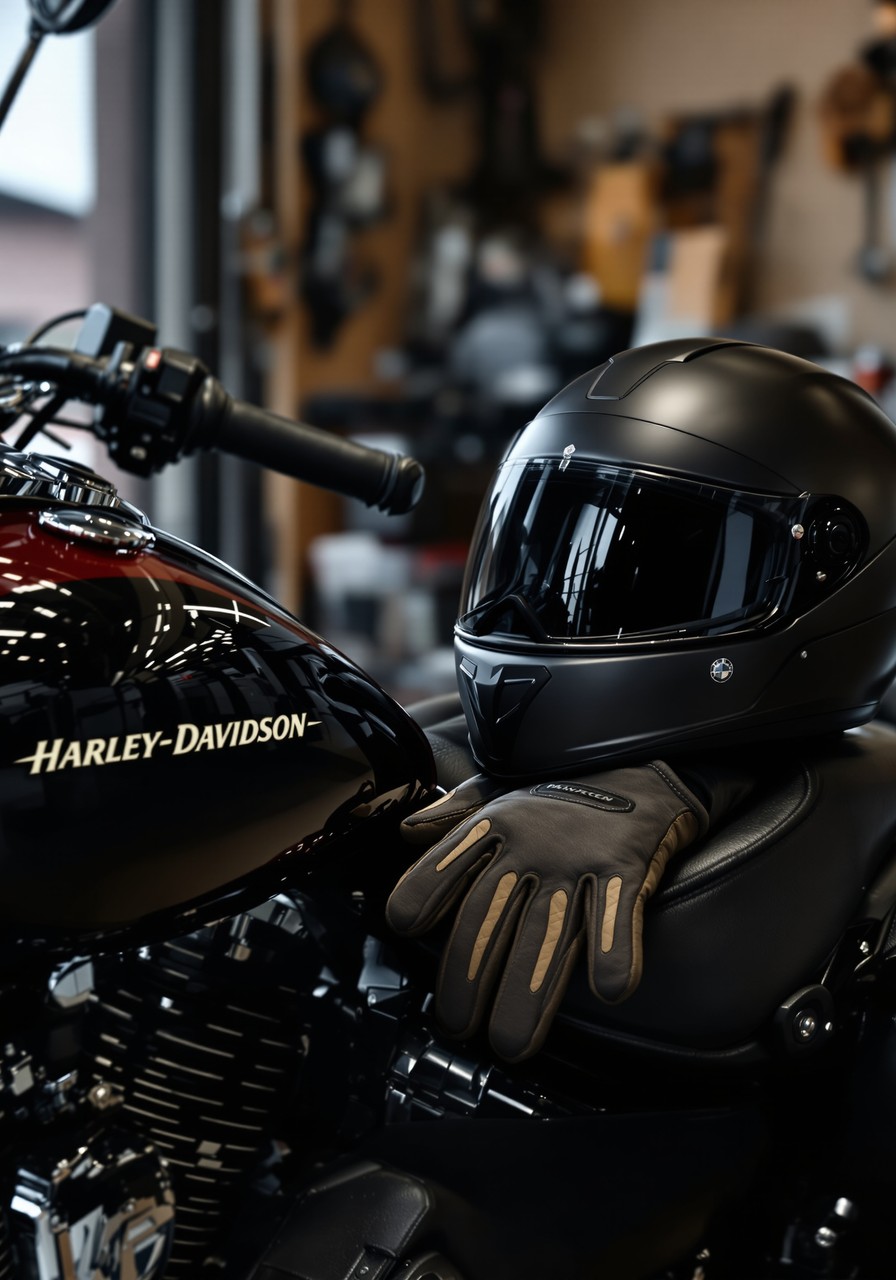
Fuel stabilizer before storage keeps the gas from turning to varnish in your carbs or injectors. Add it, then run the bike a few minutes so it reaches the fuel system. #RideNationWA #MotorcycleMaintenance #RiderTips
Safety & WA Law
Your health insurance and your UM/UIM often do more heavy lifting than PIP for injured riders in Washington. Know your stack before the crash, not after. Free case review at (833) 388-2453. #RideNationWA #KnowYourRights #RiderRights
Engagement
Caption this: the whiteboard countdown to the day the passes reopen. Give the scene a title. #RideNationWA #MountRainier #PacificNorthwest
Giveaway & Countdown
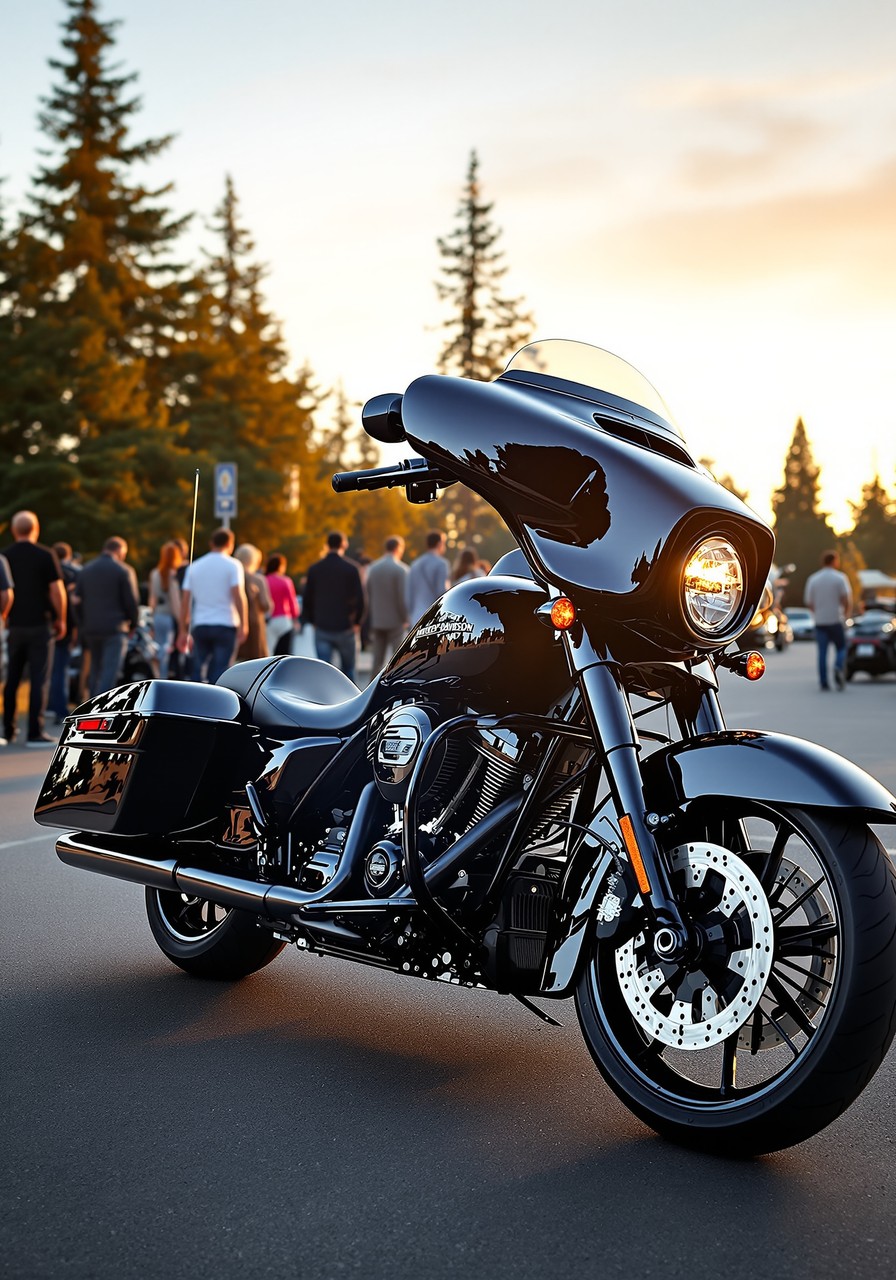
We love seeing Ride Nation Seattle spread the word. Keep tagging, keep sharing, keep the countdown alive. #RideNationWA #BikersWin #SeattleRiders
Local WA & Rides
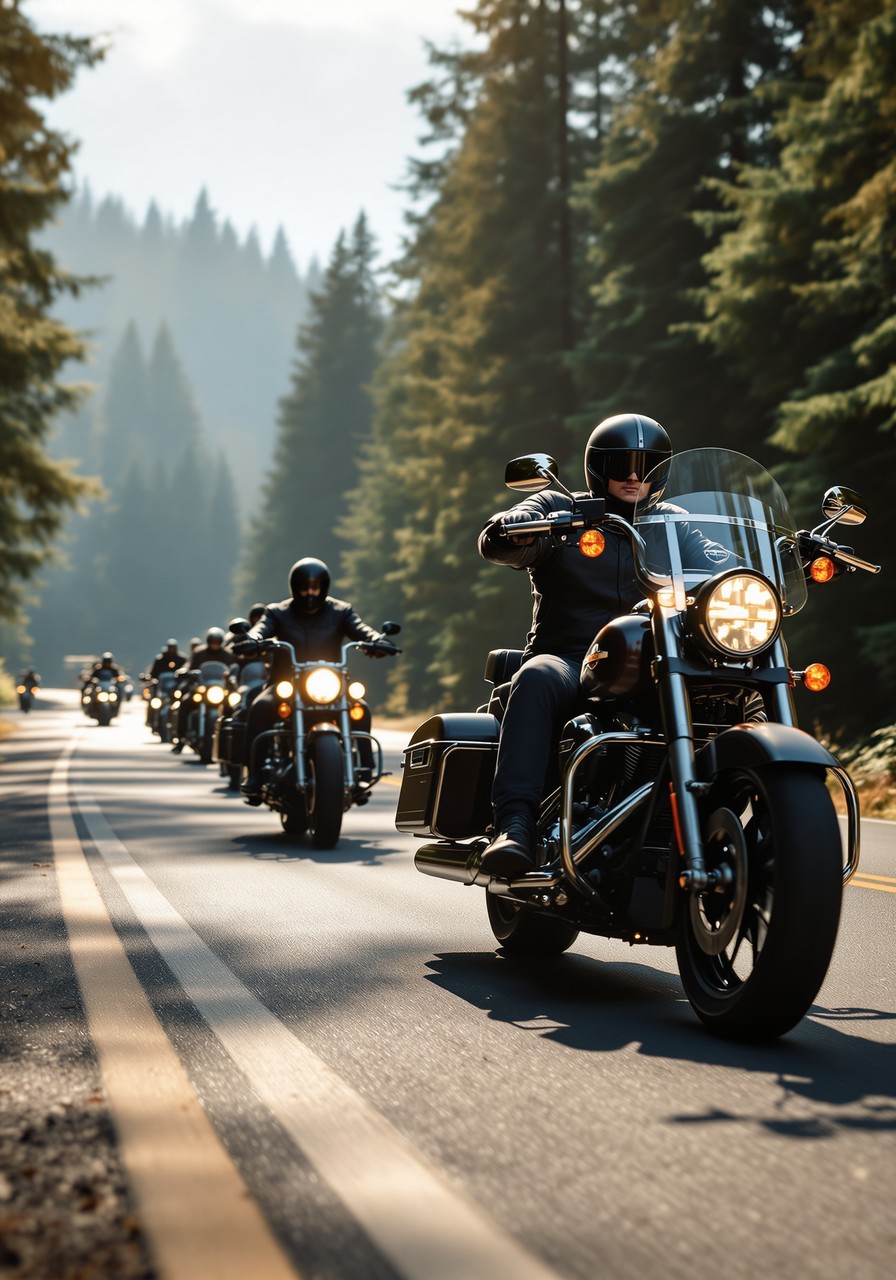
The I-90 floating bridge into the city catches crosswind gusts off the water. Keep a loose grip, look through it, and hold your line. #RideNationWA #SeattleRiders
Gear & New Iron
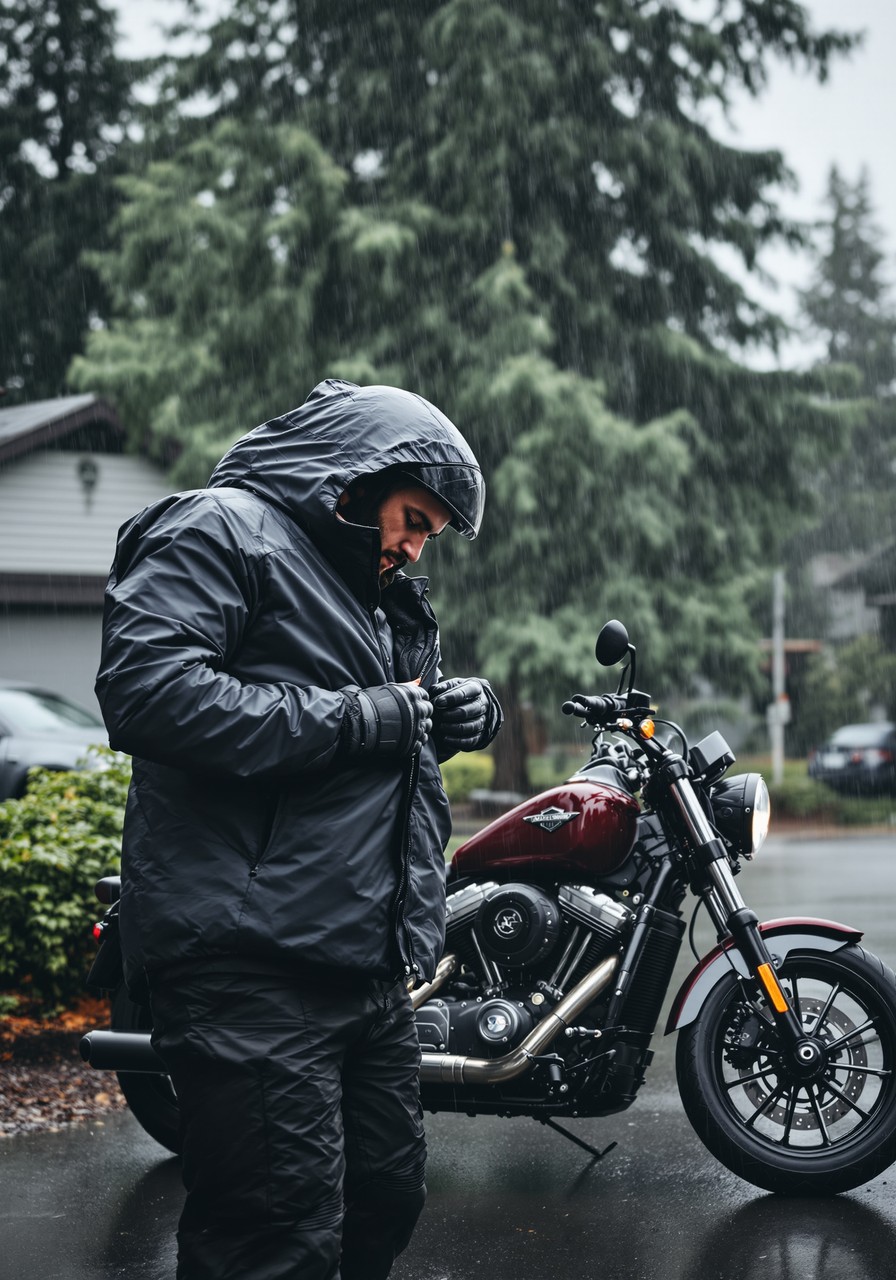
Damp storage is the quiet enemy here. A bike parked wet grows rust and mildew over winter. Dry it off, and toss a moisture absorber in the garage. #RideNationWA #MotorcycleMaintenance #PNWMoto
Safety & WA Law
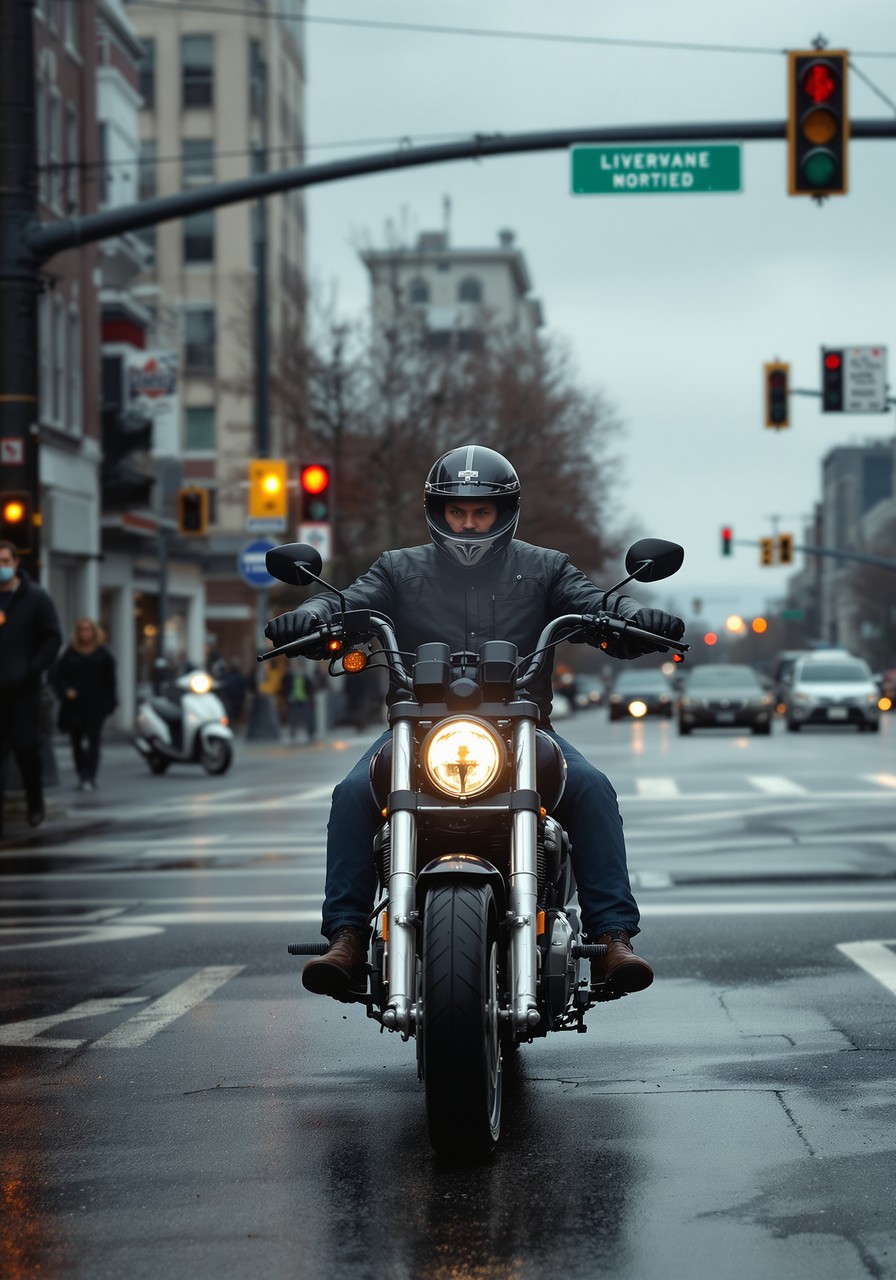
Loud pipes help less than bright gear and smart positioning. Be visible from the front, where the danger actually comes from. #RideNationWA #ATGATT #MotorcycleSafety
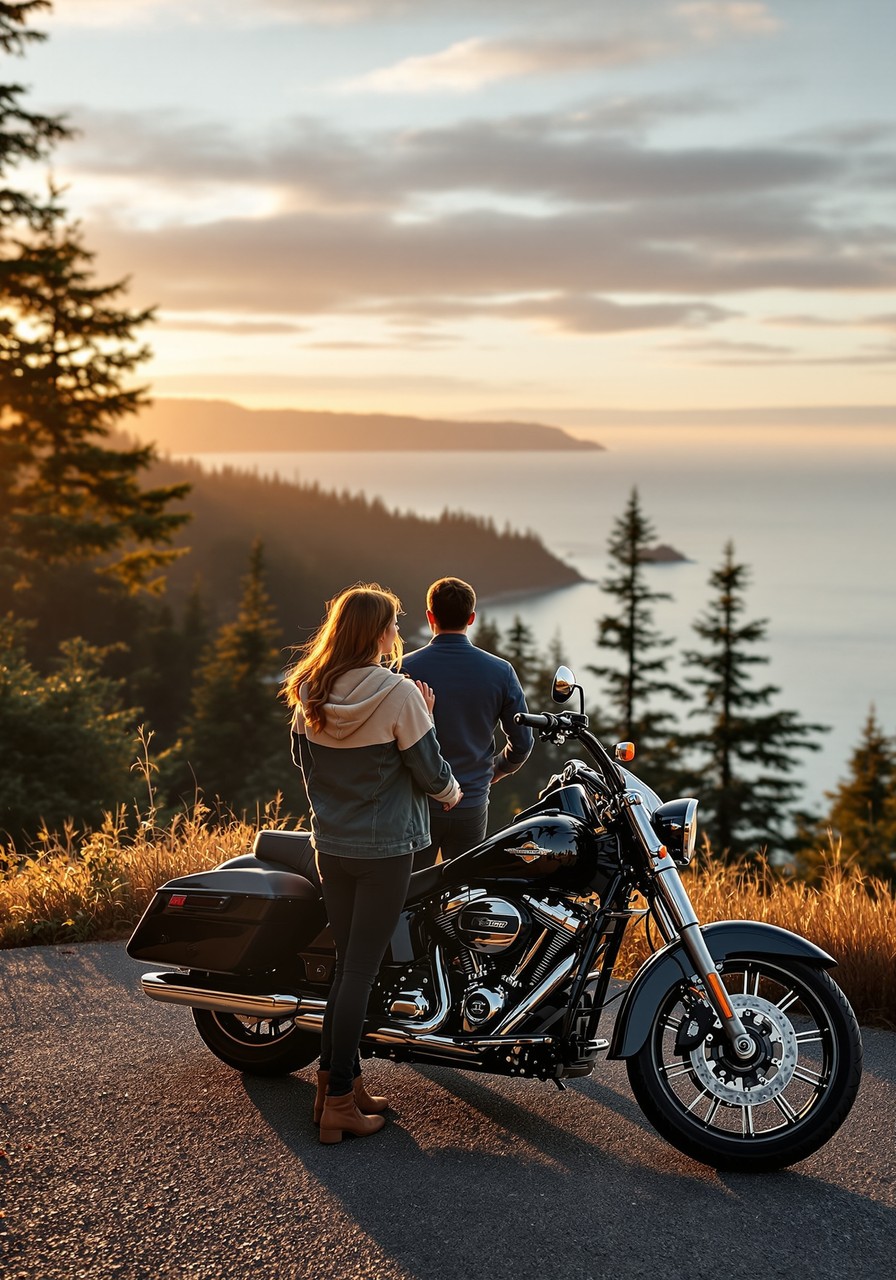
Engagement
Question: what one road do you tell every new Washington rider they have to do before summer? #RideNationWA #WashingtonRiders #SeattleRiders
Giveaway & Countdown
Your crash claim and your giveaway entry can start with the same phone call. Reach Washington Injury Law at (833) 388-2453. #RideNationWA #20kGiveaway #WashingtonRiders
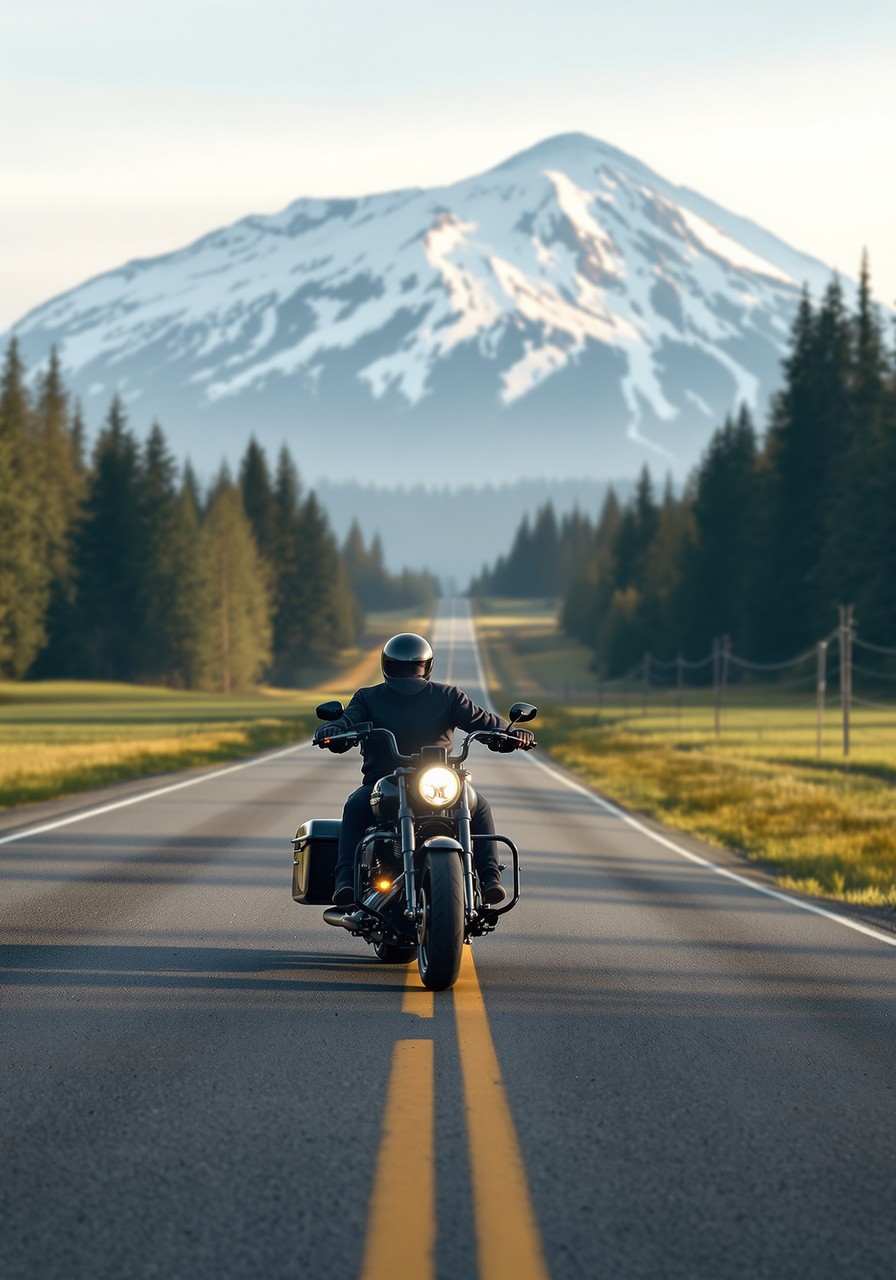
Local WA & Rides
Rainier show-off run: SR-410 up to Chinook, then back down as the light fades. Save it for a clear summer day once the gate is open. #RideNationWA #MountRainier #OlympicPeninsula
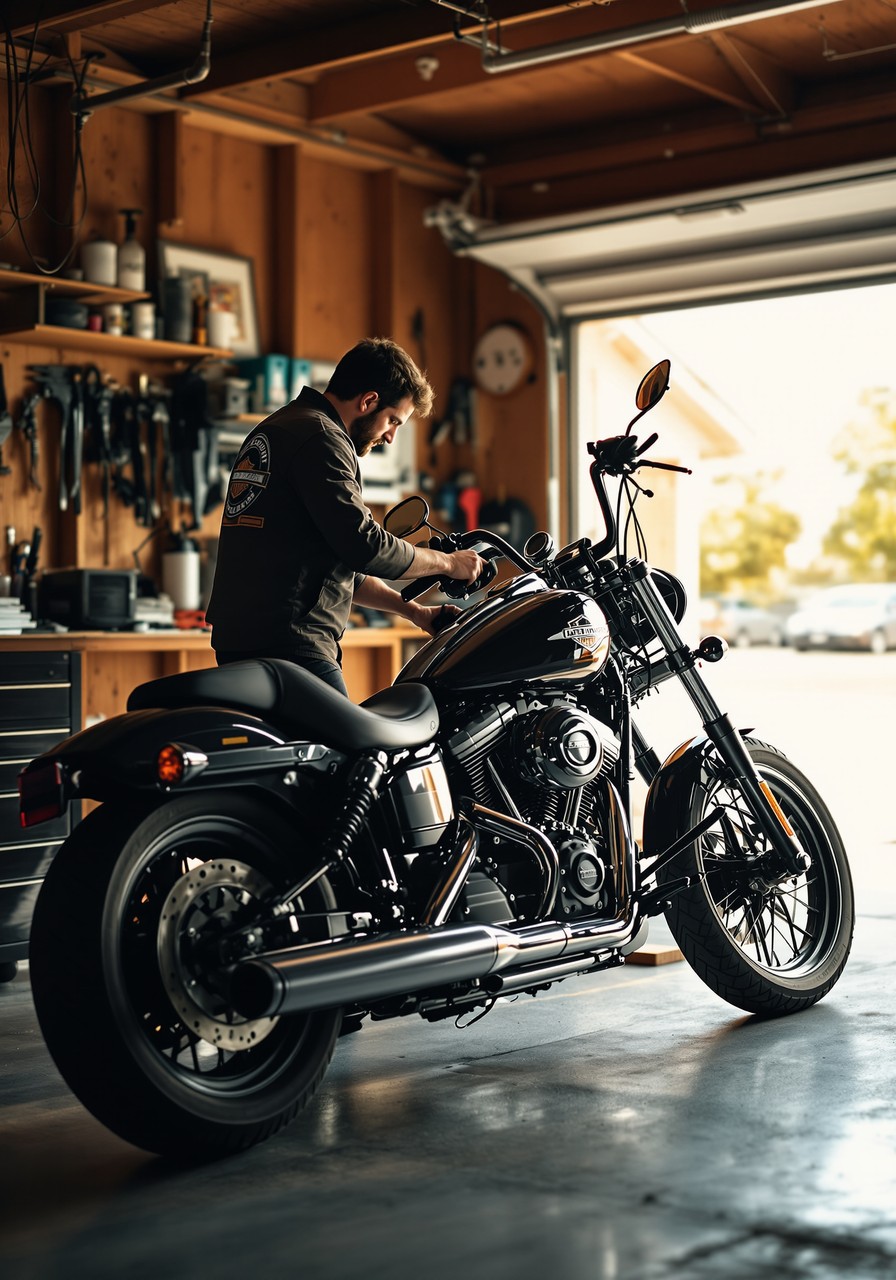
Gear & New Iron
Dry your gear, not just your bike. Wet boots and gloves stuffed in a corner breed mildew and stay clammy for days. Pull the liners and let them air out. #RideNationWA #GearUp #RiderTips
Safety & WA Law
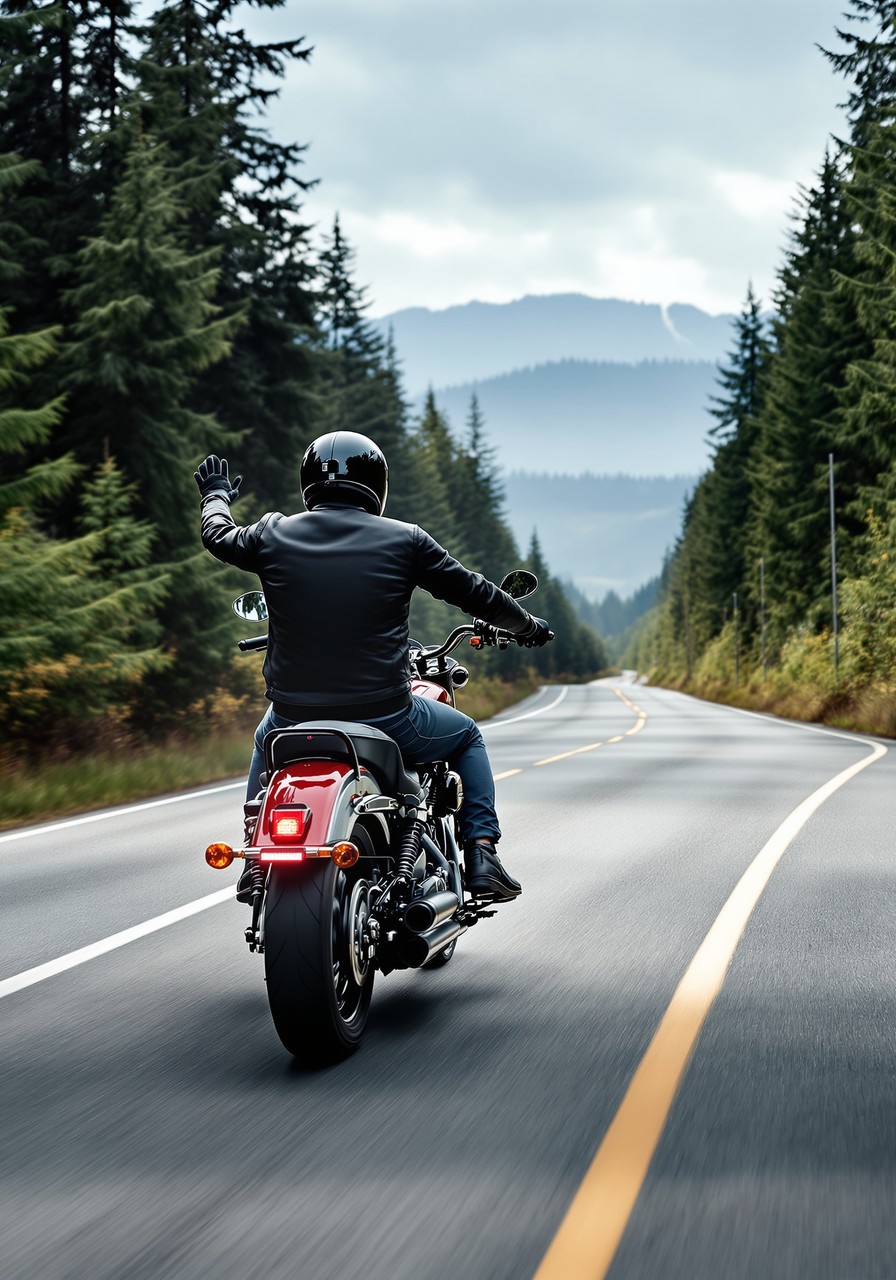
Getting cut off does not always make it your fault, and in Washington partial fault still leaves room to recover. Let someone sort out the percentages for you. Call (833) 388-2453. #RideNationWA #RiderRights #KnowYourRights
Engagement
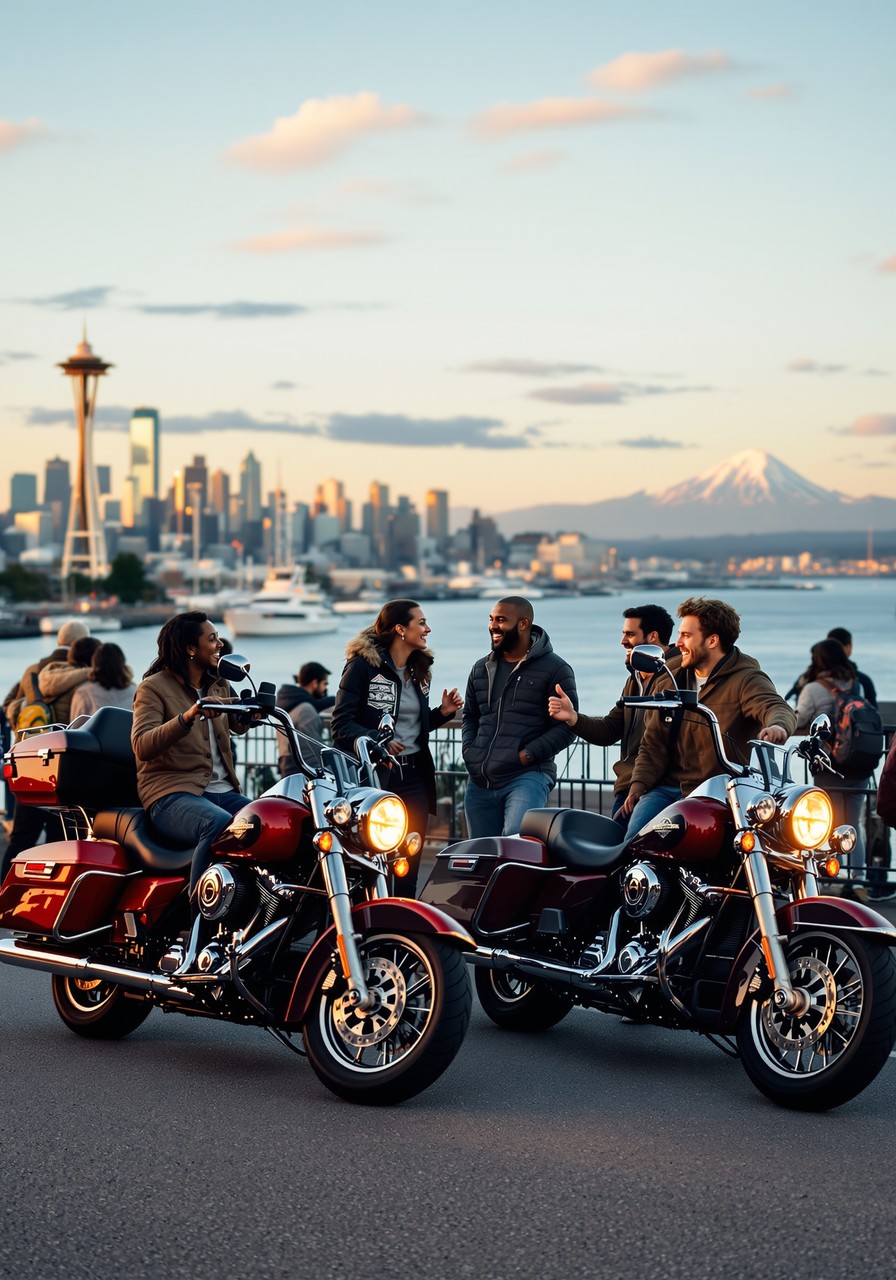
Favorite winter view you have caught from the saddle. Describe it or drop the photo below. #RideNationWA #PacificNorthwest #PNWMoto
Giveaway & Countdown
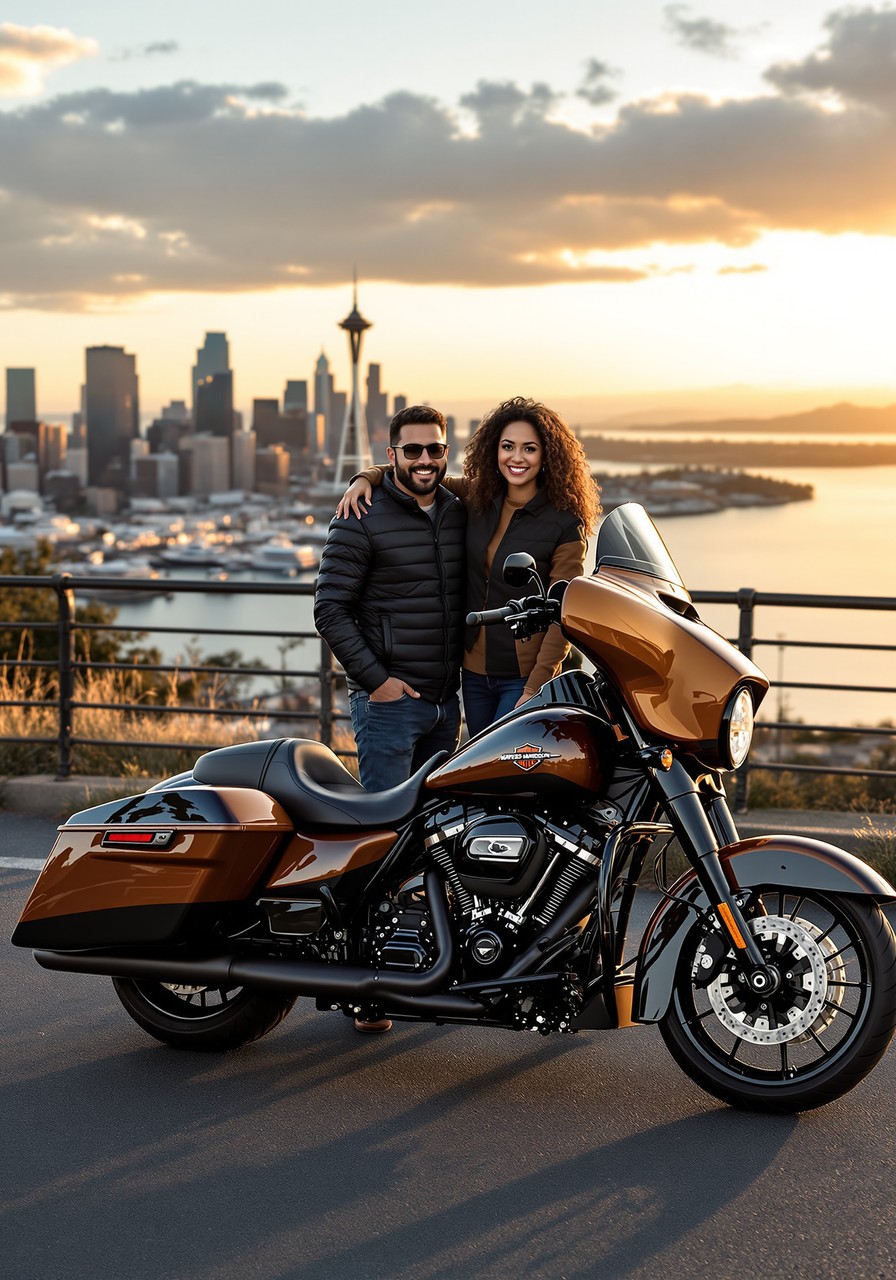
The BikersWin giveaway waits for no one. Get entered, get hyped, and watch that countdown. #RideNationWA #MotorcycleGiveaway #PNWMoto
Local WA & Rides
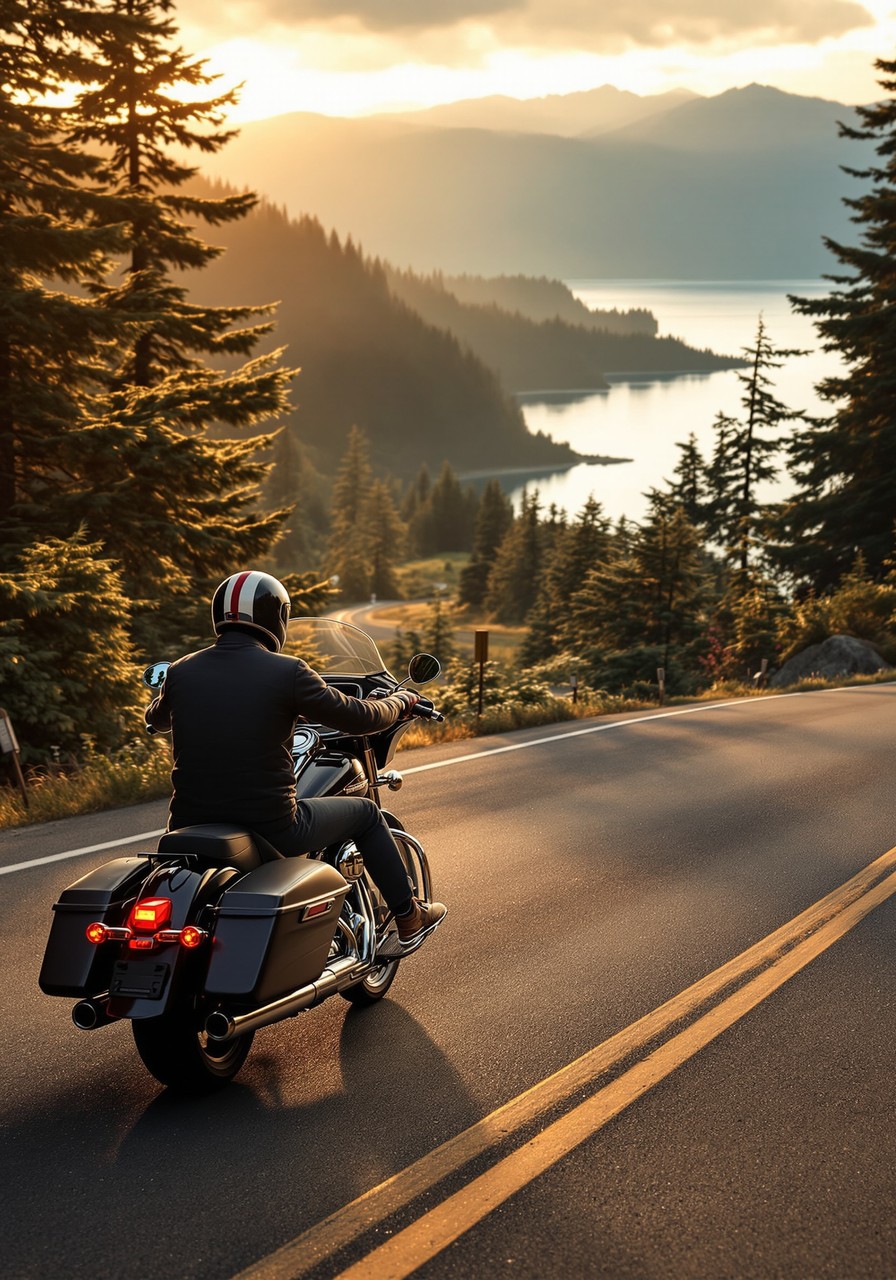
February teases us with one dry weekend. When it lands, a low-elevation loop around the Sound beats waiting on a snowed-in pass. #RideNationWA #SeattleRiders #PNWMoto
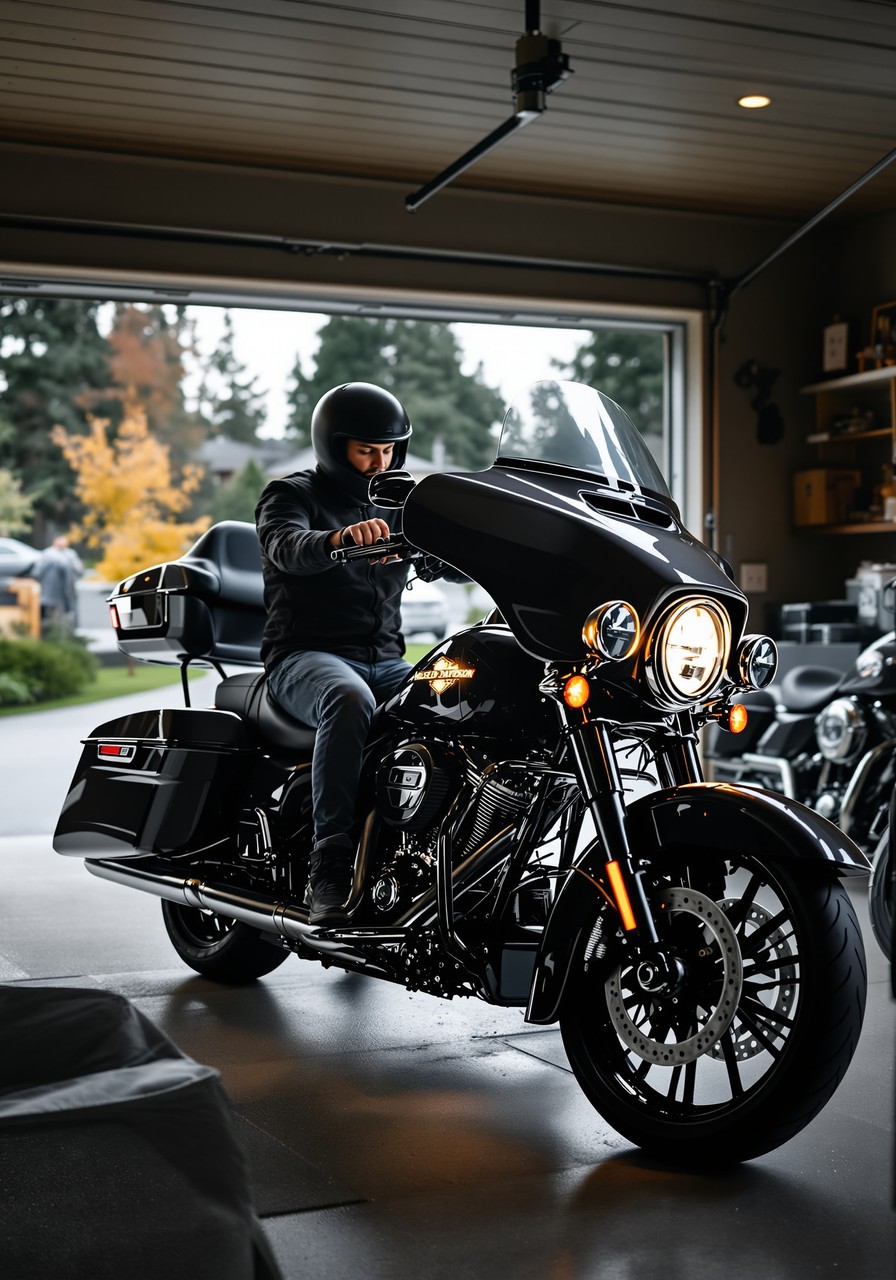
Gear & New Iron
Boot and glove dryers are underrated PNW gear. Warm dry gear in the morning makes the whole cold ride better, and it keeps the leather from rotting. #RideNationWA #GearUp #PNWMoto
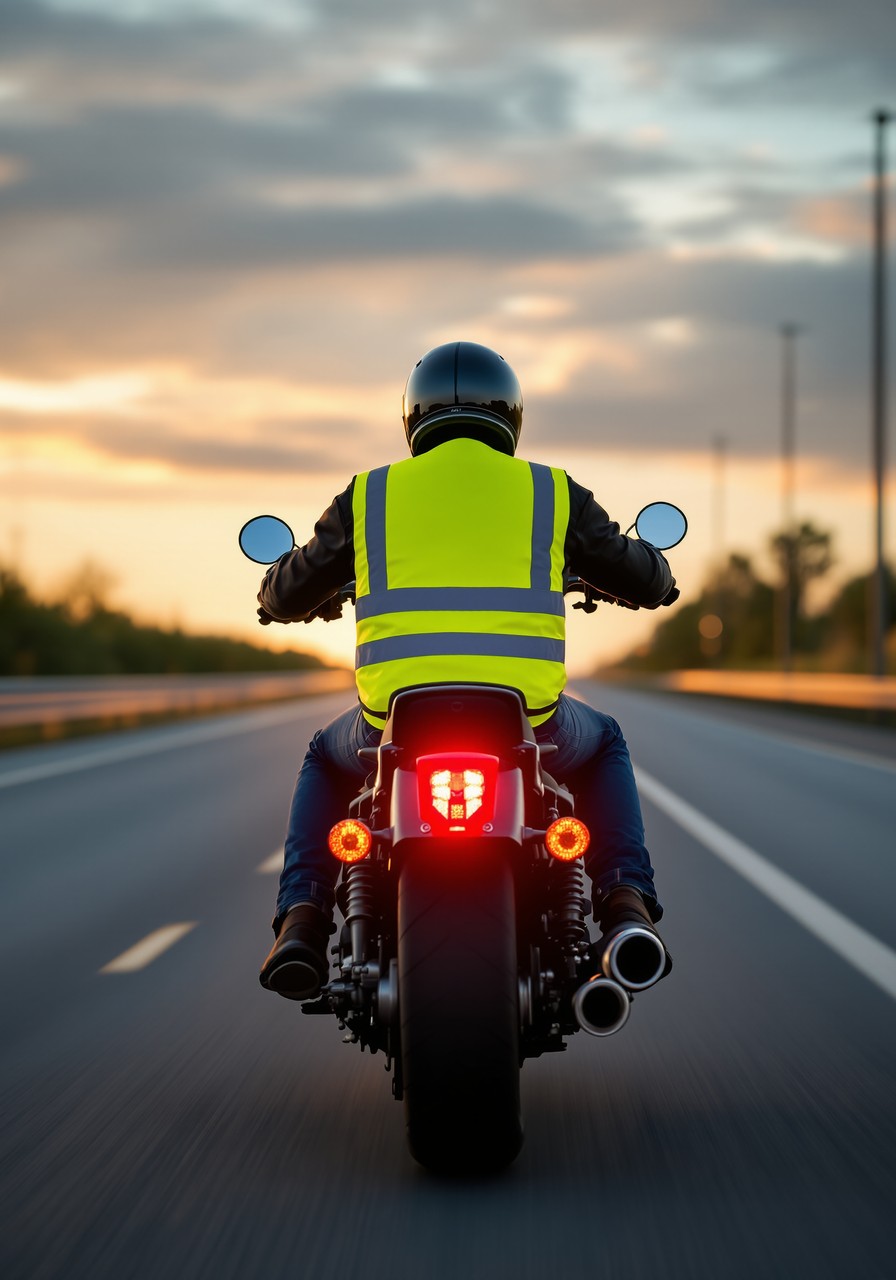
Safety & WA Law
Gravel and sand collect at the mouth of PNW driveways and on-ramps after every storm. Look through the corner and set your line wide of the debris. #RideNationWA #PNWMoto #MotorcycleSafety
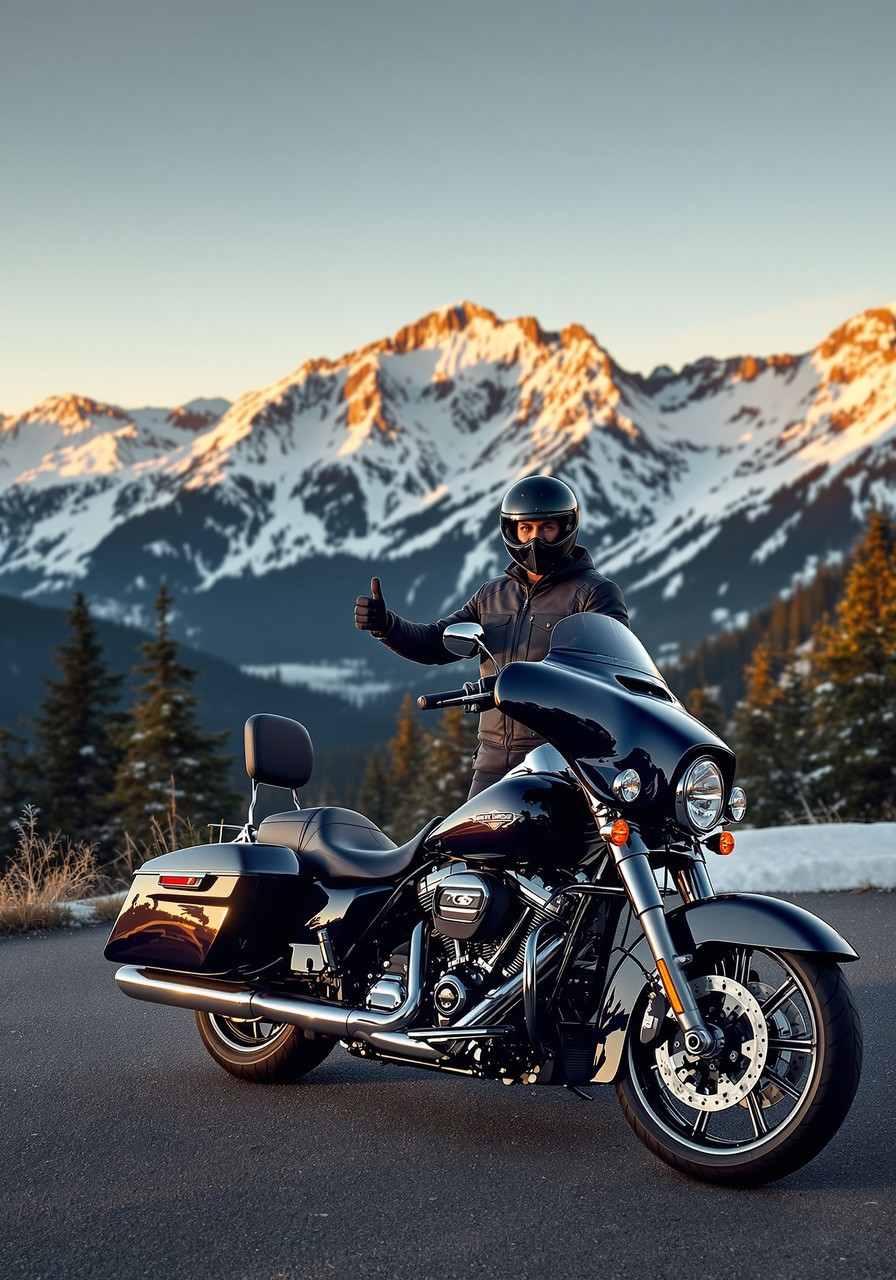
Engagement
Fill in the blank: spring plans are locked, first big ride is ______ with ______. Fill both in. #RideNationWA #MountRainier #TwoWheels
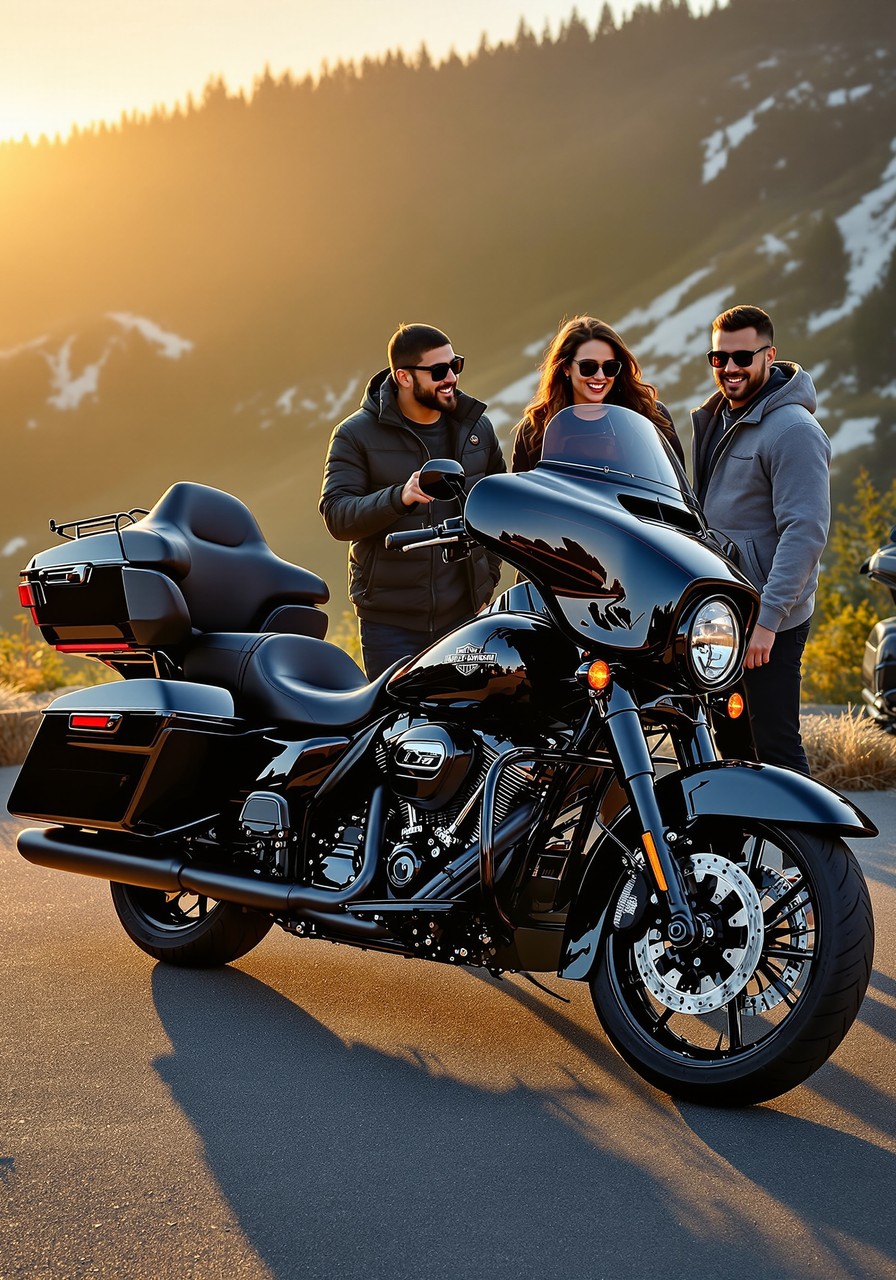
Giveaway & Countdown
Been hurt riding around the Sea-Tac area? Talk to us for free and land your spot in the $20,000 giveaway. (833) 388-2453. #RideNationWA #BikersWin #SeattleRiders
Local WA & Rides
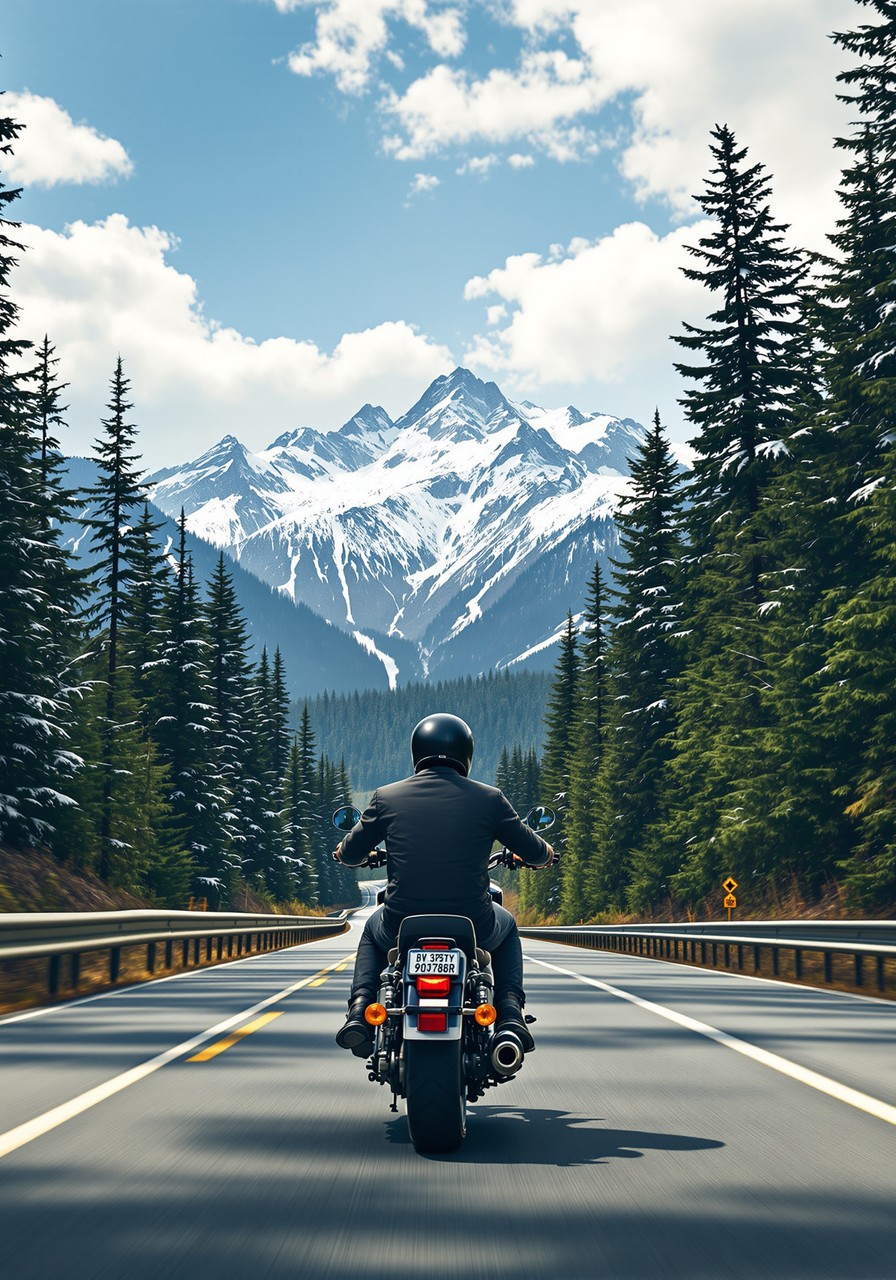
North Cascades on SR-20 in full green is one of the best rides in the state once it reopens. Patience through winter, then go early and go long. #RideNationWA #WashingtonRiders #MotorcycleRoads
Gear & New Iron
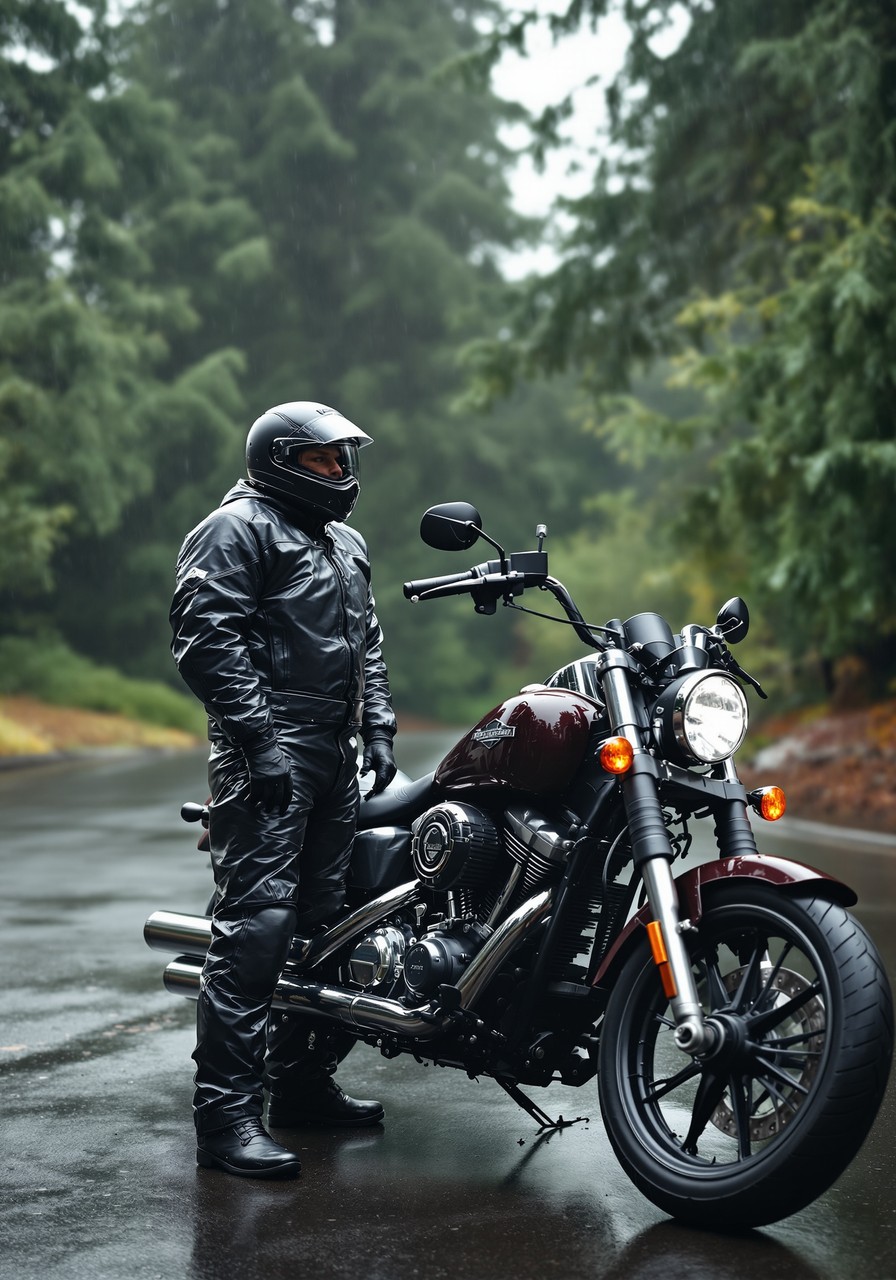
Eyeing new iron for spring? Test ride it in conditions you actually ride, which here means wet. A bike that feels planted in the rain is worth more than one number on a spec sheet. #RideNationWA #NewIron #RiderTips
Safety & WA Law
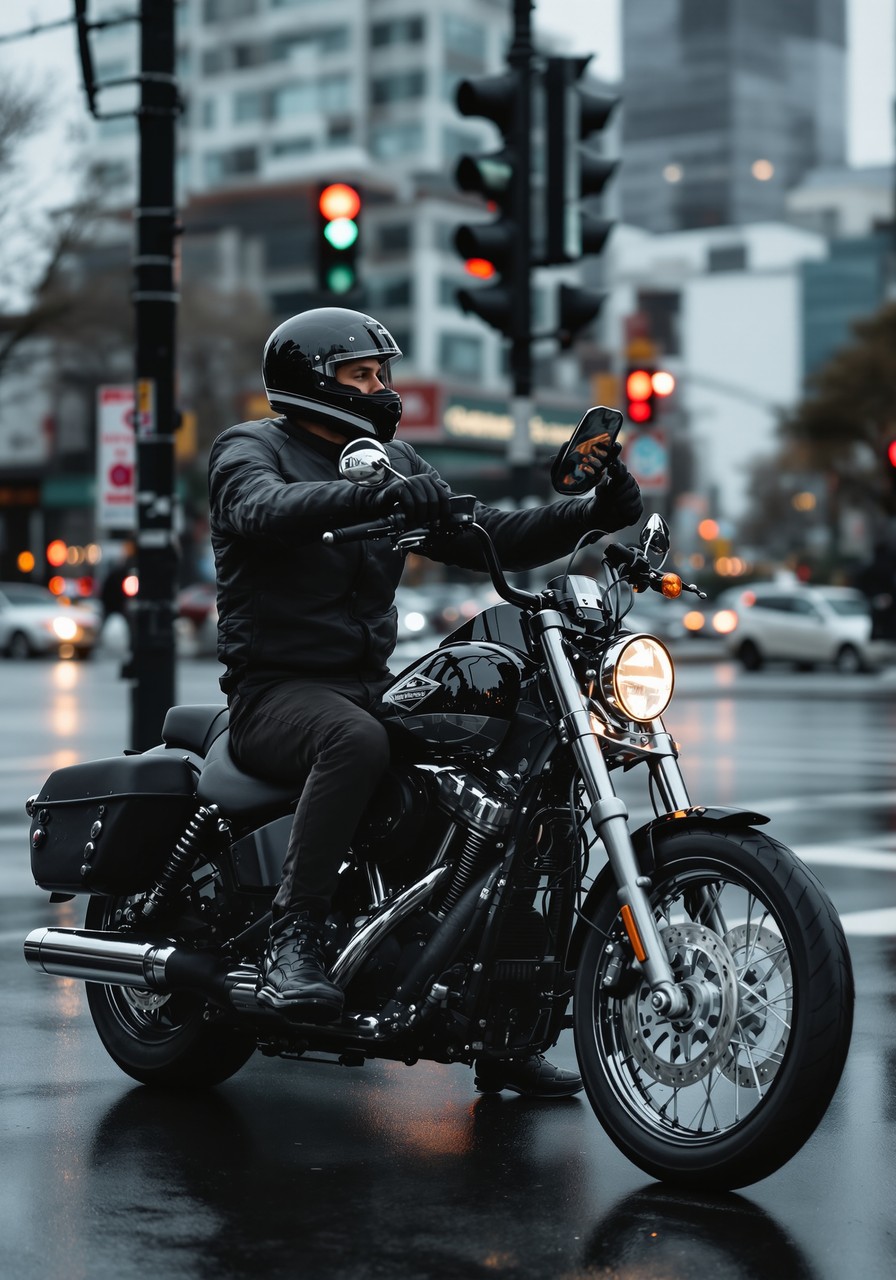
Get names and numbers from every witness at the scene. A neutral voice can settle the whole fault question later. Not sure what to gather? A free review can walk you through it. #RideNationWA #KnowYourRights #RiderRights
Engagement
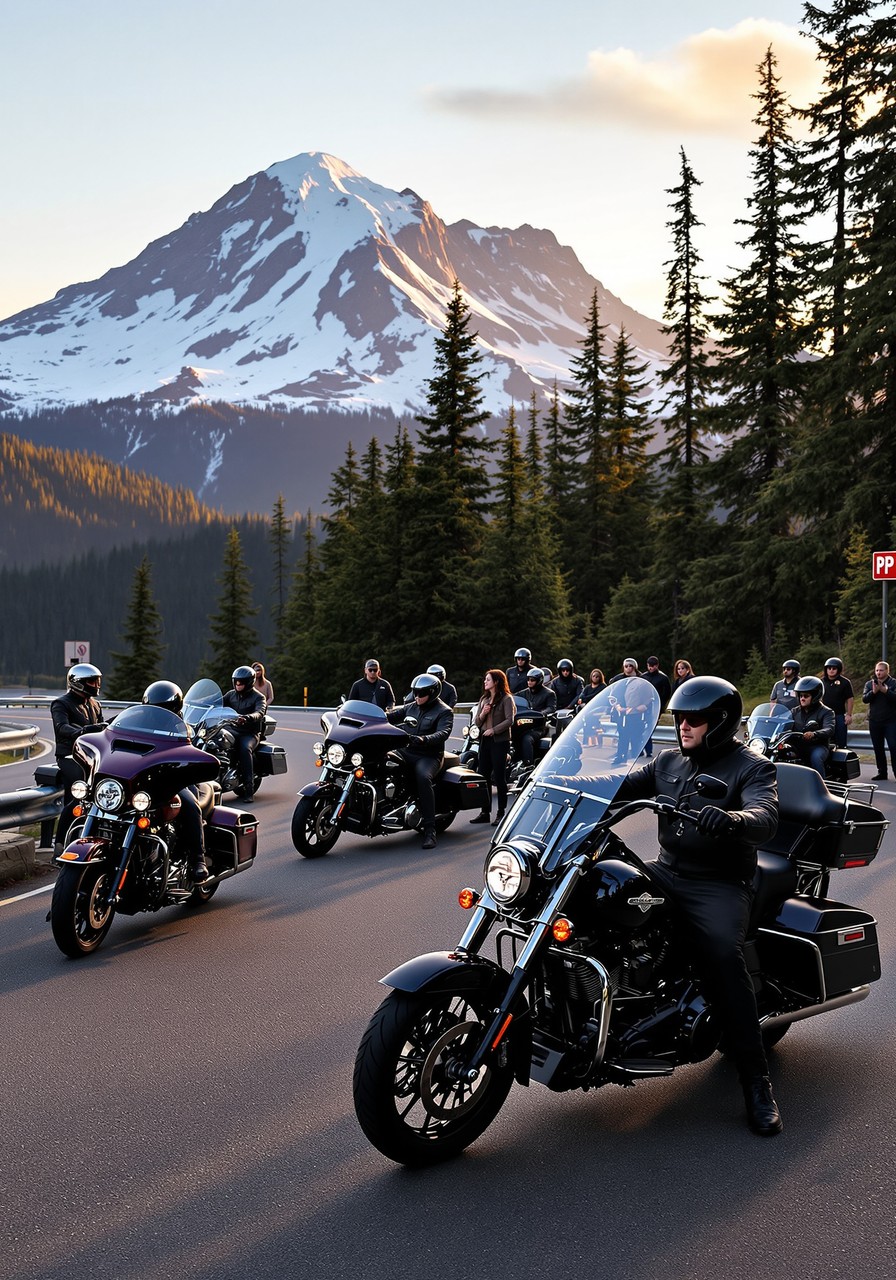
This or that: ride solo and clear your head or roll deep with the whole crew. Winter version. #RideNationWA #RideOrDie #WashingtonRiders
Giveaway & Countdown
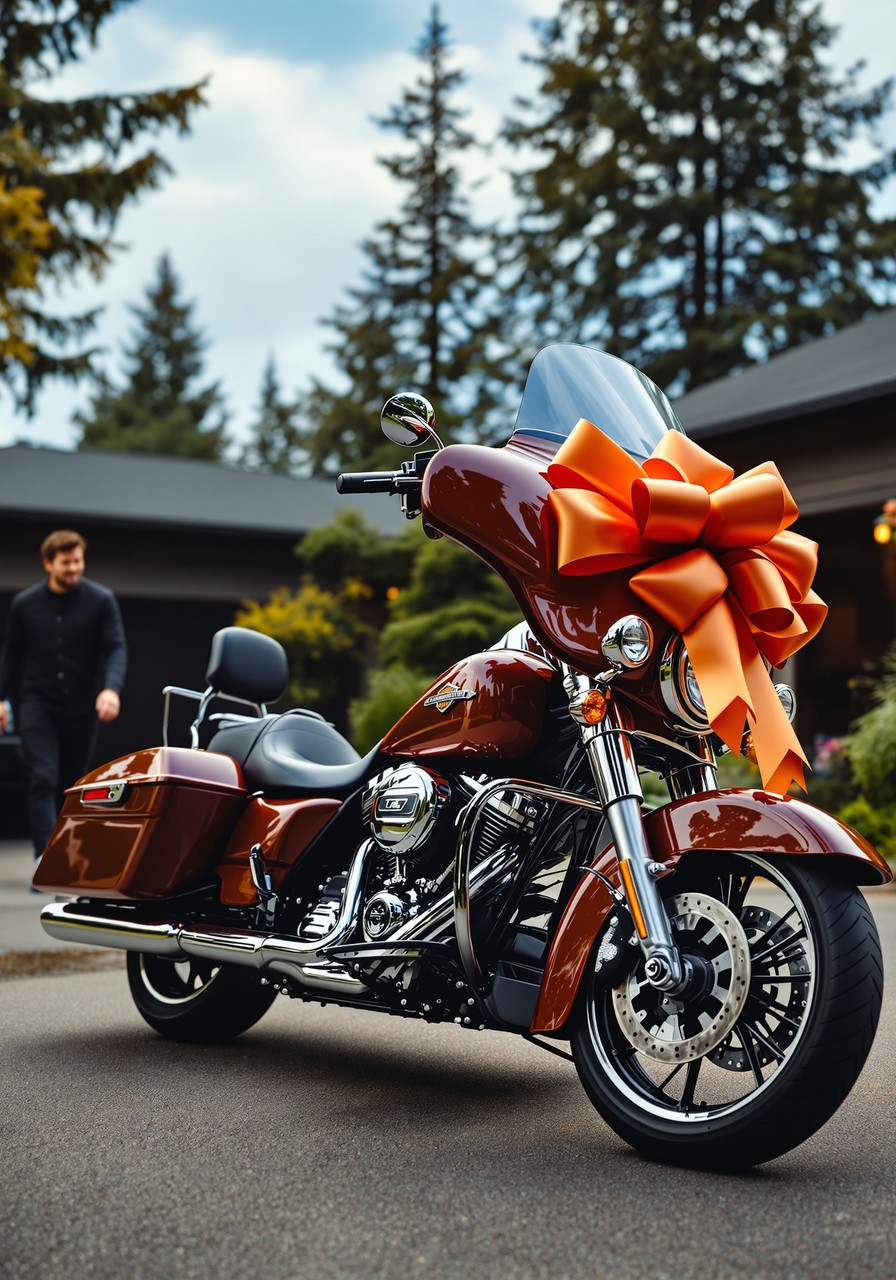
One rider is about to have the best day ever. Twenty thousand dollars from BikersWin is on the way. #RideNationWA #20kGiveaway #WashingtonRiders
Local WA & Rides
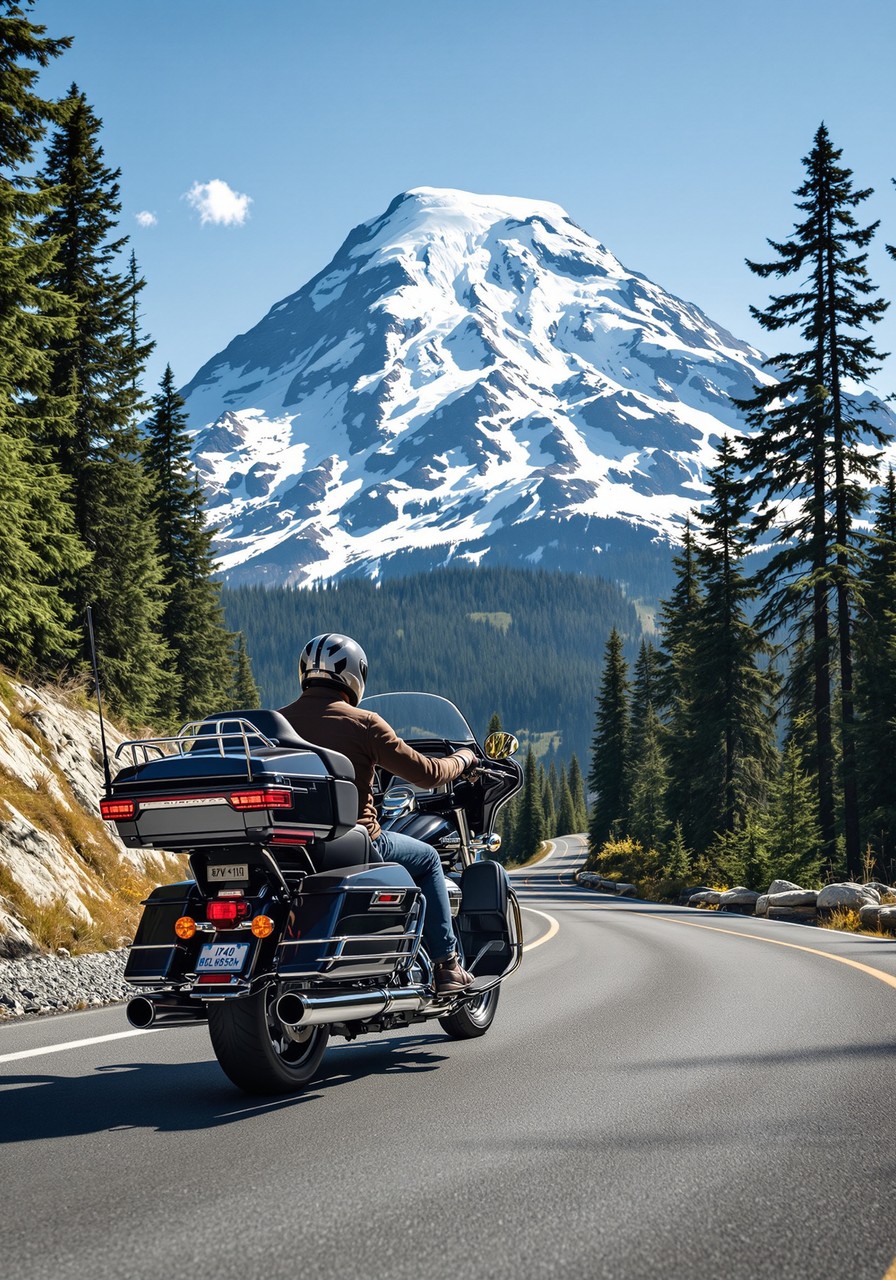
Ferry decks are steel and usually wet. Walk your bike to the front, ease onto the ramp, and mind the grating on and off. #RideNationWA #OlympicPeninsula #WashingtonRiders
Gear & New Iron
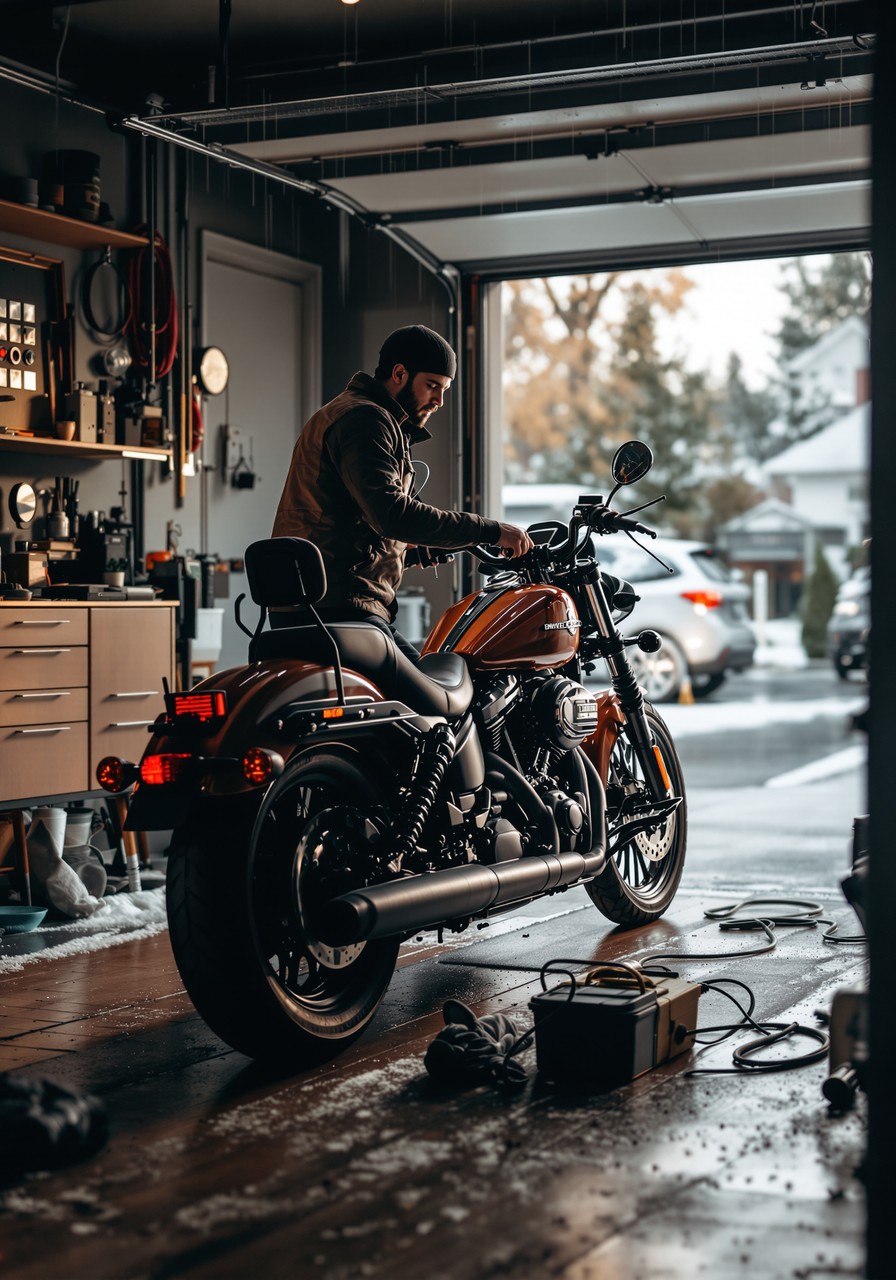
New model season is here and the ADV and touring bikes are loaded with weather tech, heated grips, better wind protection, sharper traction control. Handy features when your commute is a rain forest. #RideNationWA #NewIron #PNWMoto
Safety & WA Law
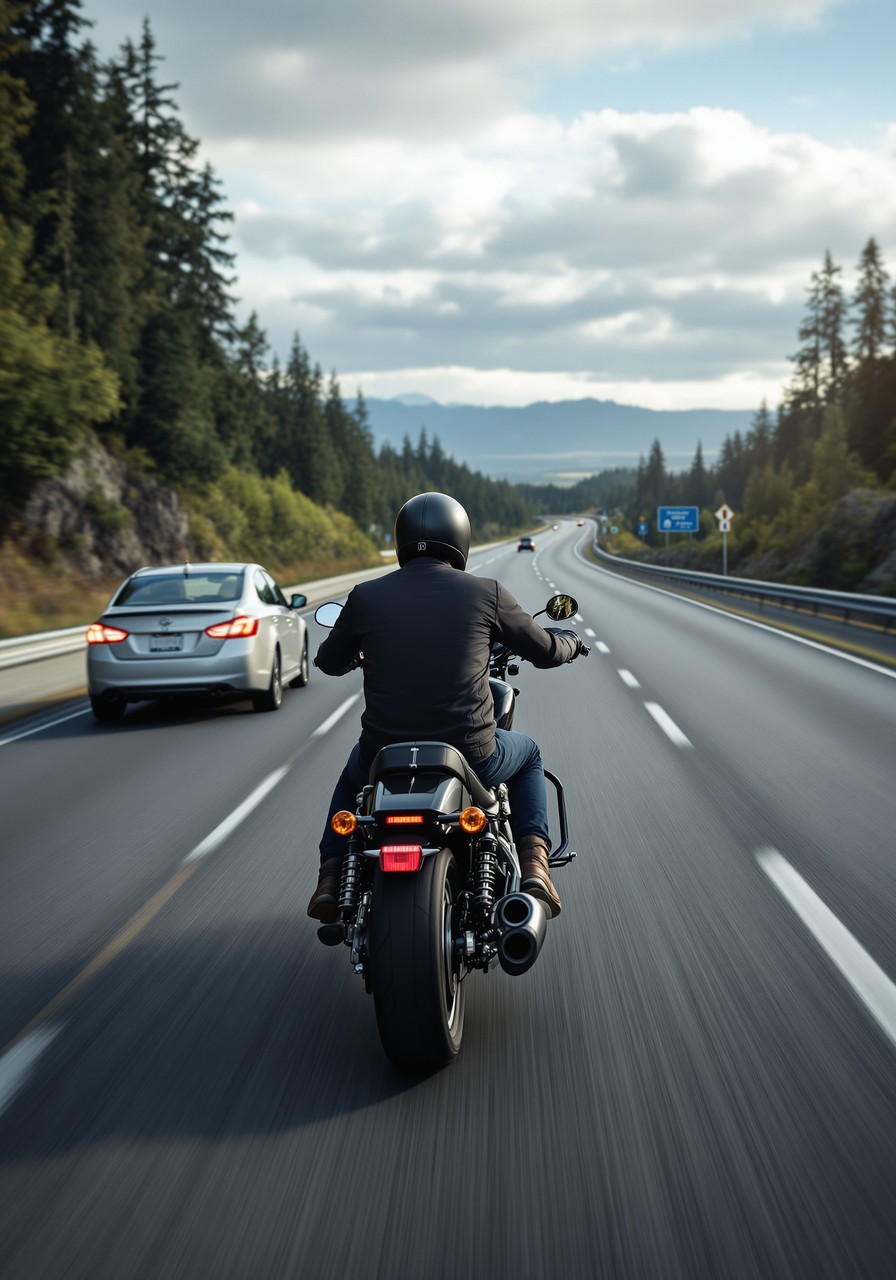
One good rule for every ride: full gear, every time, no shortcut for a quick trip. Most crashes happen close to home. #RideNationWA #ATGATT #MotorcycleSafety
Engagement
Tag the rider you want on the first dry-day group ride of the new year. Round them up now. #RideNationWA #SeattleRiders #PNWMoto
Giveaway & Countdown
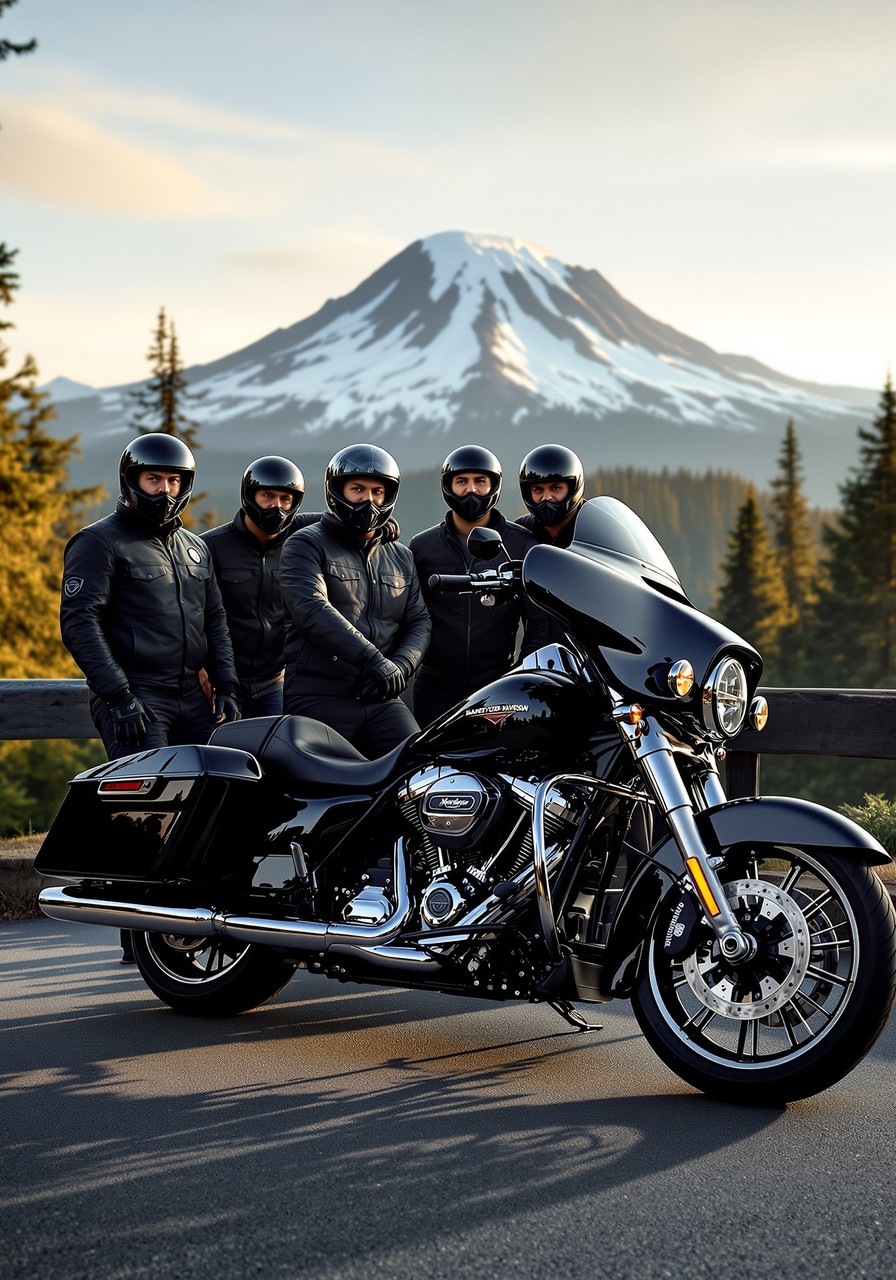
Last call vibes are building, PNW. Make sure you and your crew are entered in the BikersWin giveaway. Questions? Call (833) 388-2453. #RideNationWA #MotorcycleGiveaway #PNWMoto
Local WA & Rides
Garage season is planning season. Map the spring list now: Snoqualmie, Stevens, Chuckanut, and Rainier when the passes finally clear. #RideNationWA #SnoqualmiePass #PNWMoto
Gear & New Iron
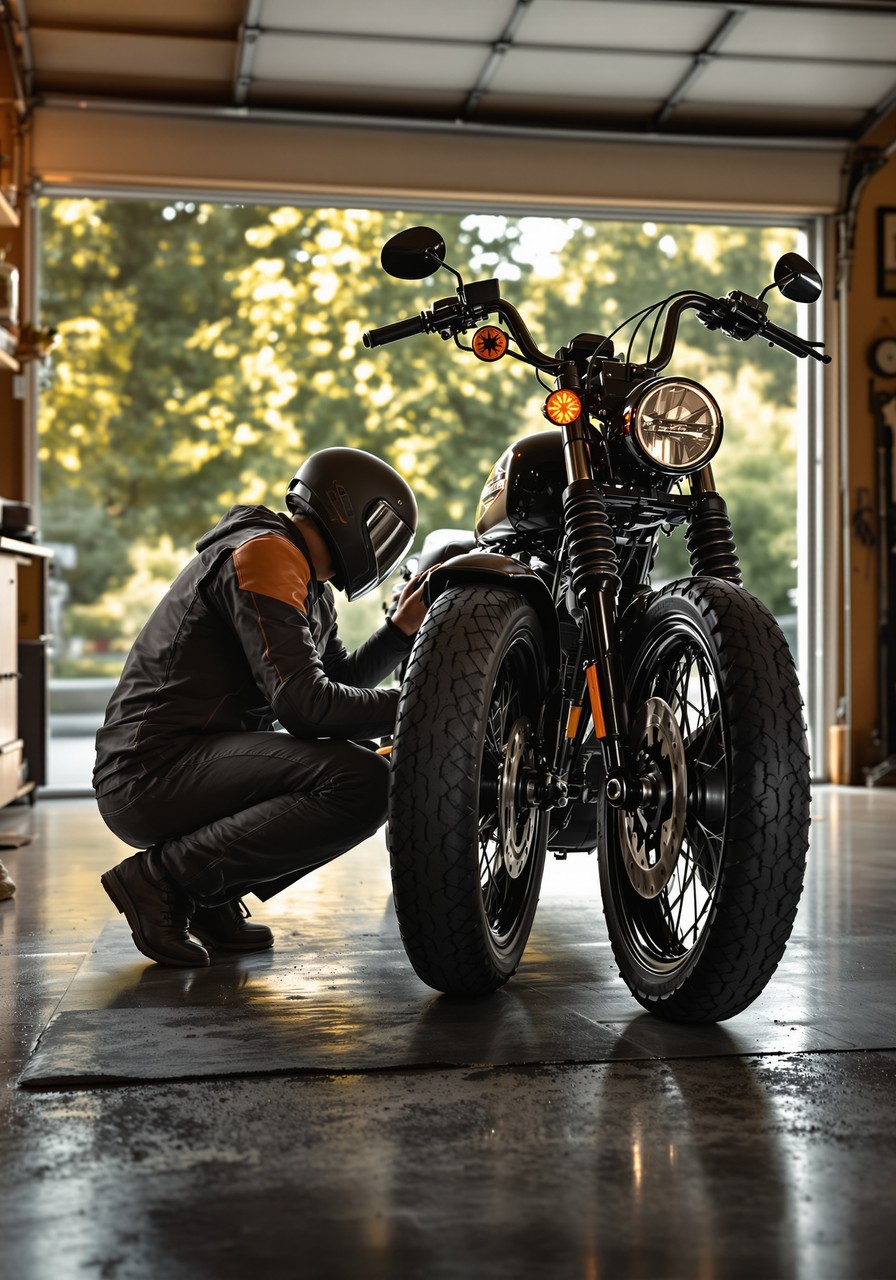
Buying used before spring? Cold checks tell the truth. Look for a fresh chain, tire dates under five years, real brake feel, and a battery that turns it over on the first cold morning. #RideNationWA #NewIron #MotorcycleMaintenance
Safety & WA Law
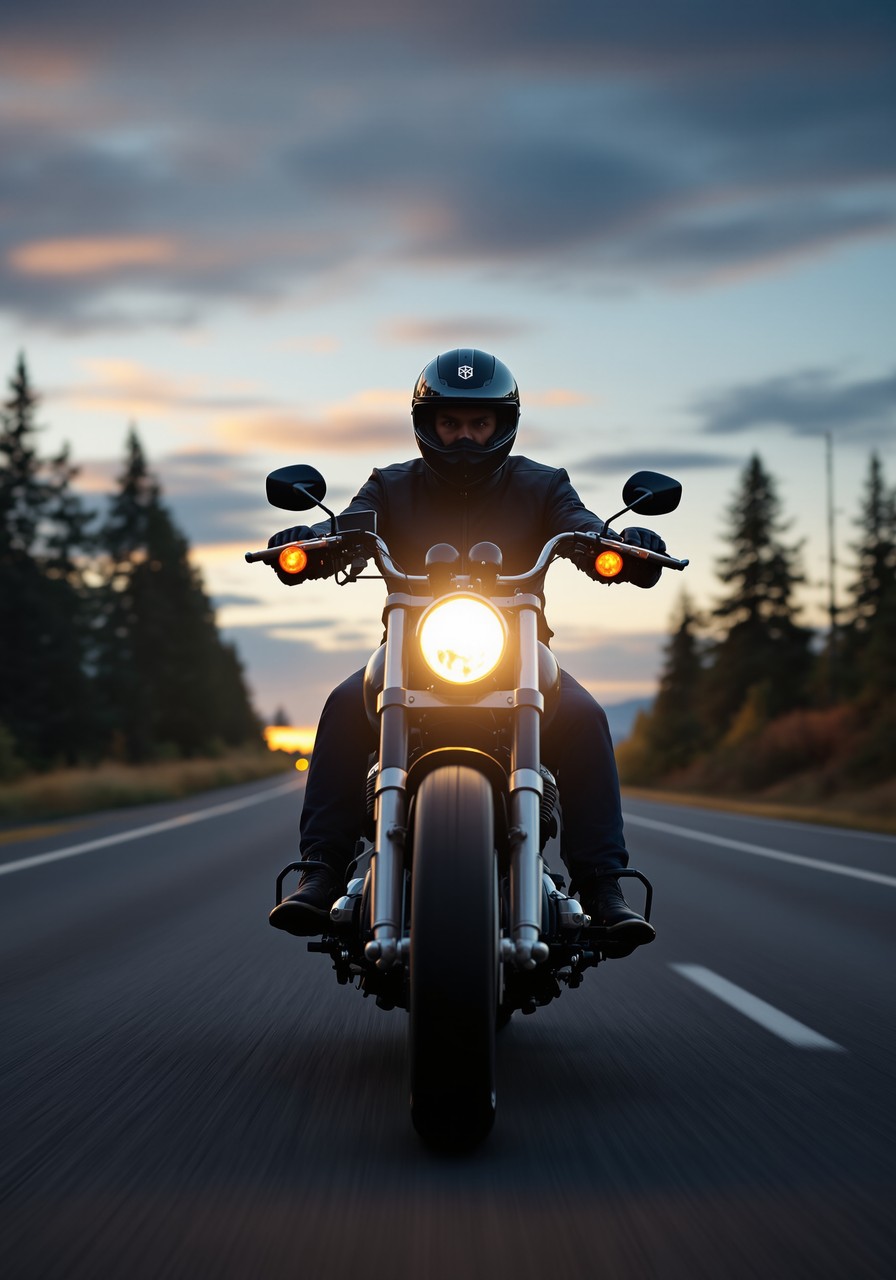
Hurt on your bike and unsure where to start? You have rights under Washington law, a 3 year window, and a phone that reaches real people. Call Washington Injury Law at (833) 388-2453. #RideNationWA #RiderRights #WashingtonRiders